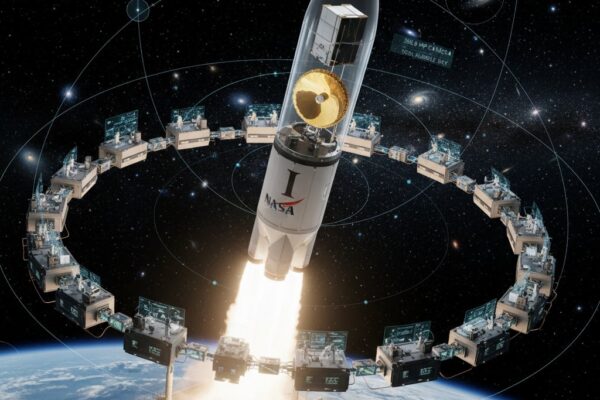
Roman Space Telescope: 8 Months Early, 100x Wider View
NASA’s Roman Space Telescope launches August 30, eight months ahead of schedule. Its 300.8-megapixel camera captures 100 times more sky than Hubble in one shot.






NASA’s Roman Space Telescope launches August 30, eight months ahead of schedule. Its 300.8-megapixel camera captures 100 times more sky than Hubble in one shot.
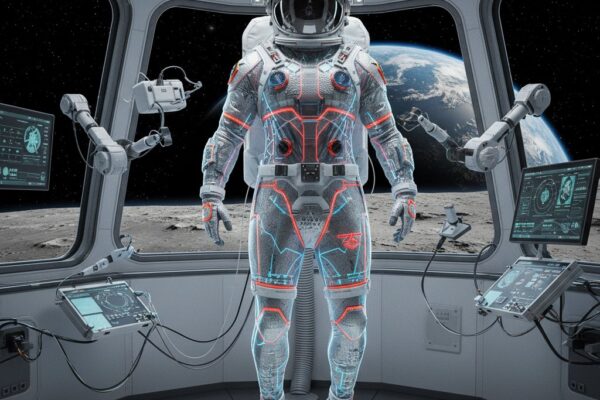
NASA’s Artemis astronauts will wear high-tech Prada-designed long johns under their spacesuits. The liquid-cooled garment blends Italian craftsmanship with cutting-edge thermal regulation for the Moon.
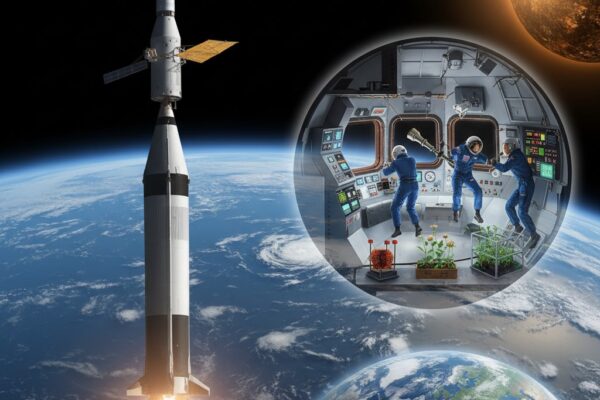
On May 14, 1973, Skylab launched as America’s first space station. Learn how its science, repairs, and crews shaped modern spaceflight and Earth observation.
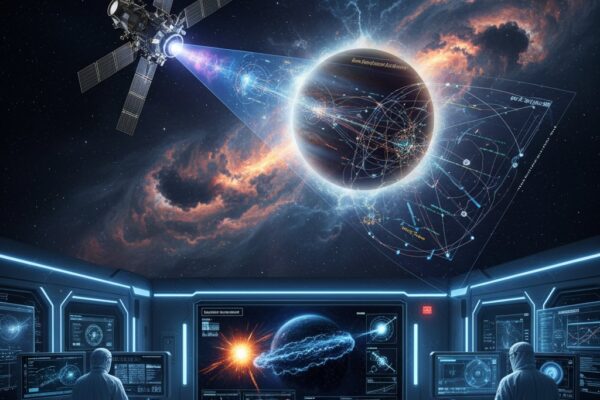
NASA’s Juno mission reveals Jupiter’s magnetic field accelerates particles, providing surprising new insights into the origins of high-energy cosmic rays that bombard Earth.
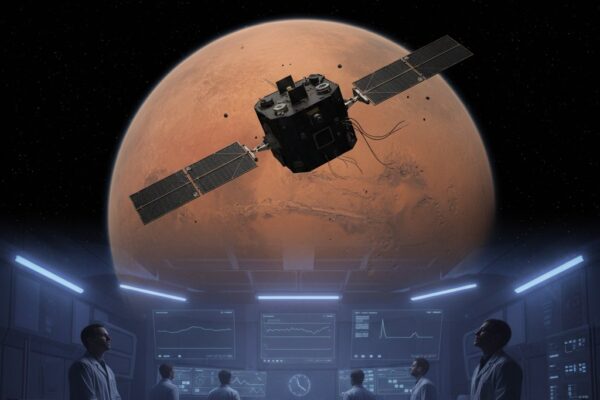
After six months of radio silence, NASA declares its Mars MAVEN spacecraft officially dead. The orbiter unlocked secrets of Mars’ atmosphere loss but succumbed to a star tracker failure.
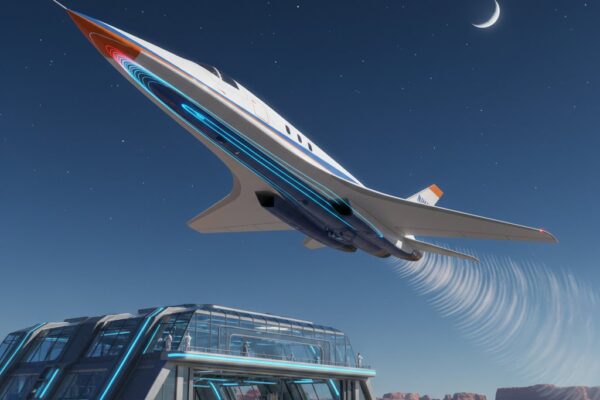
NASA’s X-59 QueSST is set to fly faster than sound for the first time, aiming to turn sonic booms into quiet thumps and revolutionize supersonic travel.
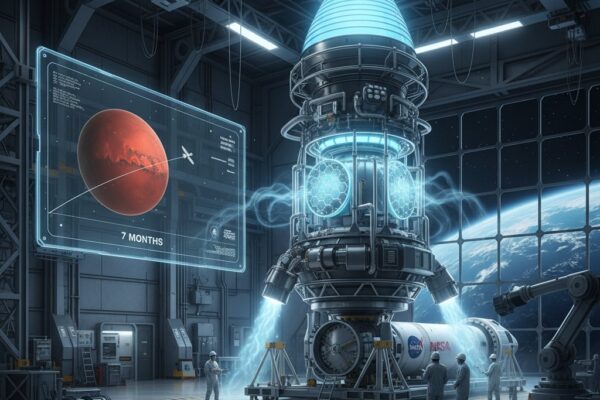
NASA invests $45M in nuclear thermal propulsion to cut Mars journey times by half, reducing astronaut radiation risks. Experts weigh in on the technology and timeline.
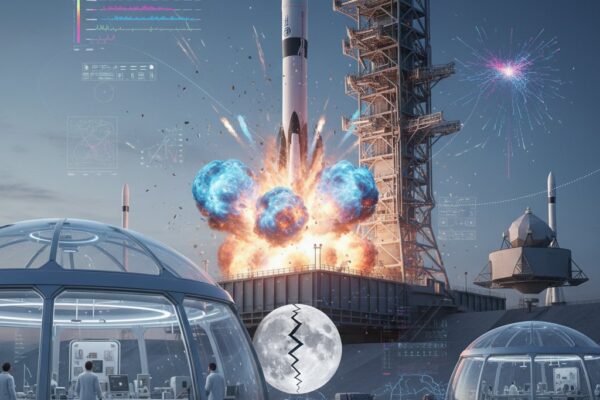
A Blue Origin New Glenn rocket explodes on the launchpad at Cape Canaveral, threatening NASA’s Artemis program timeline. Experts weigh in on delays, costs, and the future of lunar exploration.
A former Blue Origin engineer reveals the internal challenges and cultural tensions behind New Shepard’s return to flight after the 2022 anomaly, offering rare insight into the space giant’s future.
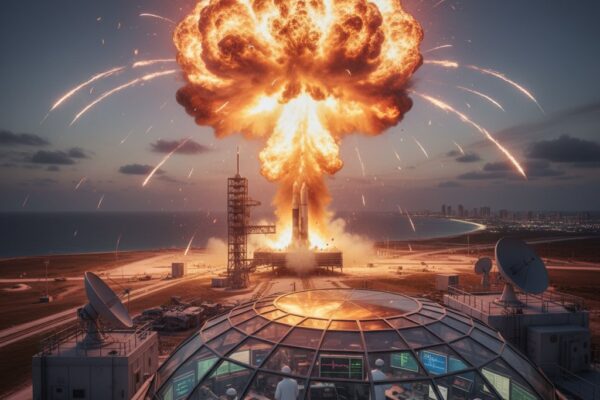
NASA’s Launch Abort System test at Cape Canaveral produces a thunderous boom—validating a critical safety system for the Artemis II Moon mission.
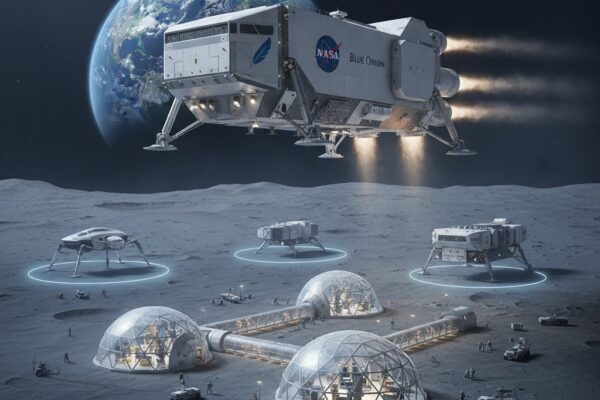
NASA selects Blue Origin for three uncrewed 2025 lunar missions, laying groundwork for a $20 billion moon base. Learn how these landings will enable sustained human presence.