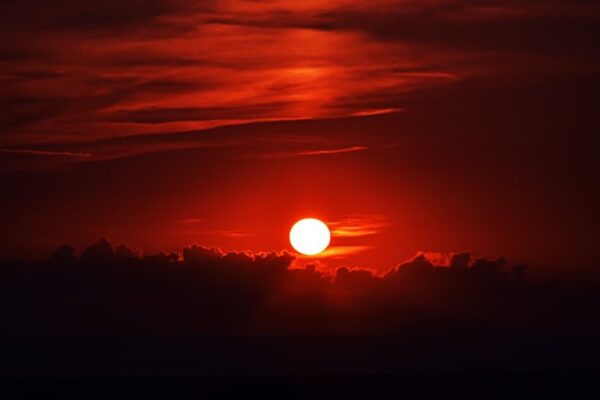
Why Your Sun Looks Red: Wildfire Smoke Science You Can See
Why wildfire smoke turns the sun red at midday—and what that tells you about air quality, fire season trends, and your health. Science you can see.






Why wildfire smoke turns the sun red at midday—and what that tells you about air quality, fire season trends, and your health. Science you can see.
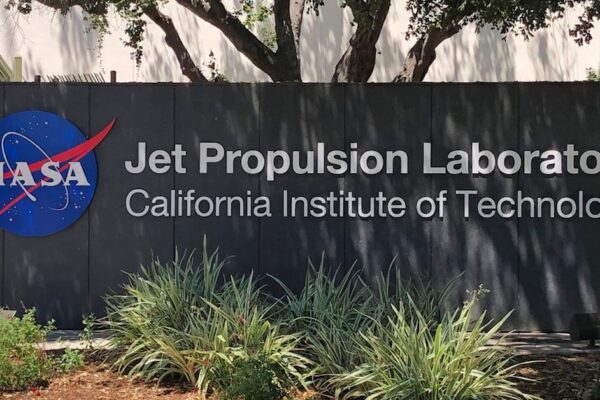
NASA’s 2026 NIAC awards fund radical propulsion concepts, including a pulsed plasma rocket that could cut Mars travel time to 45 days. Analysis of the 18 Phase I winners and what they mean for space exploration.

A County Tyrone volunteer group reports real progress eradicating giant hogweed, the UK’s most dangerous plant. What this means for public safety and wild spaces.
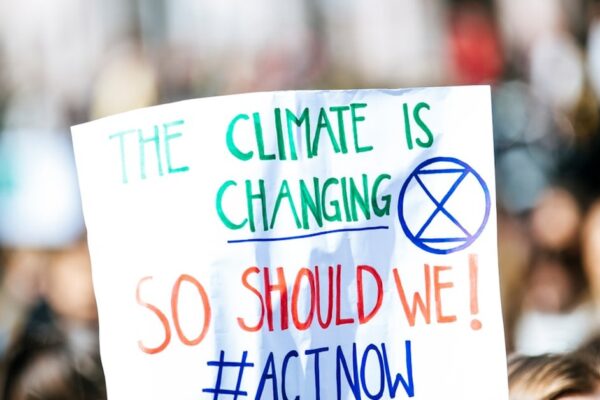
Antarctic guides are quitting dream jobs over the climate contradiction of cruise tourism. This analysis reveals the moral toll and what it means for travelers.
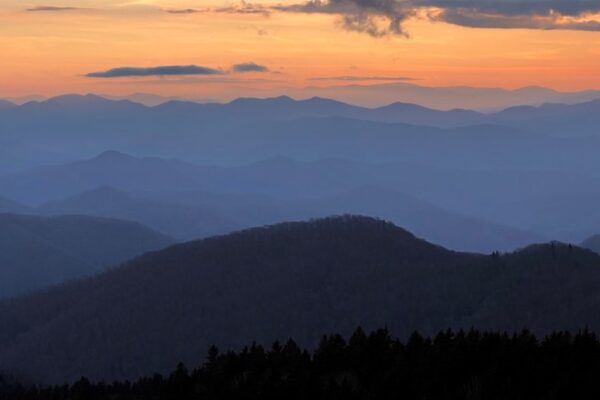
The smoky skies across North America in July 2026 weren’t just an air quality event. Brown carbon, a complex pollutant from wildfires, changed the rules—and the risks.
Maine’s coastline splits dramatically at Portland: sandy beaches to the west, rocky cliffs to the east. Geology and sediment distribution explain the contrast and shape coastal hazards.

Wales’ controversial Sustainable Farming Scheme finally launches with £1B budget after years of protests and delays. Here’s what it means for farmers and the environment.
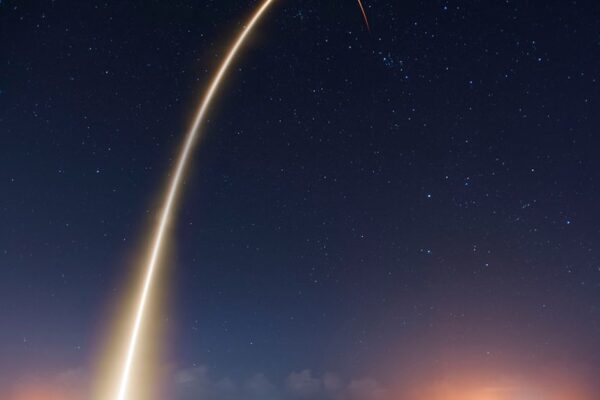
Skyroot Aerospace’s Vikram-1 rocket launched on Saturday, carrying synthetic diamonds and a microsatellite. The flight marks India’s first private rocket and a shift toward commercial space access.
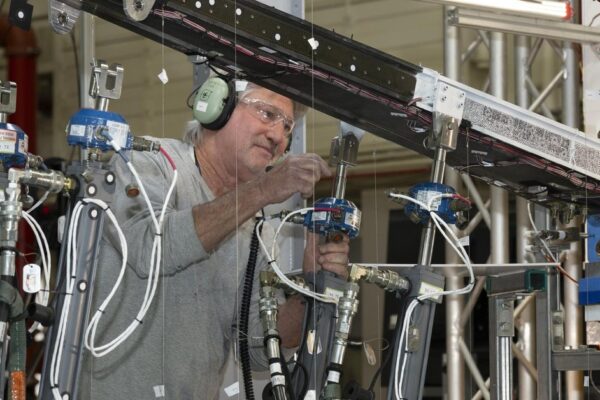
NASA’s new thin, lightweight wing design built with a truss-braced structure survived brutal stress tests far beyond design limits, promising fuel-efficient, quieter planes.
NASA opens media accreditation for the Nancy Grace Roman Space Telescope launch on May 5, 2025. The wide-field observatory will study dark energy and exoplanets.
The Bijagós archipelago in Guinea-Bissau is a tide-fueled biodiversity hotspot for migratory shorebirds and sea turtles, but rising seas threaten its fragile ecosystems. New research reveals why it matters globally.
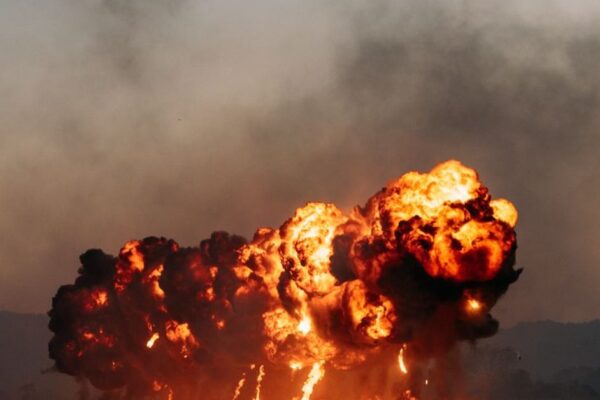
The American Meteor Society reports a surge in bright fireballs and sonic booms across the US in 2026. We explore the science behind the uptick and why there’s no cause for alarm.