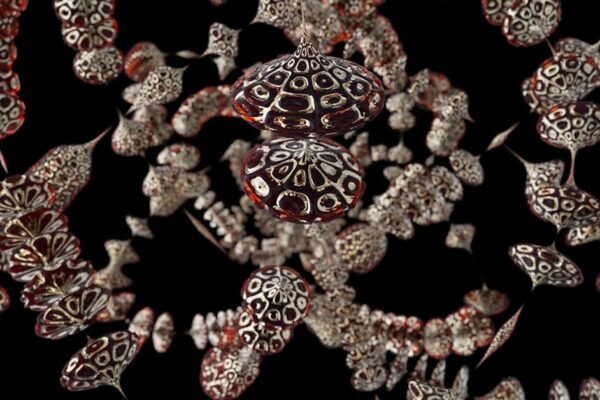
Ancient Smallpox Was Less Deadly? New Chile Mummies Rewrite History
New DNA from 500-year-old Chilean mummies suggests ancient smallpox was milder than the modern killer. How the virus evolved to become a global scourge.









New DNA from 500-year-old Chilean mummies suggests ancient smallpox was milder than the modern killer. How the virus evolved to become a global scourge.
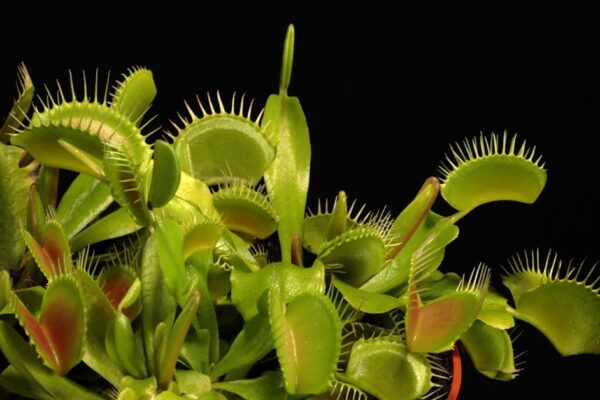
A County Tyrone volunteer group reports real progress eradicating giant hogweed, the UK’s most dangerous plant. What this means for public safety and wild spaces.
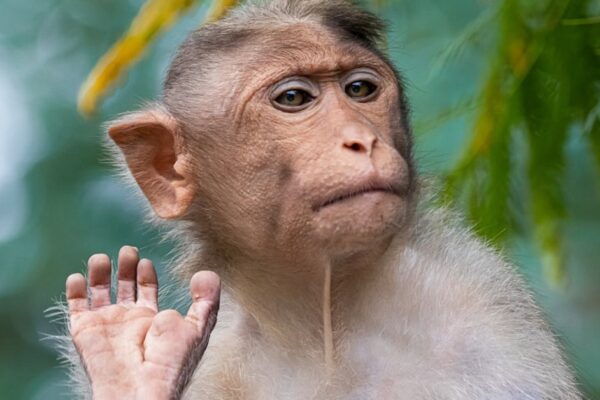
New research shows rhesus macaques categorize shapes like circles and squares using the same mental rules as humans, challenging our sense of cognitive uniqueness.
The Bijagós archipelago in Guinea-Bissau is a tide-fueled biodiversity hotspot for migratory shorebirds and sea turtles, but rising seas threaten its fragile ecosystems. New research reveals why it matters globally.

How cannabis cultivar and post-harvest methods like drying and curing shape aroma. High-resolution chromatography reveals why some strains smell fruity, others diesel, and how to preserve terpenes.
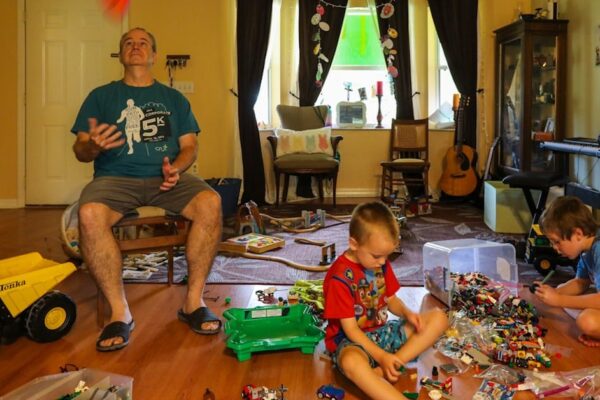
The debate over facilitated communication and spelling to communicate for nonspeaking autistic children pits family hope against science. What does the evidence say about hidden cognitive abilities?
Stanley Gartler, who proved tumors are monoclonal and exposed HeLa contamination of cell lines, dies at 102. His work reshaped cancer biology and lab standards.
Scientists discovered living yeast in the gut of 5,300-year-old mummy Ötzi the Iceman and used it to bake sourdough bread. Here’s how.

Scientists engineered wheat with giant starch granules. The breakthrough promises healthier foods, easier digestibility, and a clean boom for biodegradable plastics.
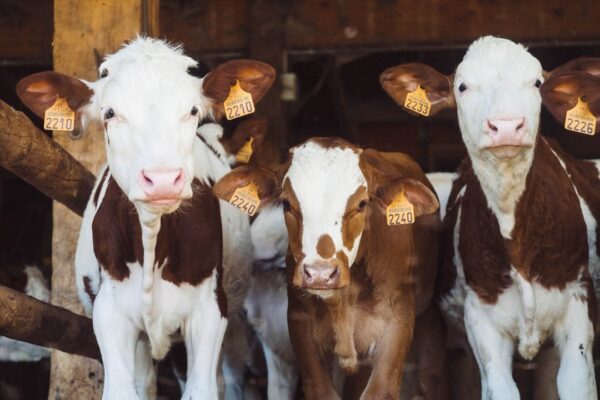
A University of Bonn study shows simple posters with animal welfare labels and small discounts can boost ethical grocery purchases by up to 24%.
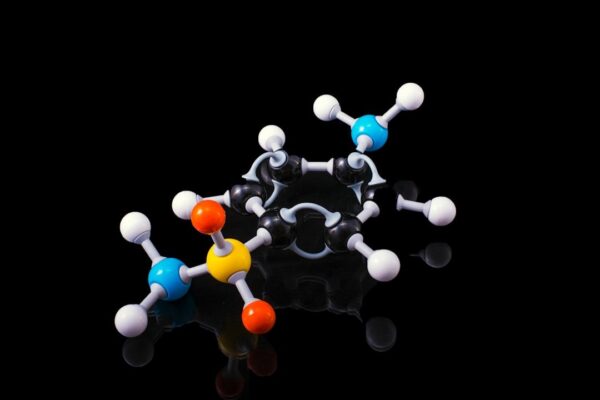
Chinese researchers develop PRINCE and Little Prince, dual small-molecule switches that give on-demand control over CRISPR gene editing in living tissues — a potential game-changer for safety.
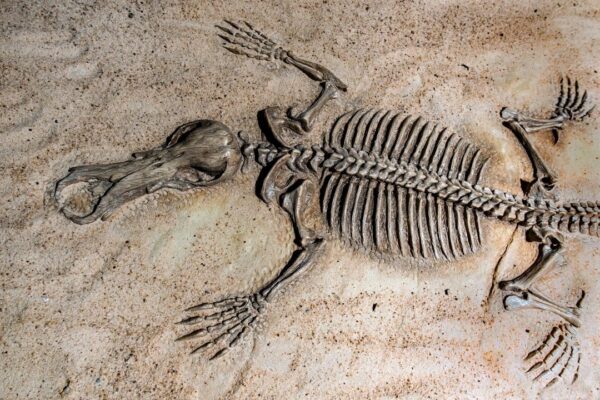
Rediscovered megalodon vertebrae reveal growth rings, warm-bloodedness, and giant pups. A lost fossil from Belgium is rewriting the life story of the prehistoric shark.