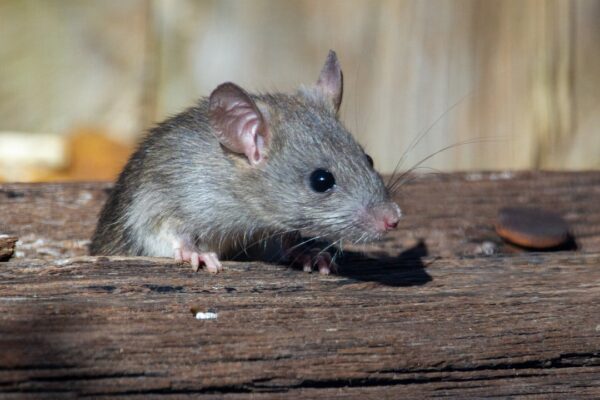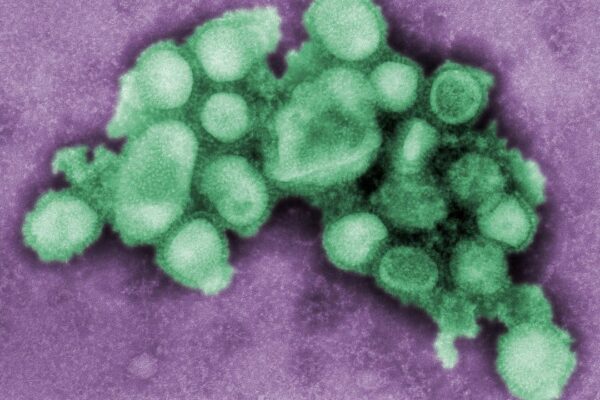







Hantaviruses: Ancient Rodent Partners Explain Silent Spread
Hantaviruses co-evolved with rodents for 25 million years. Learn how these silent carriers spread without symptoms, and why they turn deadly in humans.
New study confirms cat fleas in South Texas carry Rickettsia typhi, the bacteria behind murine typhus. Researchers link rising human cases to feline reservoirs.
Many students study with music, but science shows it doesn’t always help. Learn when music boosts focus—and when it hurts—with expert insights and practical tips.
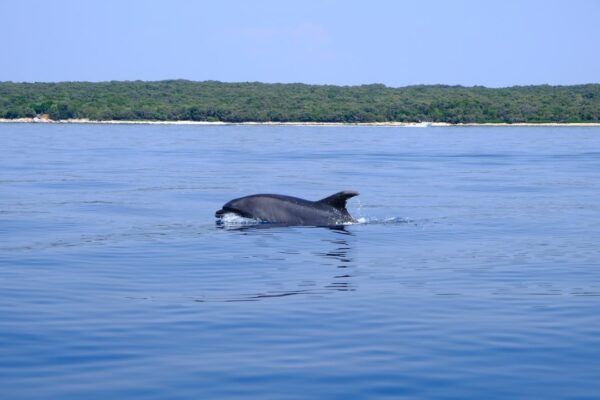
Bottlenose dolphins in the Adriatic Sea now rely on trawlers for food due to decades of bottom trawling. Scientists warn this dependency threatens their survival and signals ecosystem collapse.
The WHO declares the MV Hondius hantavirus outbreak over after three deaths and a global health alert. Learn how the virus spread, the investigation, and what it means for future travel.
SpudCell, a lab-made cell-like structure that grows, divides, and competes, is challenging the definition of life. Scientists react to its implications for synthetic biology, ethics, and future technologies.
The Rosalia longhorn beetle, a brilliant blue saproxylic insect, faces extinction across Europe due to dead wood removal and climate change. Can conservation save it?
Quiet hikes and silent outdoor activities are linked to more dangerous wildlife encounters. Experts explain why silence surprises animals and how parks are adapting safety advice.
The Trump administration’s ban on synthetic kratom looks like a win for public safety, but critics say it’s a lucrative gift to natural kratom companies that lobbied for it. Inside the political deal.
SpudCell, a synthetic cell with most hallmarks of life, blurs the line between chemistry and biology. Learn why it was built, whether it’s alive, and what comes next.
Female mountain chickadees stay loyal to their mates—unless a smarter male comes along. New research reveals how cognition drives infidelity in these tiny birds, with implications for evolution and conservation.
The NIH’s All of Us program launches the world’s largest integrated health database, pairing 500,000 genomes with clinical records and wearable data to revolutionize precision medicine.