
Lost Megalodon Vertebrae Resurface, Confirming 80-Foot Size Estimate
Lost megalodon vertebrae rediscovered in a Danish museum confirm the extinct shark reached 80 feet. New analysis reveals growth, age, and lifestyle insights.









Lost megalodon vertebrae rediscovered in a Danish museum confirm the extinct shark reached 80 feet. New analysis reveals growth, age, and lifestyle insights.

A 27,500-year-old bear attack victim in Italy reveals Paleolithic mourning rituals: red ochre, fox-teeth headdress, and deliberate wound covering, proving grief is ancient.

A new study reveals that the sequence in which species disappear from grasslands dramatically alters ecosystem stability, with major implications for conservation and climate resilience.

New King’s College London study finds invasive plants succeed because of ancient evolutionary traits, not recent adaptation—a discovery with major implications for climate change and biosecurity.

University of Alberta researchers engineered a human-derived peptide, D-GK, that kills superbugs in preclinical tests. Could this be a new weapon against antimicrobial resistance?
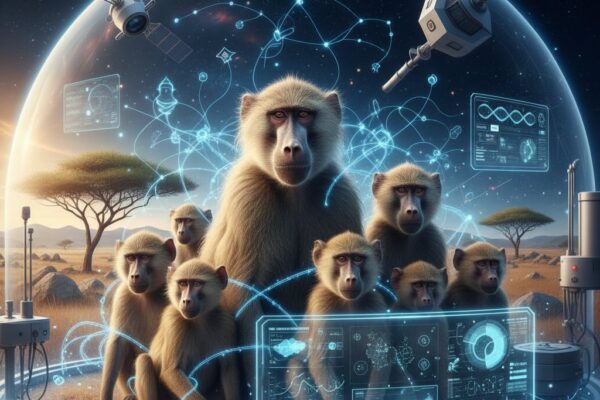
New research reveals how female baboons build strong family bonds that reduce stress, extend lifespan, and shape primate evolution. Insights from 30 years of Amboseli data.

Two humpback whales stunned scientists by swimming from Brazil to Australia—a record-breaking 13,000 km journey. Here’s why it matters for conservation.

Meet the ballista spider, a newly discovered arachnid that uses a spring-loaded silk trap to snare ants. Learn how this Roman-inspired weapon works and what it means for science.

Analyze the science behind the drama of Vanderpump Rules—how social dynamics, loyalty, and group conflict unfold in reality TV’s biggest scandal, the Scandoval.
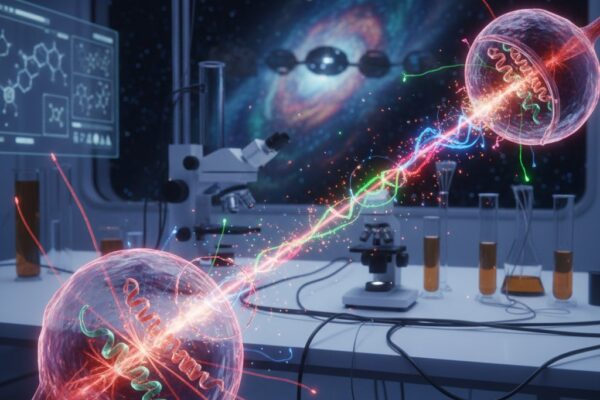
Scientists reveal the atomic structures of human cone opsins, solving a 50-year mystery of color vision. The breakthrough explains how we see red, green, and blue, with implications for treating color blindness.

New study reveals pandemic A-level grade inflation boosted private school applicants most, but disadvantaged students also gained. Long-term effects could reshape university admissions.
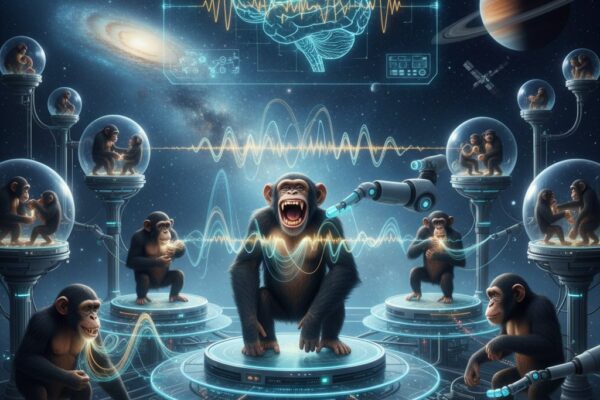
A new study reveals that tickled great apes, including chimps and gorillas, share a universal laughter rhythm with humans, shedding light on the ancient evolutionary roots of laughter.