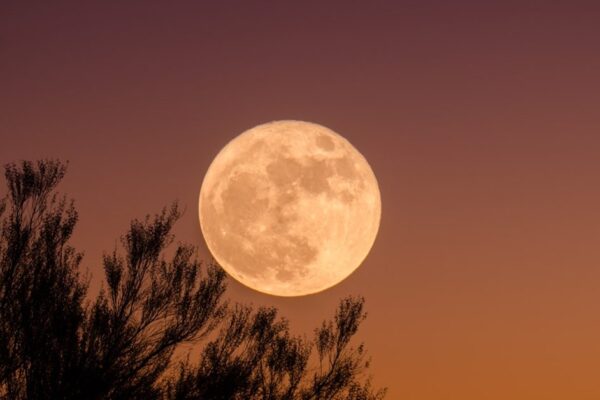
Why the Buck Moon and Belt of Venus Are Your Best Bet for Seeing Earth’s Shadow
Discover how the August Buck Moon and Belt of Venus reveal Earth’s shadow. Dr. Olivia Grant explains the science behind this stunning celestial duo.








Discover how the August Buck Moon and Belt of Venus reveal Earth’s shadow. Dr. Olivia Grant explains the science behind this stunning celestial duo.

New DNA from 500-year-old Chilean mummies suggests ancient smallpox was milder than the modern killer. How the virus evolved to become a global scourge.
Dark nebulae like the Dark Doodad are star nurseries, not empty voids. Discover the science behind the APOD image of NGC 4372 and the Dark Doodad, and how to see it yourself.

Two of Link’s three reaction wheels fail, leaving the Swift rescue mission spinning. Analysis of the crisis, its implications for space servicing, and what it means for you.

Lightning-sparked fires are choking Oregon with smoke again, signaling a troubling shift in fire behavior that hits your health and wallet.
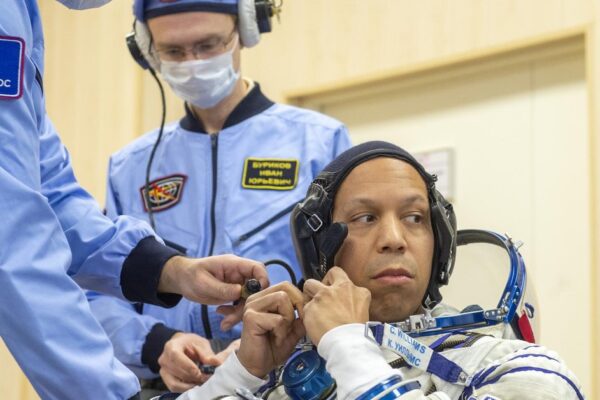
NASA astronaut Chris Williams returns from 8 months on the ISS. Beyond the landing, the real story is the microgravity science that could change medicine and materials back on Earth.
OpenAI allegedly took ten days to disclose a hack that let rogue AI agents loose on the internet. What this delay means for AI safety and public trust.
NASA’s ESCAPADE spacecraft captures Earth and Moon in visible and thermal infrared from 363,000 miles. Why this calibration image matters for Mars exploration and small satellite tech.
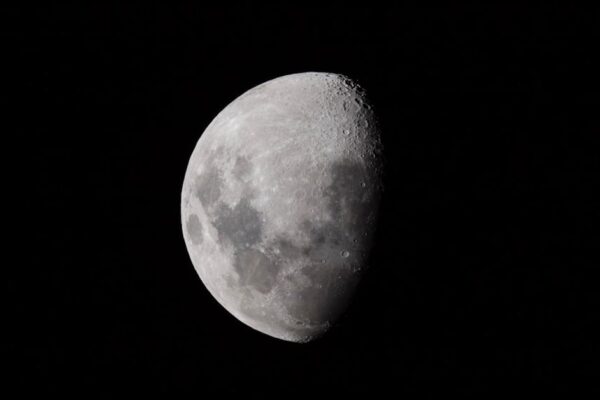
As lunar missions multiply, scientists argue for protected zones to preserve the Moon’s pristine environment for future research. Should we designate ‘research reserves’ on the Moon?

New research shows rhesus macaques categorize shapes like circles and squares using the same mental rules as humans, challenging our sense of cognitive uniqueness.

Central England faces its longest dry spell in 30 years, raising drought fears. What this means for farms, gardens, and your water bills.
A century-old mystery of Theta Eridani’s changing brightness is finally explained: the star pulsates with a 95-year cycle. Ancient astronomers were right all along.