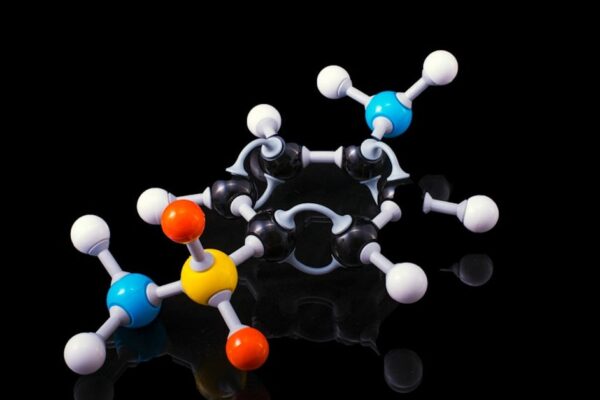
Student’s Chemical Safety Model Spots Everyday Exposure Risks
Georgia Tech student Diya Godavarti built a simple chemical safety model that predicts exposure risks from everyday spills. The tool could empower workers and level the playing field.







Georgia Tech student Diya Godavarti built a simple chemical safety model that predicts exposure risks from everyday spills. The tool could empower workers and level the playing field.

New Cambridge research finds audience travel causes most mega-event emissions. Discounted tickets for local fans could cut carbon and make events more equitable.
Wildfire smoke from massive Ontario fires is sweeping east, choking cities from Toronto to New York. Air quality plummets as a 2,500 km plume brings dangerous PM2.5 levels.
We stress-tested Grok 4.5 and GPT-5.6 across 200 questions to see which model hallucinates more. Results show a clear winner—and a warning for users.
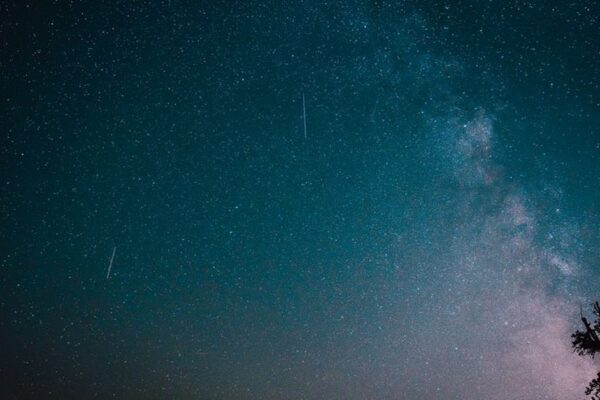
South Carolina residents reported an earthquake, but it was actually a meteor sonic boom. Here’s how experts tell them apart and what it means for 2026.

A heat dome shattered temperature records across Montana, Utah, and Wyoming on July 12, 2026. Learn what caused it, the human and economic costs, and what it means for our warming world.

Sediment fans on Russia’s Severny Island reveal millennia of Arctic climate history. These frozen time capsules show warming patterns that link to extreme weather worldwide.
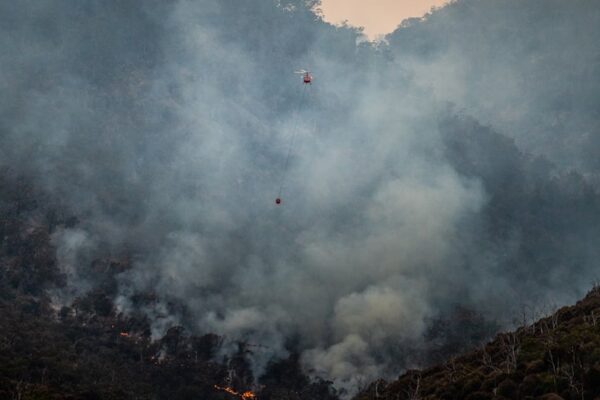
For the first time, firefighting planes from southern France have been deployed to battle wildfires of exceptional scale near Paris, signaling a worrying shift in fire risk due to climate change.

China evacuates nearly 2 million as a powerful typhoon makes landfall in Zhejiang. Schools, transport suspended. Learn about the storm’s rapid intensification and climate links.
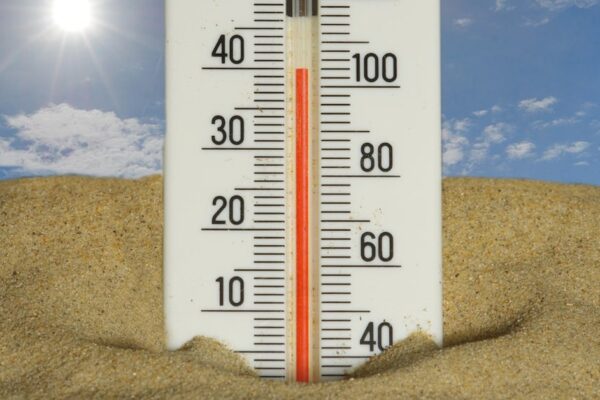
A weekend cooldown offers brief relief, but the record-breaking heatwave gripping the UK and Europe will intensify again next week. Climate scientists explain why.
NASA’s 2025 ECF Awards fund three researchers building autonomous spacecraft navigation, AI planning, and plasma diagnostics for safer deep space exploration.

Astronomers using ALMA have captured the first direct observation of gas drifting inward within a prestellar core—the slow motion that signals the birth of a new star. This cosmic ‘drift’ rewrites our understanding of star formation.