
The Rosalia Beetle: Europe’s Sapphire-Colored Jewel Fights for Survival
The Rosalia longhorn beetle, a brilliant blue saproxylic insect, faces extinction across Europe due to dead wood removal and climate change. Can conservation save it?


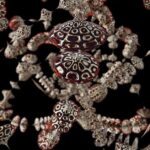






The Rosalia longhorn beetle, a brilliant blue saproxylic insect, faces extinction across Europe due to dead wood removal and climate change. Can conservation save it?
How toxic dust from California’s shrinking Salton Sea is triggering asthma and lung disease in children—and what families are doing to survive.

The Trump administration’s ban on synthetic kratom looks like a win for public safety, but critics say it’s a lucrative gift to natural kratom companies that lobbied for it. Inside the political deal.
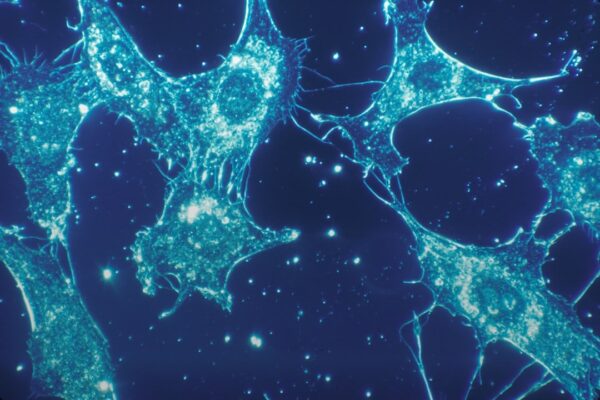
SpudCell, a synthetic cell with most hallmarks of life, blurs the line between chemistry and biology. Learn why it was built, whether it’s alive, and what comes next.

NASA’s James Webb Space Telescope reveals how a Jupiter-like planet survived its star’s death, migrated to a tight orbit around a white dwarf, and what this means for Earth’s future.

July 2026 skywatching tips from NASA: a predawn planetary meetup, returning Comet 13P/Olbers, prime Milky Way views, and Saturn’s rings at a new angle. No telescope required for most events.

NASA’s TESS mission has discovered a super-Jupiter planet using relativistic beaming for the first time, opening a new method to find distant worlds hidden from traditional transit searches.

NASA announced three robotic moon missions to scout water ice, test 3D printing, and shield radiation for a planned 2029 lunar base.
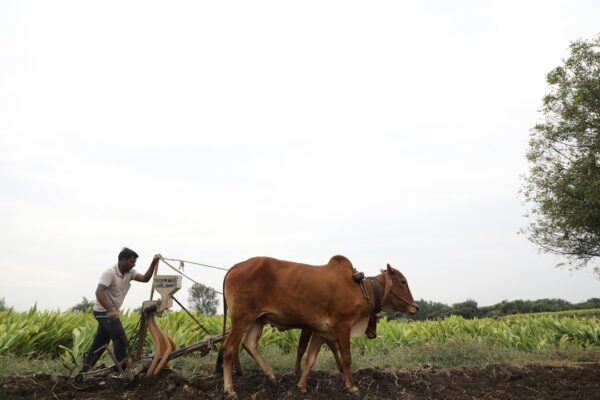
India recorded its driest June in a decade, threatening kharif crops like rice and soybeans. The government says grain stockpiles are adequate to prevent shortages.
The Vera C. Rubin Observatory begins its 10-year survey of the southern sky, promising unprecedented discoveries in asteroids, dark matter, and supernovae. All data will be public.

Healthy but sedentary people show a coordinated drop in muscle mitochondrial function that may silently precede cancer, diabetes, and Alzheimer’s. Research reveals how to reverse it.
A massive sibling study of over 120,000 children finds no link between prenatal paracetamol (acetaminophen/Tylenol) use and ADHD or autism, challenging earlier warnings.