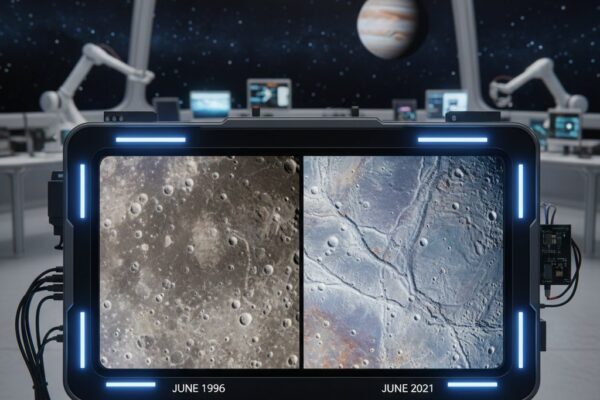
Two Close-Ups of Ganymede, 25 Years Apart, Reveal Stunning Changes
In 1996 and 2021, NASA’s Galileo and Juno spacecraft flew past Ganymede. Comparing these two close-ups reveals surprising changes and clues about Jupiter’s largest moon.









In 1996 and 2021, NASA’s Galileo and Juno spacecraft flew past Ganymede. Comparing these two close-ups reveals surprising changes and clues about Jupiter’s largest moon.
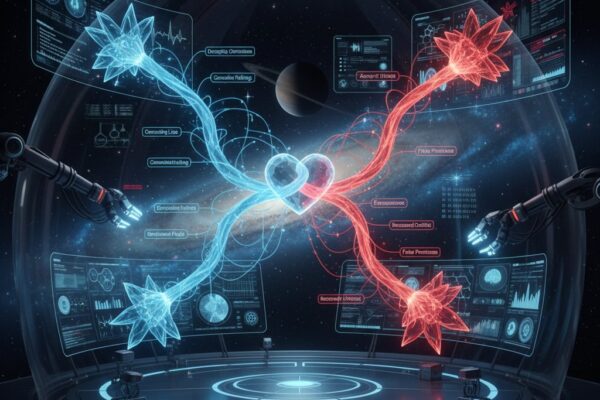
New research from the University of Copenhagen reveals four types of dishonesty in relationships—from white lies to betrayal—and their surprising emotional consequences.

The Large Hadron Collider shuts down Monday for a four-year upgrade to boost collision rates in the hunt for dark matter. Here’s what the HL-LHC means for physics.

The Met Office extends amber heat warning through Saturday as record-breaking UK heatwave nears its end. Cooler weather arrives Sunday. What you need to know to stay safe.

Discover the engineering marvel of China’s tallest building, the CITIC Tower (Zhongguo Zun). How it withstands earthquakes, wind, and redefines skyscraper design.

Two humpback whales stunned scientists by swimming from Brazil to Australia—a record-breaking 13,000 km journey. Here’s why it matters for conservation.

Meet the ballista spider, a newly discovered arachnid that uses a spring-loaded silk trap to snare ants. Learn how this Roman-inspired weapon works and what it means for science.

Analyze the science behind the drama of Vanderpump Rules—how social dynamics, loyalty, and group conflict unfold in reality TV’s biggest scandal, the Scandoval.

ESA’s Euclid mission releases a stunning new image of the Milky Way’s core, revealing millions of stars and setting the stage for NASA’s Roman Space Telescope.

NASA tests a new orbital refueling nozzle that could let spacecraft fill up in space, cutting launch costs and enabling longer missions to the Moon, Mars, and beyond.
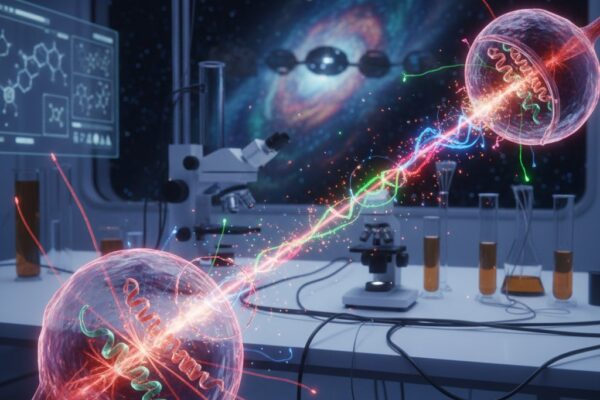
Scientists reveal the atomic structures of human cone opsins, solving a 50-year mystery of color vision. The breakthrough explains how we see red, green, and blue, with implications for treating color blindness.
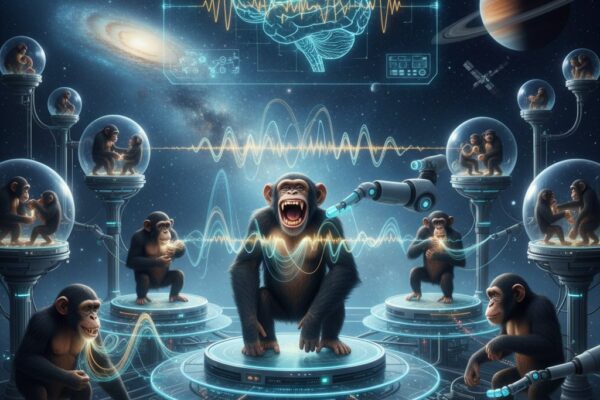
A new study reveals that tickled great apes, including chimps and gorillas, share a universal laughter rhythm with humans, shedding light on the ancient evolutionary roots of laughter.