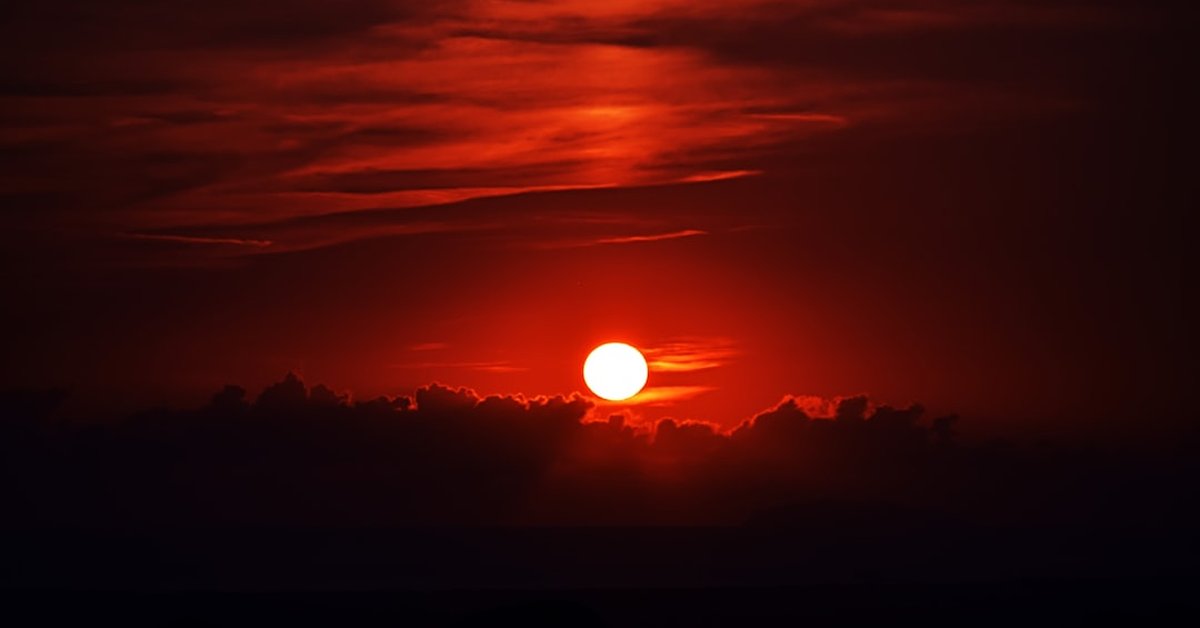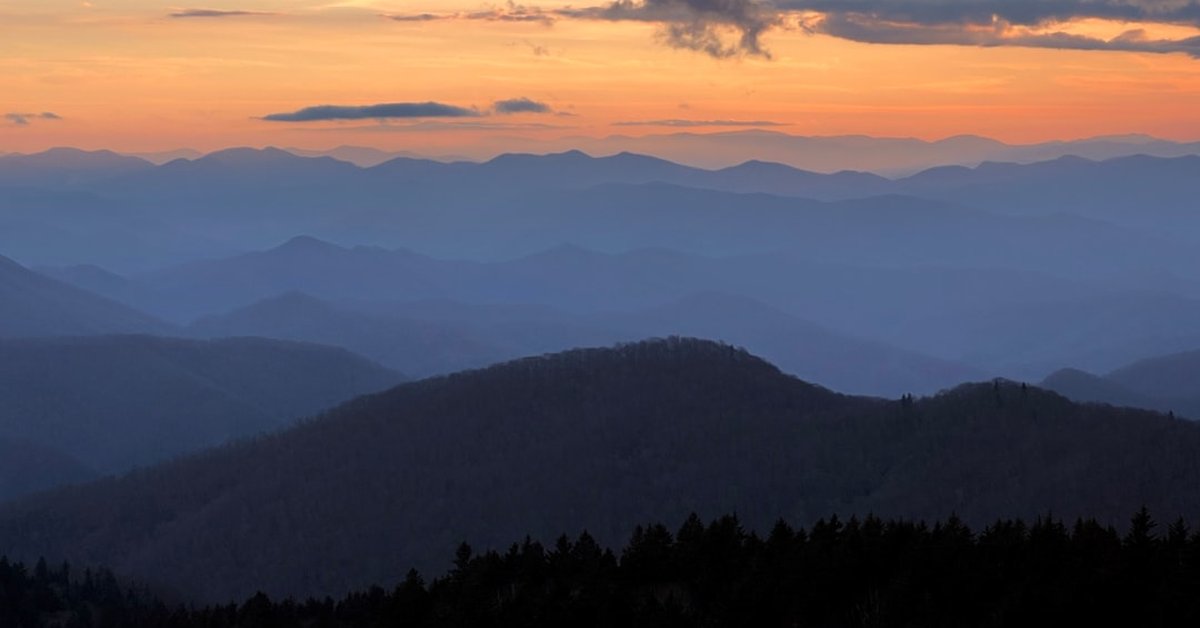

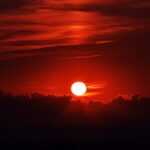




If you’ve stepped outside in central or eastern Oregon this week and felt like you were walking through a sepia-toned photograph, you’re not imagining things. Lightning storms over the past 48 hours have ignited dozens of fires across the region, and the smoke is now settling over communities from Bend to Pendleton. The sky isn’t just hazy — it’s orange. And that means more than a bad Instagram filter. It means your lungs are taking a hit, your weekend plans might evaporate, and your wallet could feel the pinch long after the flames are out.
This isn’t 2020 all over again — but it’s close. And that’s exactly why we need to pay attention.
The Spark: Lightning and Fuel
The recipe for these fires is simple, and terrifyingly predictable. A dry thunderstorm rolls in — lots of lightning, almost no rain. The bolts hit dry grass, parched pine needles, and beetle-killed timber. Within hours, what was a wisp of smoke becomes a wall of flame. According to the Oregon Department of Forestry, at least 17 new fires were reported on Wednesday alone, with the largest — the Lick Creek Fire near the Malheur National Forest — already ballooning past 2,500 acres by Thursday morning.
Firefighters are stretched thin. The National Interagency Fire Center reports that the Northwest is currently at Preparedness Level 4, one step below the maximum. That means resources are being pulled from other states, and local crews are working 16-hour shifts. It’s a familiar rhythm for anyone who lived through the 2020 Labor Day fires — the ones that incinerated entire towns like Detroit and Phoenix, Oregon. But this year’s fires are starting earlier, and that’s what has experts worried.
“The fuels are critically dry,” the Oregon Department of Forestry noted in a situation report. “And we’re only in mid-July.”
What This Means for Your Lungs
Smoke isn’t just an inconvenience — it’s a health emergency. Fine particulate matter, known as PM2.5, is small enough to slip past your body’s defenses and lodge deep in your lungs. The Oregon Health Authority has already issued air quality advisories for Deschutes, Grant, Harney, and Lake counties, warning that PM2.5 levels have spiked into the “unhealthy for sensitive groups” range — and in some areas, into “unhealthy” territory.
That means if you have asthma, COPD, or a heart condition, you should be staying indoors with windows sealed. So should kids, whose lungs are still developing. But here’s the thing: even healthy adults feel the effects after a few days. Headaches, scratchy throats, burning eyes — that’s your body reacting to microscopic ash and chemical compounds. The Environmental Protection Agency’s AirNow site shows that smoke plumes are drifting as far west as the Willamette Valley, though concentrations are lower there.
If you can afford a HEPA filter, now’s the time to buy one. If you can’t, the DIY box-fan-and-filter trick actually works — just make sure the filter is rated MERV-13 or higher.
The Economic Toll — Timber, Tourism, and Taxes
Fires don’t just burn trees. They burn money. Oregon’s timber industry, already reeling from decades of decline and beetle outbreaks, faces another blow. The Malheur and Ochoco national forests are prime logging areas; when they burn, sawmills lose supply, and loggers lose wages. Tourism takes the next hit. The Pacific Crest Trail, which snakes through central Oregon, is being rerouted. Summer camps near Bend are canceling sessions. And the smoke is keeping hikers and mountain bikers away — which means empty hotels, empty restaurants, and empty cash registers.
Then there’s the direct cost of firefighting. Oregon spent more than $500 million on wildfire suppression between 2020 and 2023, according to state budget documents. That money has to come from somewhere — usually general funds that could have gone to schools, roads, or healthcare. And as fires become more frequent, those costs are only going up.
There’s also a quieter economic drain: property values. Homes in smoke-prone areas are becoming harder to insure. Some insurers have already stopped writing new policies in high-risk zones. If you’re a homeowner in central Oregon, your premiums might double before you can blink.
Is This the New Normal?
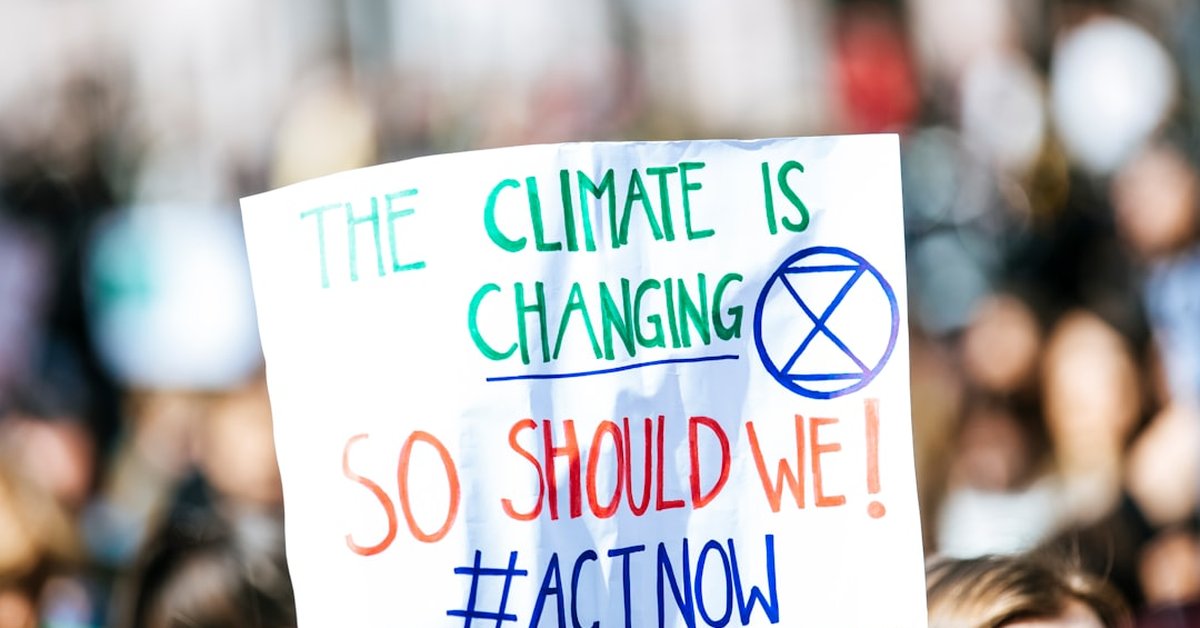
That’s the question everyone’s asking, and the answer, based on climate data, is a grim yes. Lightning-caused fires are increasing in frequency across the western U.S., driven by hotter, drier summers that turn forests into tinderboxes. A 2022 study in Nature Climate Change found that lightning ignitions in the Pacific Northwest have risen by 20% per decade since the 1970s. That’s not a blip — that’s a trend.
And it’s not just Oregon. As reported by QuasarPost, Antarctic guides are quitting dream jobs over what they call a climate ‘farce’ — a stark reminder of how pervasive the crisis has become, from the poles to the Pacific Northwest. The same forces that are melting ice sheets are also drying out conifer forests.
So what can you do? First, stay informed. Sign up for local air quality alerts. Have a go-bag ready — not just for evacuation, but for smoke days. N95 masks are still good to have on hand. And if you can, support organizations pushing for forest management reforms: controlled burns, thinning, and community fire breaks. Because the lightning isn’t going to stop. The question is whether we can learn to live with it — without choking on it.
Frequently Asked Questions
How long will the smoke last?
It depends on wind patterns and whether firefighters can contain the new ignitions quickly. Current forecasts show easterly winds persisting through the weekend, which will keep smoke over central Oregon. If the fires grow, the smoke could linger for weeks.
Is it safe to exercise outdoors?
Not when the Air Quality Index (AQI) is above 150. Even at lower levels, heavy exertion increases the amount of particulate you inhale. Stick to indoor workouts until the AQI drops into the “moderate” range (below 100).
Why are lightning-caused fires getting worse?
Climate change is creating more “dry lightning” — thunderstorms with little rain — and longer warm seasons that dry out vegetation. This combination means that when lightning strikes, it’s more likely to start a fire that spreads rapidly.