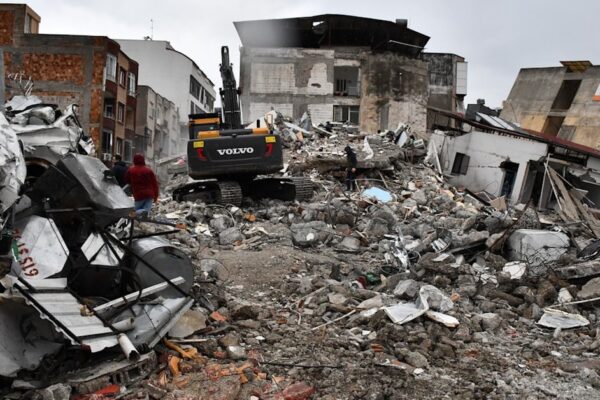
Venezuela’s Shifting Ground: NISAR Reveals Hidden Damage
NISAR satellite radar reveals up to 6 cm of ground displacement in Venezuela after June 2026 earthquakes. How the data is reshaping recovery and seismic hazard maps.










NISAR satellite radar reveals up to 6 cm of ground displacement in Venezuela after June 2026 earthquakes. How the data is reshaping recovery and seismic hazard maps.
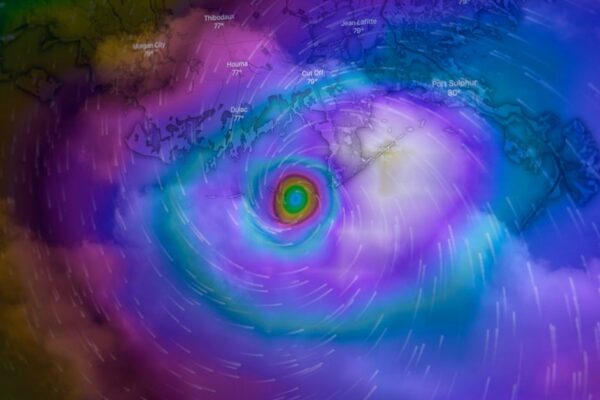
Super Typhoon Bavi, the third category 5 storm of 2026, slams Guam and Northern Mariana Islands with 180 mph winds. Climate change fuels rapid intensification. Full analysis.
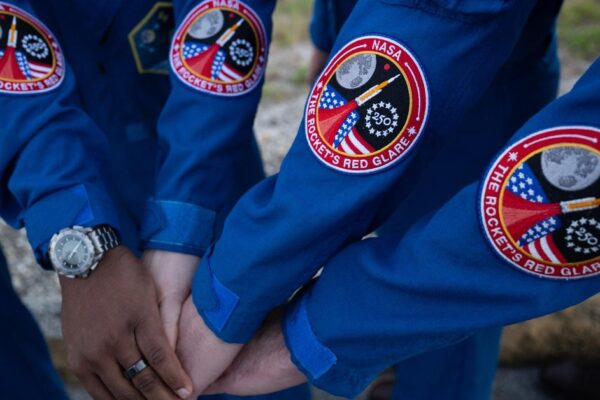
NASA Administrator Jared Isaacman flew his personal F-5 Tiger jet over the National Mall on July 4, 2026, celebrating America’s 250th birthday with a unique flyover that symbolizes a new era of commercial space.

ESA’s Euclid telescope discovers 31 ancient quasars, including the two oldest ever found, shining with a trillion suns’ light from 750 million years after the Big Bang.
Super Typhoon Bavi, with 160mph winds and 11m waves, forces mass evacuations in Guam. A climate preview for the Pacific.
Scientists discovered living yeast in the gut of 5,300-year-old mummy Ötzi the Iceman and used it to bake sourdough bread. Here’s how.

Chinese researchers develop PRINCE and Little Prince, dual small-molecule switches that give on-demand control over CRISPR gene editing in living tissues — a potential game-changer for safety.
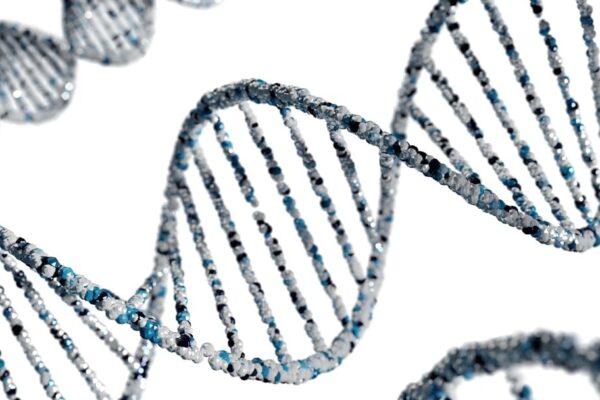
Conservation genomics offers powerful tools to protect biodiversity, but Indigenous leaders demand data sovereignty and respect for traditional knowledge. A movement for ethical science is growing.
NASA launches a daring rescue mission to save the Swift telescope. A robotic spacecraft will boost the aging observatory to a higher orbit, extending its life by a decade.
NASA’s robotic spacecraft has launched to rescue a decaying X-ray telescope before it burns up in Earth’s atmosphere. Here’s how the daring orbital catch works.
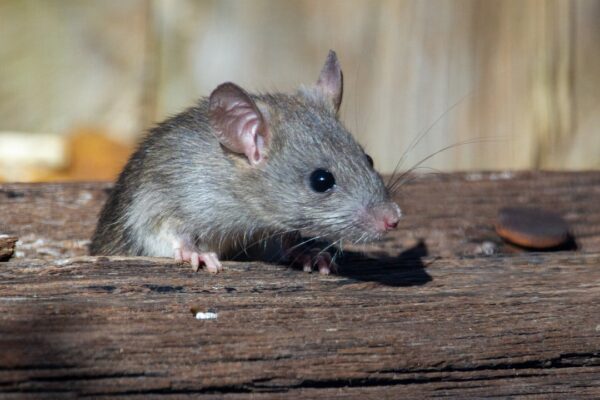
Hantaviruses co-evolved with rodents for 25 million years. Learn how these silent carriers spread without symptoms, and why they turn deadly in humans.
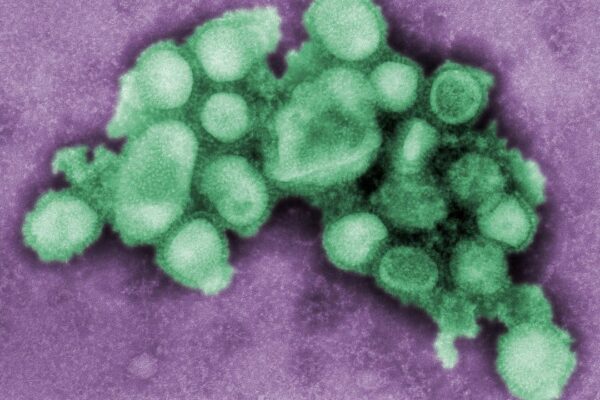
The WHO declares the MV Hondius hantavirus outbreak over after three deaths and a global health alert. Learn how the virus spread, the investigation, and what it means for future travel.