“Hantaviruses have been silently evolving with rodents for tens of millions of years. Their ability to cause no harm in these hosts, yet become deadly in humans, is a masterclass in viral adaptation.”
That’s Dr. Hiroaki Kariwa, Specially Appointed Professor of virology at Hokkaido University, speaking about a pathogen that’s both fascinating and terrifying. Hantaviruses — a family of RNA viruses carried primarily by rodents — have a split personality. In their natural hosts, they’re nearly invisible. No fever. No lethargy. Just a quiet, lifelong infection. But spill over into humans, and the script flips. Depending on the strain, hantaviruses can trigger hantavirus pulmonary syndrome (HPS), which kills about 36% of those infected in the Americas, or hemorrhagic fever with renal syndrome (HFRS), which has a fatality rate of up to 15% in Asia. So how does a virus that’s basically harmless in a mouse turn into a human nightmare? The answer, it turns out, lies in a co-evolutionary dance that’s been going on for millions of years.
Rodents as Silent Reservoirs
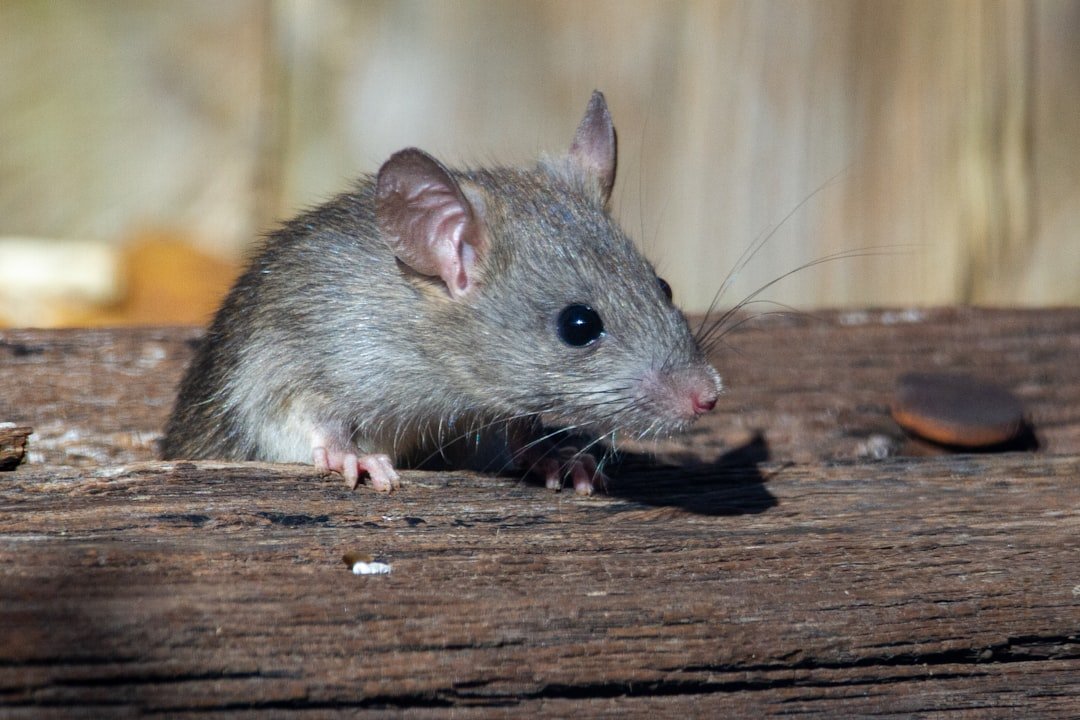
Inside a rodent host — say, a deer mouse in North America or a striped field mouse in Asia — hantaviruses behave like model tenants. They replicate in the lungs, kidneys, and spleen, but rarely cause inflammation or tissue damage. Dr. Kariwa’s team has spent decades studying this relationship. “The virus doesn’t want to kill its host,” he explains. “A dead rodent can’t spread the virus through urine, droppings, or saliva — its main transmission routes. So it’s evolved to be stealthy.” That stealth is key. Infected rodents can carry the virus for life, shedding it continuously without ever showing symptoms. It’s a perfect evolutionary trade-off: the virus gets a mobile, long-lived home, and the rodent gets — well, nothing bad, apparently. But here’s the puzzle: if the virus is so well-adapted to rodents, why does it wreak havoc in humans?
The answer, as with so many things in virology, comes down to an evolutionary mismatch. Humans are what scientists call a “dead-end host” for hantaviruses. We don’t transmit them efficiently — no coughing, no sneezing — and we certainly don’t offer the virus a cozy long-term home. Instead, our immune system overreacts. It unleashes a cytokine storm, flooding the lungs or kidneys with inflammation that the virus didn’t evolve to trigger. In rodents, the virus suppresses that immune response. In humans? It’s like setting off a fire alarm in a building that’s already burning.
How Hantaviruses Move Through Populations
Understanding the silent spread in rodents is crucial for predicting human outbreaks. Hantaviruses don’t jump from rodent to rodent through the air. They spread through direct contact — grooming, fighting, sharing nests — or through contaminated environments. A single infected mouse can leave a trail of viral particles in its urine, which can remain infectious for weeks. And here’s where it gets interesting: the virus doesn’t just drift randomly through rodent populations. It follows ecological patterns. Dr. Kariwa’s research, published in Viruses in 2023, tracked hantavirus prevalence in Hokkaido’s voles over a decade. “We found that infection rates spike after years with high rodent populations,” he says. “More rodents mean more contact, and more contact means faster viral spread. It’s a density-dependent cycle.” But that’s not the whole story. The virus also moves geographically with its host. As rodent ranges shift due to climate change — deer mice moving northward, for example — hantaviruses follow. That’s a sobering thought for public health officials in temperate regions that haven’t historically dealt with hantavirus outbreaks.
For a parallel, consider how other pathogens, like the one behind SpudCell, baffle scientists with their resilience. Hantaviruses, though, have a longer track record — and a more predictable pattern.
The Co-Evolutionary Timeline
When did this partnership begin? Genetic studies suggest hantaviruses and rodents have been co-evolving for at least 25 million years, maybe longer. That’s old enough for the virus to have shaped the rodent immune system, and vice versa. Dr. Kariwa points to a 2022 study from the University of Texas that compared hantavirus genomes from rodents across four continents. The virus family tree matched the rodent family tree almost perfectly — a sign of a long, shared history. “It’s called codivergence,” he says. “The virus and host evolved together, like a key and a lock.” That lock-and-key relationship explains why hantaviruses are so species-specific. The Seoul virus, for instance, only infects brown rats. The Sin Nombre virus only infects deer mice. And when a hantavirus jumps to a new species — like a human — the key doesn’t fit the lock. The result is chaos.
But chaos doesn’t mean randomness. Outbreaks in humans often follow specific environmental triggers. In the US, cases of HPS — first identified during the 1993 Four Corners outbreak in the Southwest — typically spike after wet winters that boost rodent food supplies. More food means more rodents, and more rodents mean more opportunities for human exposure. The CDC has tracked this pattern for decades, noting that 76% of HPS cases occur in rural areas where people encounter rodent droppings while cleaning cabins, sheds, or barns. It’s a grim reminder that our health is tied to the health of ecosystems — something families near the Salton Sea know all too well, though from a different environmental hazard.
What It Means for Prevention
So what can we do with this knowledge? For one, it changes how we think about surveillance. Instead of just testing sick people, Dr. Kariwa argues we should monitor rodent populations for hantavirus prevalence. “If we know the virus is circulating in rodents at high levels, we can warn people to avoid contact before any human cases appear,” he says. That’s exactly what his team is doing in Hokkaido, where they’ve set up a network of traps and genetic tests to track the Puumala virus in bank voles. The approach could be a model for other regions. In the US, the CDC already runs a similar program for Sin Nombre virus, but funding is limited. A 2021 report from the National Academies of Sciences noted that hantavirus surveillance in rodents is “sporadic” and “underfunded.” That’s a gap that could cost lives.
But there’s another layer: treatment. Because hantaviruses don’t replicate well in human cells — they’re too specialized for rodents — they don’t cause the kind of high viral loads seen with, say, influenza. Instead, the damage comes from the immune response. That means antiviral drugs might be less effective than drugs that tamp down inflammation. Dr. Kariwa’s lab is exploring this, testing compounds that block the immune cascade. Early results, published in Antiviral Research in 2024, show promise in cell cultures. “But we’re years away from a drug,” he cautions. “Right now, the best treatment is prevention.”
And prevention starts with understanding the rodent next door. Look, we share this planet with billions of rodents, and they’re not going anywhere. Hantaviruses aren’t going anywhere either. They’ve been here for millions of years, quietly evolving alongside their hosts. The key to staying safe isn’t to fear the virus — it’s to respect the relationship. As Dr. Kariwa puts it, “We can’t eliminate hantaviruses. They’re part of the natural world. But we can learn to live with them — by keeping our distance.”
Frequently Asked Questions
Can hantaviruses spread from person to person?
Generally, no. Hantaviruses are primarily transmitted through contact with rodent urine, droppings, or saliva — or through inhalation of aerosolized particles from these materials. Human-to-human transmission is extremely rare and has only been documented in one strain, the Andes virus in South America. For most strains, infected humans are dead-end hosts.
What are the early symptoms of hantavirus infection in humans?
Early symptoms mimic the flu: fever, muscle aches, fatigue, and headaches. But within days, some strains (like Sin Nombre) can cause sudden respiratory distress as fluid fills the lungs — a condition called hantavirus pulmonary syndrome. If you’ve been exposed to rodent droppings and develop these symptoms, seek medical help immediately. Early diagnosis improves survival odds.
How can I protect myself from hantavirus at home?
The CDC recommends sealing holes in your home to prevent rodents from entering, storing food in rodent-proof containers, and cleaning up droppings with a disinfectant (like bleach) while wearing gloves and a mask. Never sweep or vacuum droppings dry — that aerosolizes the virus. Instead, wet the area with disinfectant first, then wipe it up. It’s simple, but it works.