“We haven’t seen a smoke plume this dense this early in the season since 2023,” says Dr. Sarah Jenkins, a senior meteorologist at Environment Canada. “It’s like a freight train rolling across the continent.”
Starting on May 17, 2026, a series of massive wildfires in northern Ontario began pumping colossal amounts of smoke into the atmosphere. Within 48 hours, that smoke had crossed the Great Lakes, blanketing Toronto, Ottawa, Montreal, and then dipping south into New York, Pennsylvania, and even Washington, D.C. Air quality monitors in Detroit hit a PM2.5 reading of 354 micrograms per cubic meter — more than 70 times the World Health Organization’s safe limit. It was, briefly, the worst air on Earth.
And it keeps moving. As of May 20, the plume is spreading east over the Atlantic, with lingering haze stretching from Boston to Newfoundland. For millions of people, the question isn’t if the smoke will arrive — it’s when it will clear.
The Plume’s Path
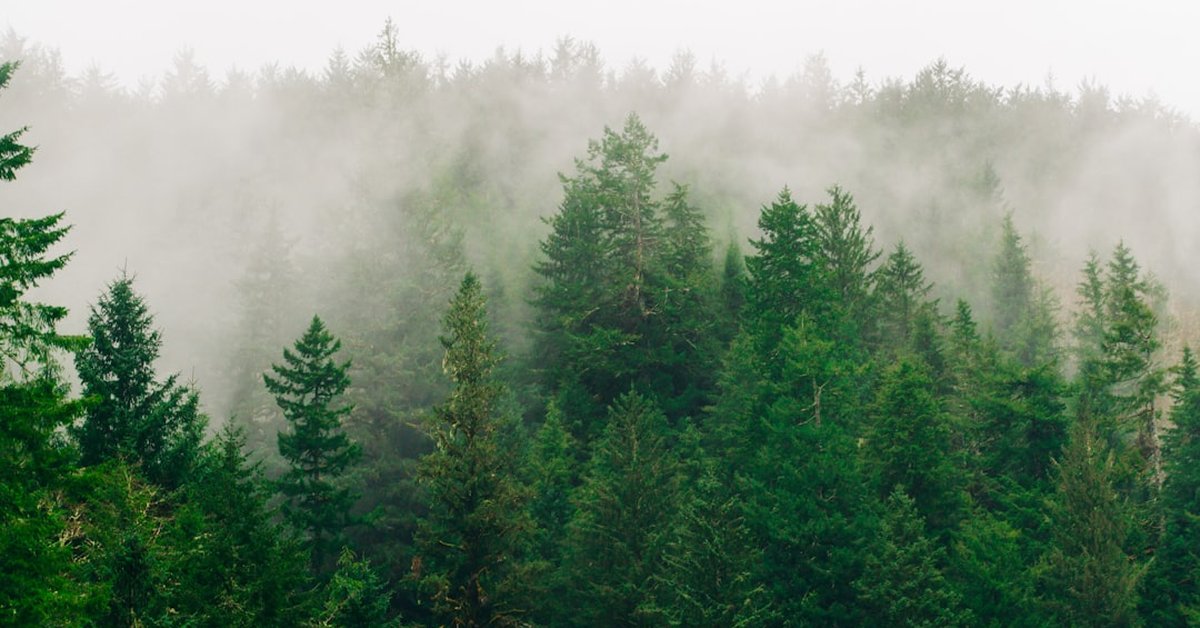
The fires themselves are burning in remote boreal forest roughly 400 kilometers north of Thunder Bay. According to the Canadian Interagency Forest Fire Centre, over 1.3 million hectares had already burned in Ontario by mid-May — roughly triple the 10-year average for this time of year. Unusually warm, dry spring weather, combined with drought, turned the landscape into tinder.
Then a powerful low-pressure system over Hudson Bay acted like a giant vacuum, drawing the smoke southeast. High-altitude winds carried it in a band just above the boundary layer, meaning it stayed dense as it traveled. “Normally, smoke disperses over distance, but here the meteorological setup kept it compact,” explains James Kim, a wildfire smoke researcher at the University of Toronto. “Think of it like a river of soot, three kilometers wide, flowing right over major population centers.”
Satellite imagery from NASA’s Earth Observatory shows the plume distinctly — a gray-brown streak visible from space, stretching over 2,500 kilometers. Cities that experienced similar events in 2023 (New York famously turned orange) saw it happen again, but with a nasty twist: this time the smoke arrived earlier in the year, when many people were still running their windows open for spring ventilation.
In a year already notable for a surge in fireballs lighting up skies — scientists are studying why 2026 has so many fireballs — the smoke added a different kind of atmospheric spectacle. But nobody was cheering.
Health Risks Reach the Cities
Fine particulate matter (PM2.5) is the real villain here. These tiny particles — 30 times smaller than the width of a human hair — burrow deep into lung tissue, then enter the bloodstream. Short-term exposure triggers asthma attacks, heart arrhythmias, and stroke. For children, the elderly, and pregnant people, the risks are even steeper.
Health officials across the affected region issued air quality advisories. In New York State, Governor Kathy Hochul urged residents to limit outdoor activity and wear N95 masks if going outside. Schools in Buffalo and Rochester canceled outdoor recess. In Montreal, many took to wearing masks again — not for COVID, but for smoke.
“We’re seeing a pattern now where wildfire smoke is a recurring public health emergency, not a one-off disaster,” says Dr. Maria Torres, an environmental health specialist at the University of Michigan. “People need to assume that these events will happen every summer, and prepare accordingly.”
ER visits for respiratory complaints spiked 40% in Toronto over the weekend. The real toll, experts say, won’t be measurable for months — hospitalizations for heart failure and pneumonia often lag behind the initial exposure by days or weeks.
And here’s the part that doesn’t get enough attention: indoor air isn’t safe either. That 2023 study in JAMA Network Open found that in buildings without central air filtration, indoor PM2.5 levels can still be 60% of outdoor levels during a smoke event. Your apartment isn’t a haven — unless you’ve got a HEPA filter running.
Is This the New Normal?
Look, Canadians have lived with wildfire smoke for generations, but not like this. The 2023 season set records — over 17 million hectares burned nationwide — and many thought it was a freak year. But 2024 and 2025 were also above average. Now 2026 is shaping up to be worse. “The climate is shifting the baseline,” says Dr. Jenkins. “We used to call these 100-year events. Now they’re 5-year events.”
And it’s not just Canada. Smoke from Siberian wildfires has reached the North Pole. Smoke from Australia circled the globe. This is a hemispheric phenomenon. What started as a story about Ontario fires has become a story about how air pollution no longer respects borders.
For people in the U.S. Northeast, the immediate lesson is to buy a good air purifier, check local air quality indexes daily from May through September, and get comfortable with wearing a mask again. For policymakers, the lesson is tougher: land management, fire suppression strategies, and carbon emission cuts are all part of the solution, but none of them work fast enough to stop next year’s fires.
The smoke will eventually clear — models show a cold front pushing the plume out to sea by Thursday. But the fires in Ontario will keep burning. And as long as they do, the eastern United States and Canada will be living under a sooty cloud of uncertainty.
Frequently Asked Questions
How long will the smoke last in my area?
Most forecast models predict the dense smoke will clear by late this week as a cold front sweeps it eastward. However, intermittent haze and reduced air quality may persist in some areas if fires continue to burn. Check local AQI readings from sources like AirNow.
Is it safe to exercise outdoors?
No — not when PM2.5 levels exceed 150. Even healthy adults can experience throat irritation, coughing, and reduced lung function. If you must exercise, do it indoors with filtered air. The American Lung Association recommends staying indoors during any smoke advisory.
Do N95 masks really help?
Yes, but only if they fit properly. N95 and KN95 masks filter out PM2.5 particles effectively. Cloth masks and surgical masks do not seal well enough to provide protection. Wear them whenever you step outside during a smoke event.