





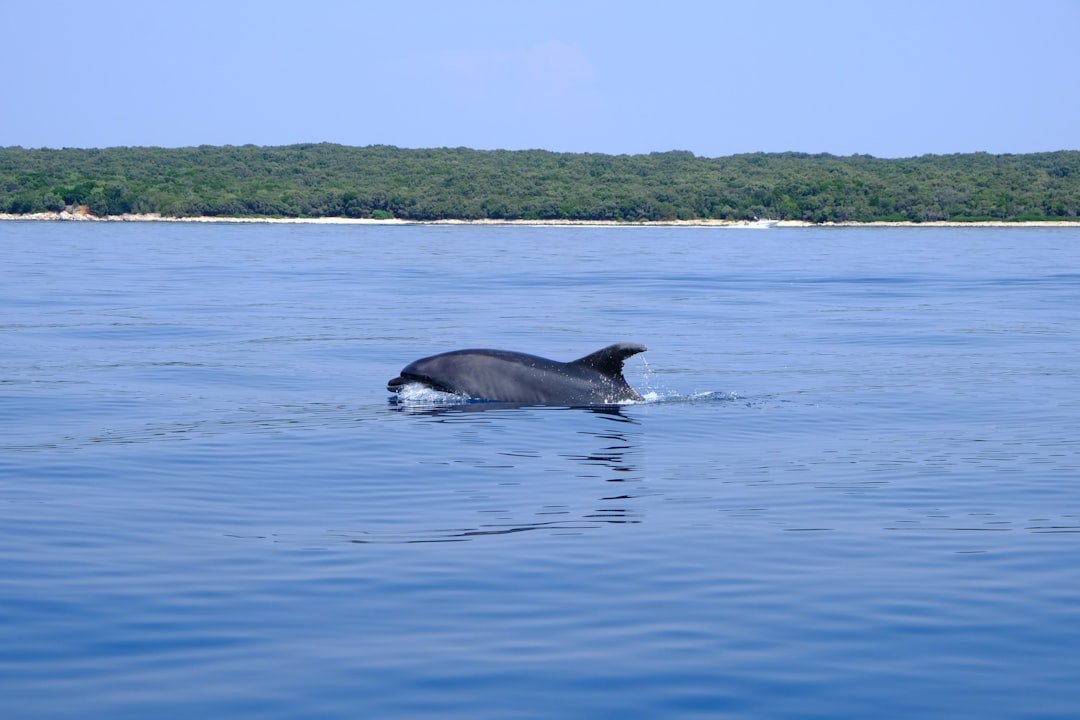
Imagine dolphins that have become, in effect, marine camp followers – trailing fishing boats like seagulls behind a plow. That’s the new reality for bottlenose dolphins in the Adriatic Sea, where decades of bottom trawling have so thoroughly scoured the seabed that these intelligent predators now rely on trawler discards for much of their diet. It’s a survival strategy, sure. But it’s also a red flag for an ecosystem in deep trouble.
New research from Croatian marine biologists reveals that Adriatic bottlenose dolphins spend a significant portion of their foraging time in the immediate wake of trawlers, scooping up fish that escape the nets or are thrown back. The study, published in the journal Marine Biology, tracked 22 dolphins off the coast of Croatia and found that nearly 60% of their observed feeding events occurred within 200 meters of an active trawler. That’s a stunning shift for a species that once hunted freely in these rich waters.
“The dolphins have essentially learned that it’s easier to follow the boats than to hunt on their own,” explains Dr. Ana Rako-Gospić, a marine biologist at the University of Split and lead author of the study. “But this dependency comes at a cost – both for the dolphins and for the health of the Adriatic.”
The Trawler Tactic: A Survival Strategy with Hidden Risks
At first glance, it looks like a clever adaptation. Trawlers churn up sediment and disorient fish, making them easy pickings. Nets also spill undersized or unwanted catch – a free buffet for any dolphin clever enough to follow. And bottlenose dolphins are nothing if not clever. They’ve been observed cooperating with fishermen in other parts of the world, even herding fish into nets in exchange for a share. But in the Adriatic, the relationship has become one-sided, and it’s getting worse.
Bottom trawling – dragging heavy nets across the seafloor – has been a mainstay of Adriatic fisheries for decades. The result? The seabed is scraped bare. Seagrass meadows, sponge gardens, and coral beds have been flattened. Fish stocks have collapsed. And the larger predators that once kept the ecosystem in balance – sharks, tuna, monk seals – have all but vanished. As Dr. Rako-Gospić notes, “The only apex predator still thriving in much of the Adriatic is the bottlenose dolphin, and even they are now dependent on our fishing activity.”
But this dependency is fragile. If trawling declines – due to tighter regulations, fuel costs, or fishery collapse – the dolphins could be left with nothing. “They’ve lost the ability or the opportunity to hunt natural prey,” says Dr. Giovanni Bearzi, president of the Tethys Research Institute in Milan, who has studied Adriatic dolphins for 30 years. “We are essentially managing a population that has become a byproduct of industrial fishing. That’s not conservation. That’s a lifeline we’re holding.”
A Sea Scraped Clean: The Cost of Bottom Trawling
The Adriatic Sea is one of the most heavily trawled basins on Earth. According to the United Nations Food and Agriculture Organization, over 70% of its seabed in waters shallower than 200 meters has been trawled at least once. In some areas, the same spot is dragged multiple times per year. The impact is catastrophic: a 2019 study found that trawling reduces seabed biodiversity by 40% and lowers carbon storage capacity. It’s essentially underwater deforestation.
And the dolphins are only the most visible victims. The entire food web has been rewired. With sharks and large fish gone, smaller species have boomed in some areas, but not enough to support dolphin populations naturally. Instead, the dolphins have learned to tap into the artificial bounty of trawler discards – a classic example of what ecologists call an “anthropogenic subsidy.”
“It’s like feeding bears at a national park,” says Dr. Bearzi. “It seems helpful in the short term, but it changes their behavior and makes them dependent on humans. If the handout stops, they starve.”
That’s not just a theory. In the northern Adriatic, where trawling has declined due to EU fishing quotas, dolphin sightings have dropped sharply. The animals may have moved elsewhere or simply died off. Scientists aren’t sure.
Meanwhile, the problem extends beyond the dolphins. The loss of seagrass and sponge beds also removes nursery habitats for fish, accelerates coastal erosion, and releases stored carbon into the water column. In a way, the dolphins’ behavior is a symptom of a much larger disease – one that affects everyone who depends on a healthy sea, from fishermen to tourists.
For a parallel to this kind of species reliance on human-altered habitats, look no further than the Rosalia beetle in Europe, whose survival now hinges on preserving old-growth forests. Both cases show how easily a species can become trapped by the very changes that seem to help it at first.
What This Means for Dolphins and People
For the casual visitor to Croatia’s Dalmatian coast, the sight of dolphins surfing behind a trawler might seem charming. But it’s a red flag. If the dolphins are eating trawler discards, they are also ingesting microplastics, heavy metals, and other pollutants that accumulate in the fish that feed near the bottom. A 2021 study found that Adriatic dolphins have some of the highest levels of PCBs and mercury in the Mediterranean. That’s linked to reproductive failure and immune suppression.
There’s also a more immediate danger: dolphins following trawlers can get entangled in nets or struck by propellers. “We’ve documented several deaths each year from interactions with fishing gear,” says Dr. Rako-Gospić. “And as dolphins become more dependent on trawlers, those interactions will only increase.”
But the story isn’t entirely bleak. The European Union’s Common Fisheries Policy has begun to phase out bottom trawling in protected areas, and Croatia has established several Marine Protected Areas (MPAs) where trawling is banned. The challenge is enforcement – illegal trawling still occurs in some zones, especially at night.
Dr. Bearzi advocates for a more radical shift: “We need to create large, fully protected no-trawl zones that cover at least 30% of the Adriatic. That would allow the seabed to recover, fish stocks to rebound, and dolphins to rediscover their natural hunting instincts. It’s not just about saving dolphins – it’s about restoring the entire ecosystem.”
Some fishermen are already on board. In the town of Mali Lošinj, a cooperative has started using more selective gear that reduces bycatch, and they report fewer dolphins following their boats. “It’s better for the sea, and it’s better for our catch,” says skipper Ivan Perić. “We don’t want to feed dolphins. We want them to be wild.”
That sentiment echoes a larger truth: we cannot manage the ocean based on convenience. The dolphins’ reliance on trawlers is a symptom of an ecosystem that has lost its resilience. Fixing that means rethinking how we fish, where we protect, and what we value.
For a deeper dive into how human activities reshape animal behavior, check out the story of how quiet hikes can create dangerous wildlife encounters – another example of unintended consequences when we alter natural rhythms.
Looking Ahead: Can the Adriatic Heal?
The good news is that bottlenose dolphins are adaptable. If given a chance, they can shift back to natural prey. Studies from other regions show that when trawling stops and fish stocks recover, dolphins quickly return to hunting on their own. The Adriatic still has patches of healthy seagrass and rocky reefs that could serve as source areas for recovery.
But time is running out. Climate change is warming the Adriatic faster than the global average, which further stresses fish populations. And the pressure from tourism – more boats, more noise, more pollution – adds another layer of stress.
“What we’re seeing now is a snapshot of a system in transition,” says Dr. Rako-Gospić. “It’s not too late to change course, but we need political will, better enforcement, and more research. The dolphins are telling us something. We should listen.”
So next time you see a dolphin off the coast of Croatia, look closer. Is it chasing a school of sardines – or a trawler? The answer will tell you more about the state of the sea than any satellite image ever could. And it might just decide the future of one of the ocean’s most beloved creatures.
Frequently Asked Questions
Why are bottlenose dolphins in the Adriatic following trawlers?
Decades of intensive bottom trawling have damaged the seabed and depleted natural fish stocks. Dolphins have learned that trawlers provide an easy source of food – either from fish escaping nets or from discards thrown overboard. This behavior has become a survival strategy, but it makes them dependent on human fishing activity.
Is this dependency harmful to the dolphins?
Yes, in several ways. Dolphins eating trawler discards are exposed to higher levels of pollutants like mercury and PCBs, which accumulate in bottom-dwelling fish. They also risk entanglement in nets and collisions with boats. If trawling decreases or stops, dolphins that have lost their natural hunting skills may struggle to find enough food.
What can be done to help Adriatic dolphins?
Establishing large, fully protected marine areas where bottom trawling is banned would allow the seabed and fish stocks to recover. Using more selective fishing gear can reduce bycatch and discourage dolphins from following boats. Stronger enforcement of existing regulations and investment in sustainable fisheries are also critical steps.