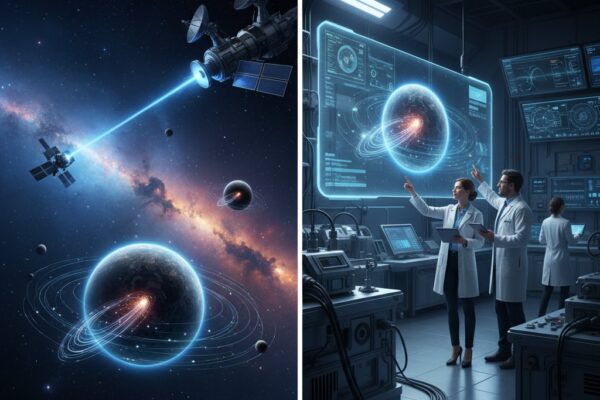
Alien Worlds with Magnetic Shields: A Cosmic Breakthrough
Astronomers detect magnetic fields on exoplanets in the TRAPPIST-1 system for the first time. This breakthrough reshapes the search for alien life and habitable worlds.
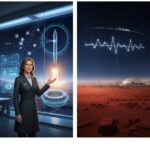
Astronomers detect magnetic fields on exoplanets in the TRAPPIST-1 system for the first time. This breakthrough reshapes the search for alien life and habitable worlds.
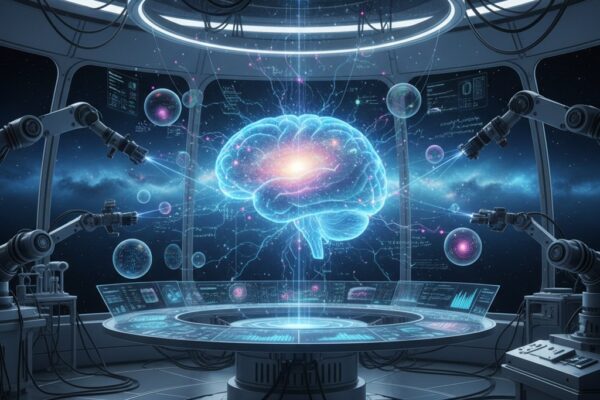
Rising temperatures are reshaping mental health, from heat-altered brain chemistry to climate anxiety. Learn the science, risks, and what you can do.
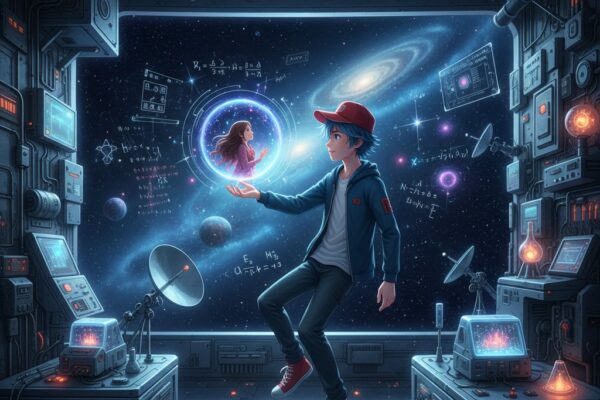
A physics student builds a DIY cloud chamber for his girlfriend, revealing cosmic rays. The viral gift blends romance with particle physics, inspiring wonder.
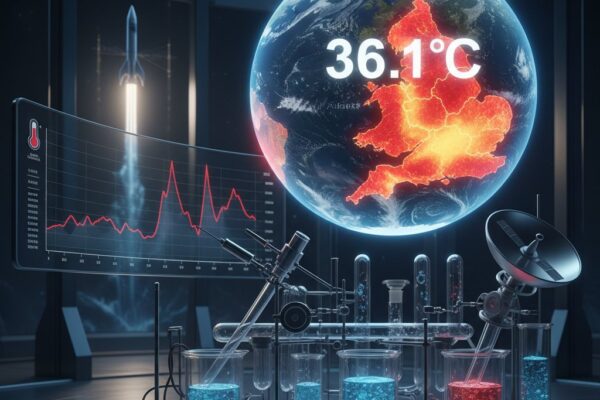
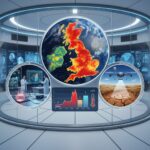
UK records hottest June day ever at 36.1°C in Hampshire, breaking a 1976 record. Climate experts warn this scorcher is a sign of what’s to come.
A new study reveals that melting Arctic icebergs boost deep-sea life by releasing nutrients — a rare silver lining as climate warms. Learn how deep-sea creatures are thriving.
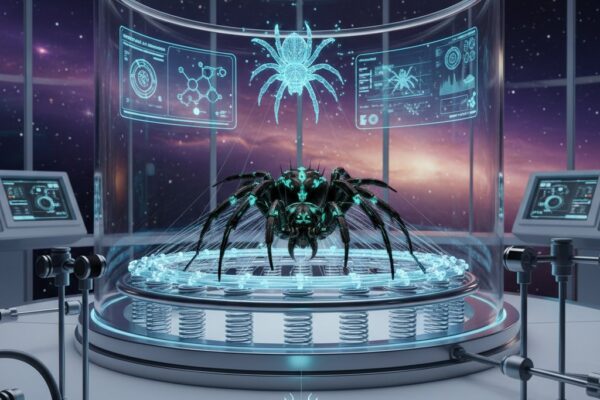
Scientists discover a new spider species in Australia that uses a spring-loaded silk trap to catch dangerous ants—a hunting method never seen before in arachnids.
New research reveals investors reward companies with credible voluntary climate goals through higher stock prices and lower capital costs, signaling a market shift toward sustainability.
Europe’s deadly heat wave shifts east as hundreds of millions face dangerous temperatures. Overnight storms offered fleeting relief in France and Belgium, but the scorcher continues.
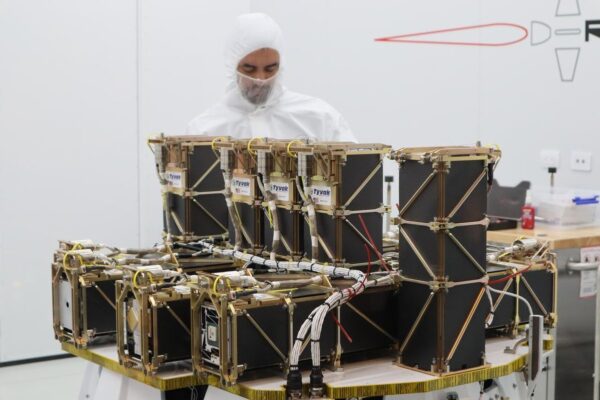
NASA selects Rocket Lab to launch PolSIR and TSIS-2 missions, targeting ice cloud behavior and solar irradiance to improve climate models and solar physics understanding.
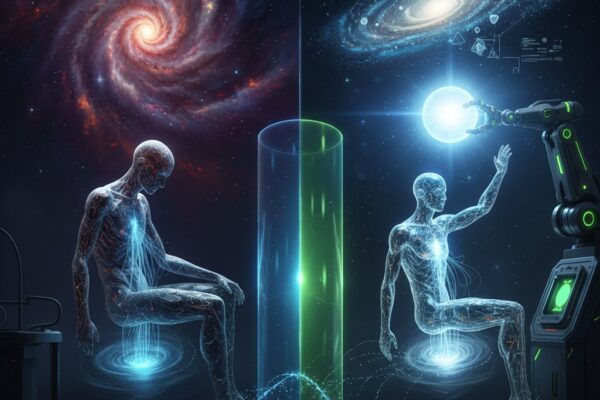
Feeling drained after your second year of college? Science reveals why burnout hits hard and how to recover effectively during summer break.
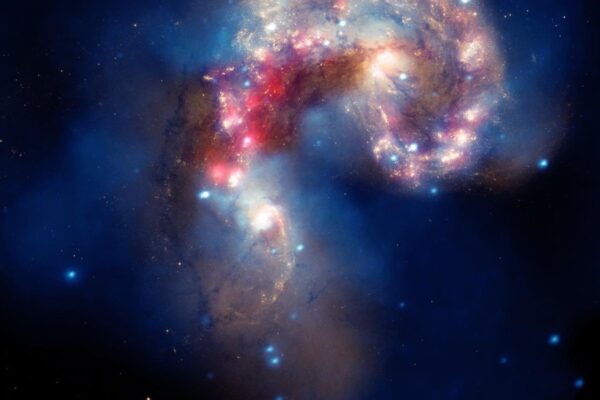
NASA’s Chandra X-ray Observatory unveils four cosmic images and three sonifications in red, white, and blue to celebrate the US 250th anniversary — blending science, art, and national pride.
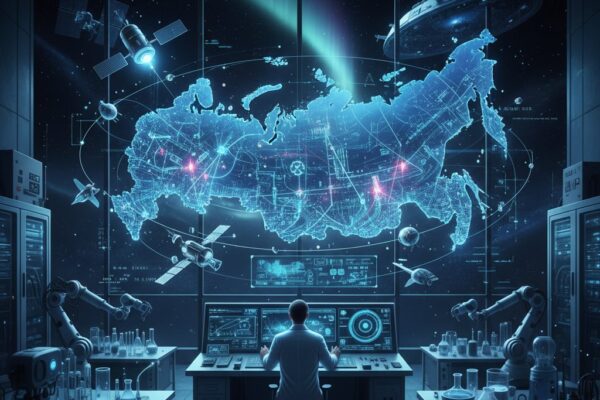
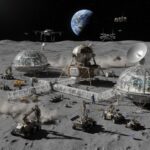
Russia’s space program is back with Luna moon missions, a new orbital station (ROSS), and nuclear-powered tugs. Explore the geopolitical and scientific impacts for global readers.