







“This is not your typical summer heat wave. This is a prolonged, dangerous heat dome that will stress infrastructure and threaten lives, especially for vulnerable populations.”
Dr. Maria Torres, a meteorologist with the National Weather Service’s Climate Prediction Center, didn’t mince words Thursday as a massive heat dome settled over the eastern United States. From the Great Lakes down to the Gulf Coast, more than 150 million Americans were under heat advisories or excessive heat warnings. Temperatures were forecast to soar into the high 90s and low 100s Fahrenheit, with heat indices — what it actually feels like when humidity is factored in — topping 110°F in some cities.
Pools and cooling centers were packed. Power grids strained as air conditioners ran non-stop. And the worst may be yet to come: the heat is expected to persist through the Fourth of July holiday weekend, raising concerns about fireworks safety, outdoor gatherings, and emergency room visits.
What Exactly Is a Heat Dome?
The term gets thrown around a lot, but it’s a specific meteorological phenomenon. A heat dome occurs when a strong ridge of high pressure parks over an area, trapping hot air beneath it like a lid on a pot. That dome compresses and heats the air further, and it blocks clouds and rain — meaning the sun just bakes the ground day after day.
The National Oceanic and Atmospheric Administration explains that heat domes are not new, but their intensity and frequency are increasing. In June 2021, a heat dome over the Pacific Northwest shattered temperature records and killed hundreds. This time, the bullseye is over the eastern seaboard.
Dr. James K. Patel, a climate scientist at the University of Michigan, says the current setup is worryingly similar. “The atmospheric blocking pattern is very stubborn. This ridge isn’t going to budge until early next week. That means several consecutive days of dangerously high temperatures, with very little overnight relief.” Overnight lows in cities like Washington, D.C., and Philadelphia were expected to stay above 80°F — a recipe for heat illness because the body doesn’t get a chance to cool down.
Power Grids Under Pressure
It’s not just people who are suffering. The power grid is taking a beating. On Wednesday, PJM Interconnection, which manages the grid for 65 million people from the Mid-Atlantic to the Midwest, issued a warning that demand could hit record levels. Across the region, utilities asked customers to conserve energy, especially during peak hours from 4 p.m. to 8 p.m.
Rolling blackouts are possible if demand outstrips supply or if a key generator trips offline — a real risk when transformers and transmission lines overheat. And here’s the irony: air conditioning is the main thing keeping people safe, but it’s also one of the biggest drivers of greenhouse gas emissions. A 2022 study in Environmental Research Letters found that in the U.S., electricity demand for cooling increases by roughly 2.5% per degree Fahrenheit above 85°F. Multiply that by millions of households, and you get a serious strain on an aging system.
Some cities are looking at innovative designs to mitigate urban heat islands. For example, one building in Japan is reshaping where people linger — and saving suburbs from becoming heat traps. But such solutions are years away from widespread adoption in American cities.
Health Risks Spike in Extreme Heat
Heat is the deadliest weather-related hazard in the United States. It kills more people each year than hurricanes, floods, and tornadoes combined. But because it doesn’t leave a trail of physical destruction, it often gets overlooked. The Centers for Disease Control and Prevention warns that heat exhaustion and heat stroke can come on quickly, especially for children, the elderly, outdoor workers, and those without air conditioning.
Symptoms include heavy sweating, dizziness, nausea, confusion, and fainting. Heat stroke — when the body’s temperature rises above 103°F — is a medical emergency. The CDC advises staying in cooled buildings, drinking plenty of water, and never leaving kids or pets in parked cars.
But there’s another, less talked about health concern. Extreme heat can alter the behavior of animals that carry diseases. Rodents, for instance, seek shelter and food in human habitats during heat waves. That brings them into closer contact with people, raising the risk of diseases like hantaviruses. Similarly, warmer temperatures can speed up the life cycle of fleas and the bacteria they carry — bacteria behind outbreaks of murine typhus, as recently seen in South Texas.
Dr. Lisa Chen, a public health researcher at Emory University, advises communities to seal food and trash, eliminate standing water, and check attic spaces for nesting rodents. “Heat domes create conditions that not only stress our bodies but also our local ecosystems. Vigilance with pest control becomes extra important during these events.”
What to Expect for the Holiday Weekend
The heat dome will flex its muscles right through Independence Day. Several major cities, including New York, Boston, and Atlanta, have canceled or modified outdoor events. Fireworks shows will still happen, but officials are urging spectators to stay hydrated and seek shade. In New York City, the MTA is running cooling buses at crowded subway stations.
For those lucky enough to own a pool or have access to a lake, Thursday was a welcome escape — but also a reminder that water can be risky when people overheat and jump in. Cold water shock can cause cardiac arrest. So officials recommend cooling off gradually.
After the holiday, a cold front is expected to push southward, bringing relief — and possibly severe thunderstorms — to the Midwest and Northeast by Monday or Tuesday. But the reprieve may be temporary. Climate models suggest that the conditions that create heat domes are becoming more common as the planet warms. A study published in Nature Climate Change last year found that the frequency of midlatitude heat domes like this one has increased by roughly 30% since the 1980s.
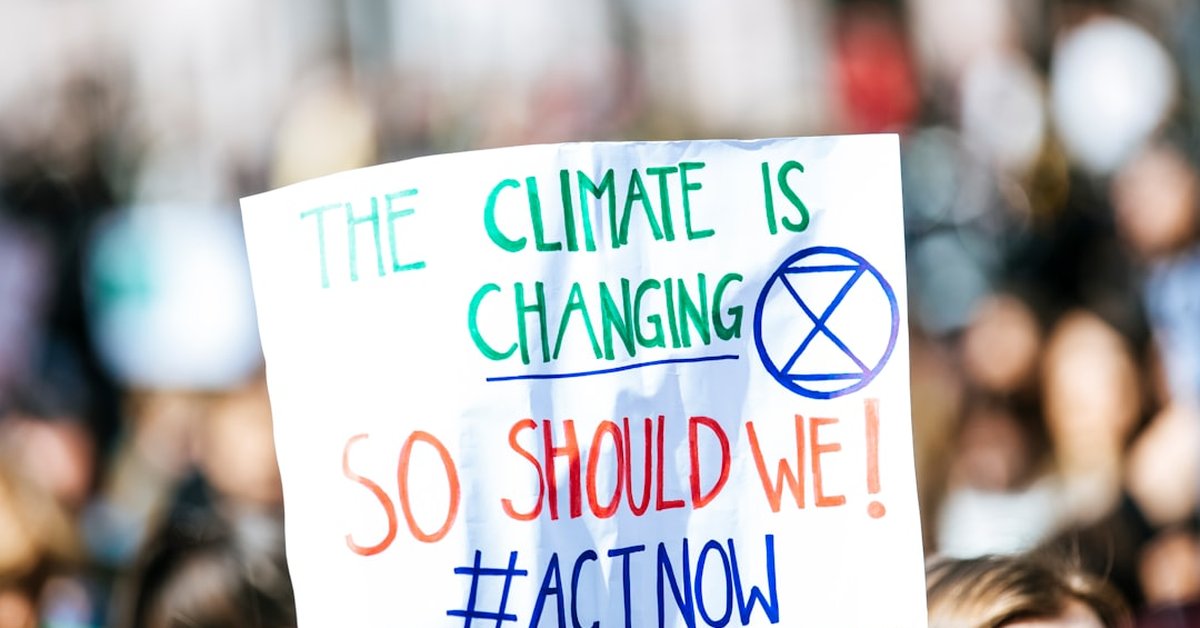
So while this weekend’s heat wave will eventually break, the larger trend is clear: we need to adapt. That means investing in resilient infrastructure, expanding green spaces, and — most importantly — cutting the emissions that are supercharging these events.
Dr. Patel put it bluntly: “We’re playing catch-up. Every summer now brings a new test of how well we can manage extreme heat. So far, we’re barely passing.”
Frequently Asked Questions
What is a heat dome?
A heat dome is a weather phenomenon where a strong ridge of high pressure traps hot air over a region, compressing and heating it further. It blocks clouds and precipitation, leading to prolonged, intense heat waves that can last days or weeks.
How can I stay safe during a heat dome?
Stay in air-conditioned buildings as much as possible, drink plenty of water (not sugary or alcoholic beverages), wear lightweight and light-colored clothing, and avoid strenuous outdoor activity during peak heat. Check on elderly neighbors and never leave people or pets in parked cars. If you don’t have AC, visit a public cooling center or shopping mall.
Are heat domes linked to climate change?
Yes. While heat domes have always occurred, climate change makes them more frequent, more intense, and longer-lasting. Warmer baseline temperatures and changes in atmospheric circulation patterns increase the likelihood of stagnant high-pressure systems that create heat domes.