







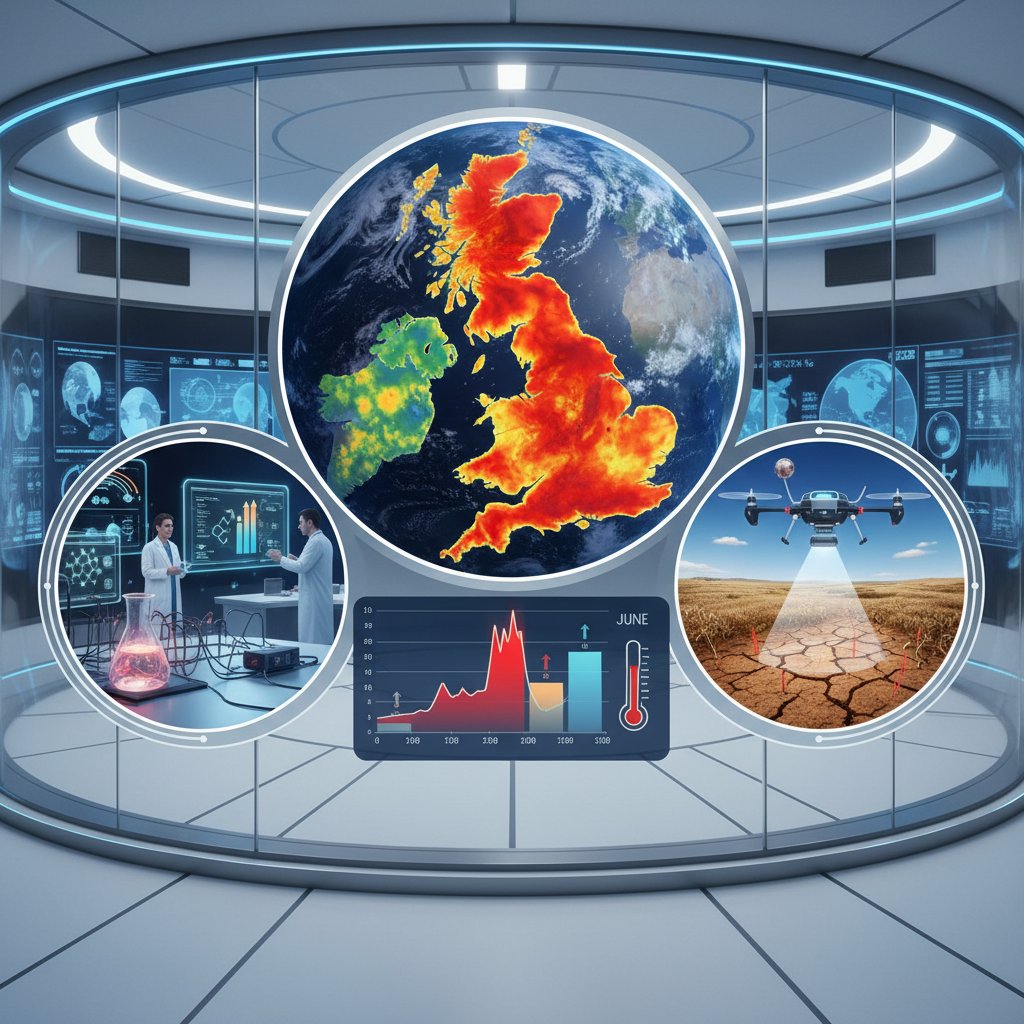
I remember a British summer from my childhood—the kind where you’d need a jumper even in July, and the sun was a polite rumor. This June, that memory feels like a relic from another planet. The UK is being blasted by an unprecedented heatwave, with temperatures shattering records and a rare red weather warning—the highest alert level—in place across much of England. It’s not just uncomfortable; it’s a stark signal of our changing climate.
The mercury hit 32.2°C (90°F) at Heathrow on June 10, making it the hottest day of the year so far and one of the warmest June days on record for the country. But it’s not just one day. The Met Office reported that the UK experienced its hottest June since records began in 1884, with average temperatures 2.5°C above the long-term norm. And this isn’t a fluke—it’s part of a pattern that has scientists deeply concerned.
What’s Driving the Heat?
So, what’s causing this blast furnace? A persistent high-pressure system, often called a “heat dome,” has settled over the UK, trapping warm air and preventing cooler Atlantic fronts from moving in. This system is fueled by a jet stream that’s shifted north, allowing hot air from North Africa and southern Europe to pour in. It’s like the weather has forgotten its manners and decided to throw a tropical party in a temperate island.
Dr. Emily Wallace, a climate scientist at the Met Office, explains: “The frequency and intensity of these extreme heat events are increasing due to human-induced climate change. While natural variability plays a role, the underlying warming trend makes these records more likely.” Look, this isn’t just about a few uncomfortable days. The Met Office data shows that the UK’s top 10 warmest Junes have all occurred since 2002. Coincidence? Hardly.
The heatwave has also triggered a cascade of other problems. Wildfires have broken out in Surrey, London, and parts of Scotland, with crews battling flames that spread rapidly in dry conditions. Meanwhile, the National Grid issued a warning about potential power shortages as demand for cooling surged. And in a grim echo of last summer’s heatwave, where over 3,000 excess deaths were recorded, health officials are urging people to stay hydrated and check on vulnerable neighbors.
A Tapestry of Chaos: From Railways to Rivers
The impacts are everywhere—some predictable, others surreal. Train services across the country faced delays and cancellations as tracks buckled in the heat. Network Rail imposed speed restrictions to prevent accidents, creating travel chaos for commuters. Even the iconic London Underground, Europe’s oldest metro system, saw platforms reach temperatures of 40°C, prompting warnings about passenger safety.
But it’s not just human infrastructure that’s suffering. Rivers like the Thames and the River Wye have seen water levels drop, threatening aquatic life. In a bizarre twist, the heat has also triggered a boom in jellyfish populations off the coast of Cornwall, where warm waters are creating ideal conditions for these gelatinous creatures. I never thought I’d write that sentence, but here we are.
Meanwhile, farmers are facing crop failures, with yields of wheat and barley expected to drop by 15-20% this season. And the Britain Scorches Through Record-Breaking June Heatwave article on QuasarPost highlights similar patterns worldwide, showing this isn’t an isolated incident.
The Human Cost: More Than Just Discomfort
Behind the statistics are real people struggling. In care homes, staff have been working round the clock to keep elderly residents cool, using fans, ice packs, and cold drinks. Hospitals have reported a surge in heatstroke cases, with emergency departments treating patients for dehydration and heat exhaustion. The NHS has activated its emergency protocols, but the sheer volume of cases is straining resources.
Schools closed early in some areas, and outdoor events were canceled. The Wimbledon tennis championships, a staple of British summer, proceeded with strict heat protocols, including longer breaks for players. Even the animals at London Zoo have been given frozen treats and mist showers to cope with the heat.
But there’s a deeper, more unsettling aspect. This heatwave is a preview of what’s to come. According to the UK Health Security Agency, climate change could lead to an additional 10,000 heat-related deaths per year by 2050 if emissions aren’t curbed. That’s not a prediction—it’s a trajectory. And it’s one we’re currently on.
What This Means for the Future
So, what happens next? The immediate forecast shows a slight cool-down, but the underlying trend is clear: British summers are getting hotter. The government has pledged to improve heatwave preparedness, including better warning systems, cooling centers, and urban greening projects. But critics argue these measures are too little, too late.
Dr. James Hanson, a climate policy expert at the University of Oxford, puts it bluntly: “We’re adapting to a climate that no longer exists. The UK needs to accelerate its transition to net-zero emissions, invest in resilient infrastructure, and educate the public about the risks. Otherwise, these record-breaking events will become the new normal.”
And it’s not just about the UK. The same atmospheric dynamics driving this heatwave are affecting other parts of Europe, North America, and Asia. The alien signals article might seem unrelated, but it underscores a broader point: our planet’s systems are under stress, and we’re only beginning to understand the consequences.
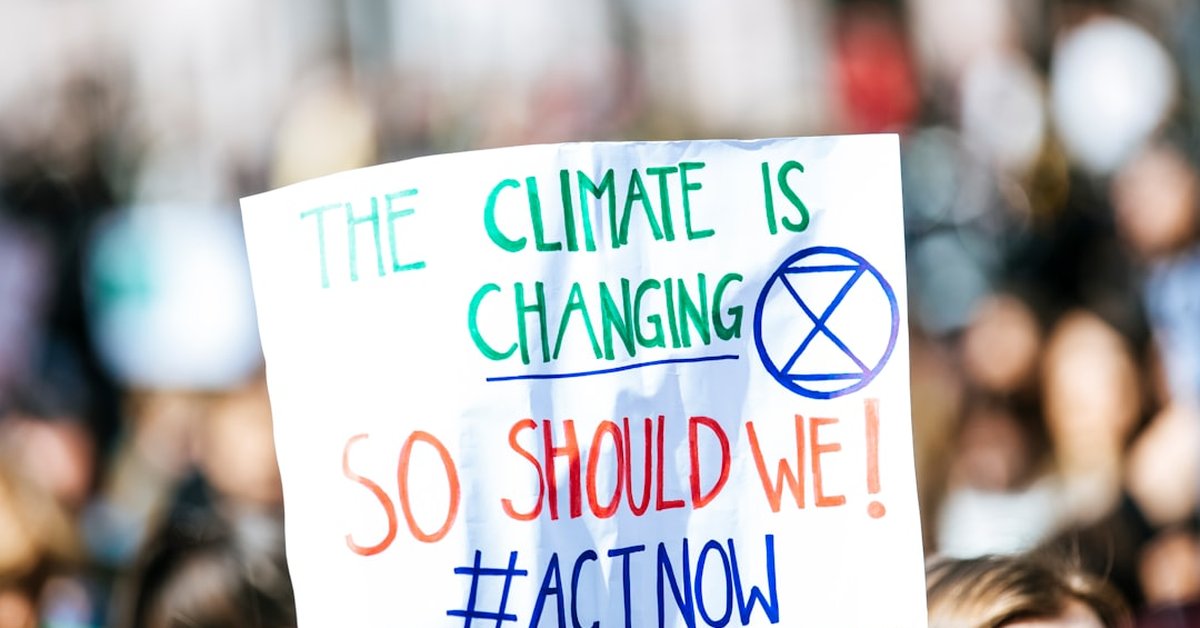
As I write this, I’m looking at the thermometer outside my window—it’s 28°C at 9 PM. That’s not normal for June in England. It’s a reminder that the world is changing, and we need to change with it. The next few years will test our resilience, our ingenuity, and our willingness to act. Let’s not waste this heat—let it fuel a fire for action.
Frequently Asked Questions
Why is the UK experiencing such extreme heat in June?
The heatwave is caused by a high-pressure system that has stalled over the UK, creating a “heat dome” that traps warm air. This is exacerbated by climate change, which is increasing the frequency and intensity of such events.
How dangerous is this heatwave for vulnerable people?
Extremely. The elderly, young children, and those with pre-existing health conditions are at high risk of heatstroke, dehydration, and exacerbation of chronic illnesses. The UK Health Security Agency has issued red alerts, urging people to take precautions.
Will this become a regular occurrence in Britain?
Yes. Climate models project that summers in the UK will become hotter and drier, with heatwaves like this one becoming more common. Without significant reductions in greenhouse gas emissions, what was once a rare event could become the norm.