







“We’ve never seen temperatures like this sustained for so long,” said Dr. Elena Rossi, a climate scientist at the European Centre for Medium-Range Weather Forecasts in Reading, UK. “The heat dome is now migrating eastward, but the danger is far from over.”
The deadly heat wave that has gripped Europe for days moved east on Sunday, leaving behind scorched fields, strained power grids, and a grim toll. Hundreds of millions of people from Paris to Warsaw continue to swelter, even as overnight thunderstorms offered a sliver of relief — especially in France and Belgium, where temperatures briefly dipped below 30°C (86°F) for the first time in nearly a week. But don’t mistake that for the end. The heat is far from done.
The human cost has been staggering. As reported in our previous coverage, more than 1,300 deaths across the continent have been linked to the heat, with Germany recording an all-time high of 41.7°C. That record may not stand for long.
The Shift East: What’s Driving the Heat?
So why is the heat moving east? It comes down to a stubborn atmospheric pattern: a high-pressure system, often called a heat dome, that’s locked in place over central and eastern Europe. This dome acts like a lid, trapping hot air from North Africa and preventing cooler Atlantic air from sweeping in. The result is a slow-motion furnace that shifts only when the jet stream wobbles — and right now, it’s wobbling toward Poland, the Czech Republic, and the Balkans.
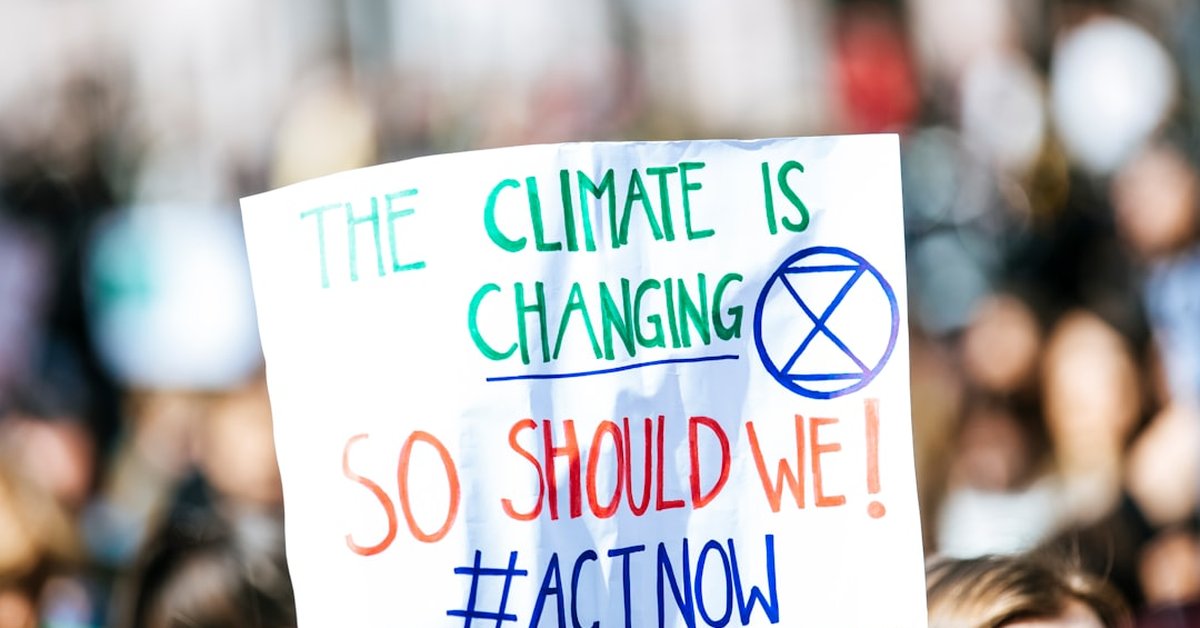
“These heat domes are becoming more frequent and more intense due to climate change,” said Dr. Philippe Dubois, a meteorologist at Météo-France. “What we’re seeing now is consistent with the projections from the Intergovernmental Panel on Climate Change.” Scientists have confirmed that human-caused climate change is making such extreme events more likely, and the numbers back it up. Copernicus Climate Change Service data shows that July 2023 was the hottest month on record globally, and Europe is warming faster than any other continent.
Overnight Storms: A False Sense of Security?
Thunderstorms rolled through northern France and Belgium late Saturday, bringing rain and a few degrees of cooling. For Parisians, who endured four consecutive days above 40°C, the sound of rain on hot pavement was almost surreal. But experts warn that a few hours of relief don’t erase the damage. The human body needs sustained periods of lower temperatures to recover, especially overnight. When nighttime temperatures stay above 25°C — which they did in many cities — the cumulative heat stress can be deadly.
“Even a few hours of cooler temperatures can help, but the body needs sustained relief to recover,” said Dr. Anna Kowalski, a public health researcher at the University of Warsaw. “For vulnerable populations — the elderly, those with chronic conditions — the risk remains high.” In Belgium, hospitals reported a spike in heat-related emergency visits, and French authorities extended the red alert for the Paris region through Monday. The World Health Organization emphasizes that heat waves kill more people than any other natural disaster, and the effects often linger for days after the temperature peaks.
Look, it’s not just about the thermometer. Humidity, lack of air conditioning, and poor urban design turn cities into heat islands. In eastern Europe, where air conditioning is far less common than in the west, the coming days could be brutal.
What Comes Next: A Hotter Normal?
As the heat wave shifts east, countries like Poland, Ukraine, Romania, and the Balkans are bracing for extreme temperatures that could push infrastructure to the breaking point. Polish energy operators have already warned of potential blackouts as electricity demand for fans and cooling surges. In Ukraine, the war-torn nation faces a double crisis: heat on top of energy grid damage from Russian strikes.
And this isn’t a one-off. The heat wave that began in Iberia last week, then baked France and the UK, and is now creeping toward the Black Sea, is part of a larger pattern. Since the 1980s, Europe’s heat waves have become more frequent, longer, and hotter. The 2003 heat wave killed an estimated 70,000 people. The 2022 heat wave killed 60,000. This year’s toll is still climbing.
Forward-looking, Europe must adapt. That means planting more street trees, painting roofs white to reflect sunlight, retrofitting buildings with passive cooling, and — perhaps most importantly — rapidly phasing out fossil fuels that supercharge these events. As Dr. Rossi put it: “We can’t stop every heat wave. But we can make them less deadly. The question is whether we have the will to do it.”
Frequently Asked Questions
Why is this heat wave so dangerous?
This heat wave combines extreme daytime highs (above 40°C in many areas) with high humidity and unusually warm nights. That combination strains the cardiovascular system, especially for the elderly, children, and people with pre-existing conditions. The death toll is already in the thousands, and it’s expected to rise as the heat moves east into regions less accustomed to such extremes.
How is climate change linked to this event?
Climate change increases the likelihood and intensity of heat domes by altering atmospheric circulation patterns. Multiple attribution studies have shown that the probability of a heat wave like this one has increased by a factor of 10 or more due to human-caused global warming. Our article on the science explains the link in more detail.
What should people do to stay safe?
Stay hydrated, avoid strenuous outdoor activity during peak heat (11 a.m. to 4 p.m.), keep living spaces cool by closing blinds and using fans, and check on elderly neighbors or relatives. If you have a pre-existing medical condition, talk to your doctor about adjusting medications that might affect fluid balance. Never leave children or pets in parked cars, even for a minute.