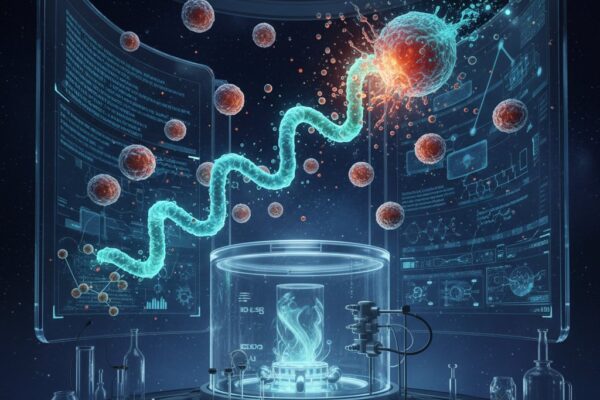
Peptide Breakthrough Could Beat Superbugs Without Antibiotics
University of Alberta researchers engineered a human-derived peptide, D-GK, that kills superbugs in preclinical tests. Could this be a new weapon against antimicrobial resistance?

University of Alberta researchers engineered a human-derived peptide, D-GK, that kills superbugs in preclinical tests. Could this be a new weapon against antimicrobial resistance?
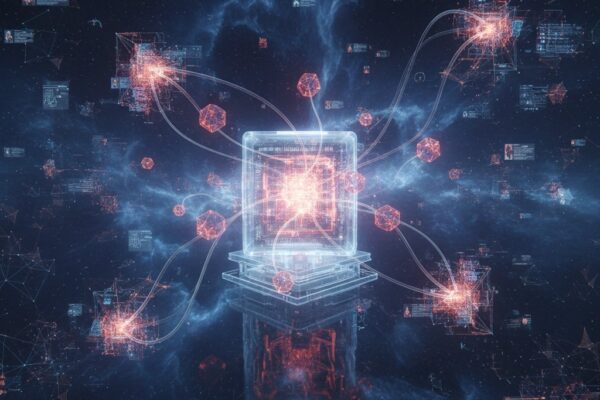
By 2026, human-generated data for AI training may run out. Explore model collapse, synthetic data risks, and the future of machine learning in a post-human-data world.
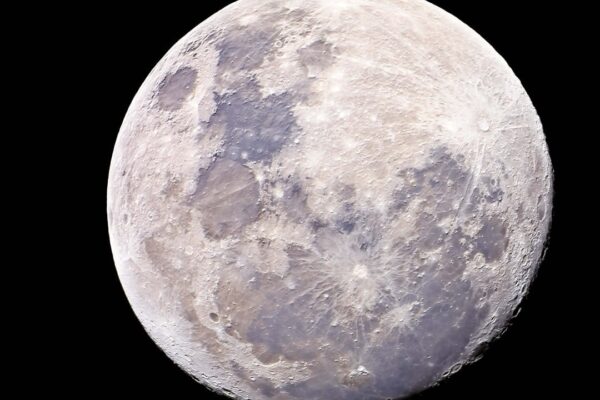
NASA chief Bill Nelson vows to send a soccer ball to the Moon if the U.S. wins the World Cup. We break down the science, timeline, and what it means for space exploration.
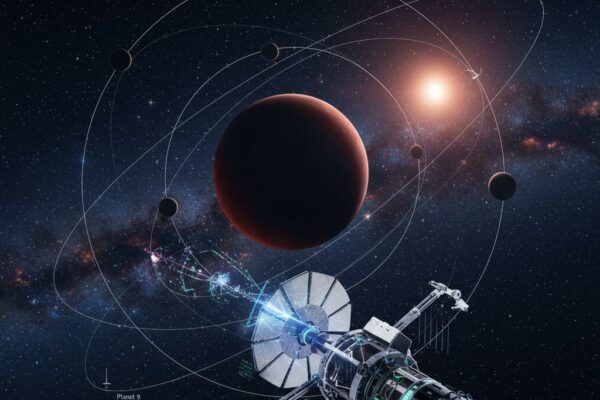
TrES-2b, the darkest exoplanet, reflects less than 1% light. Could Planet 9 be similarly elusive? And what would its discovery mean for the Nice Model?
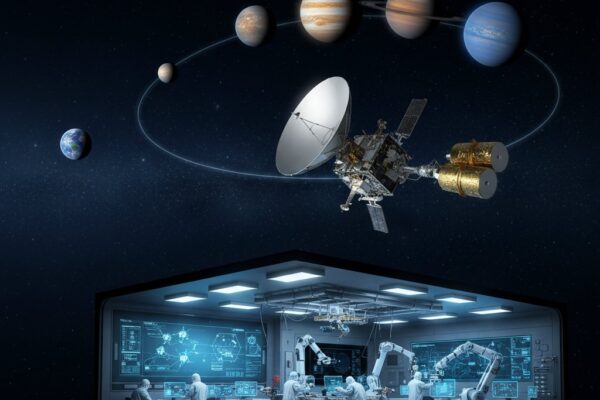
Voyager 2, launched in 1977, is the only spacecraft to visit Jupiter, Saturn, Uranus, and Neptune. Now 49 years old, it continues to send data from interstellar space.
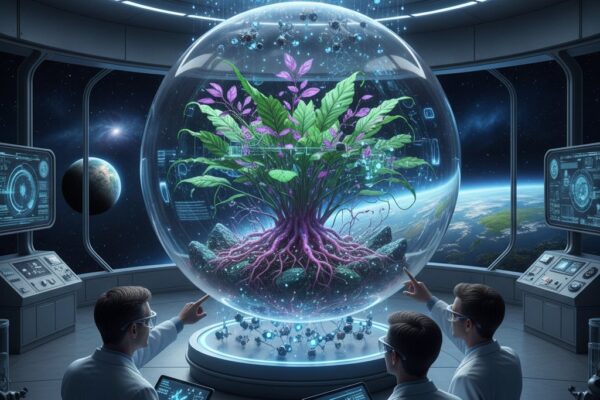
New King’s College London study finds invasive plants succeed because of ancient evolutionary traits, not recent adaptation—a discovery with major implications for climate change and biosecurity.
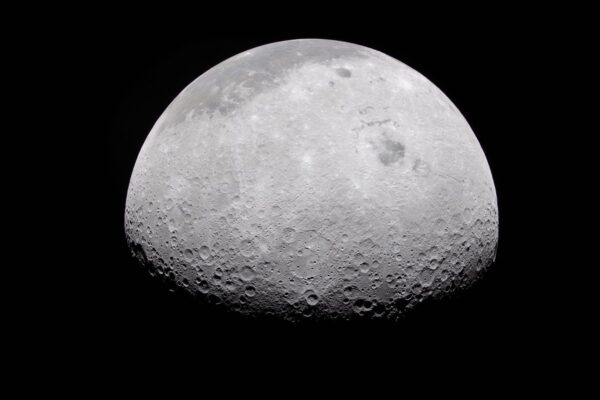
Artemis II crew captures stunning Moon terminator photo. Discover what the half-lit lunar surface reveals about geology, moonquakes, and our cosmic perspective.
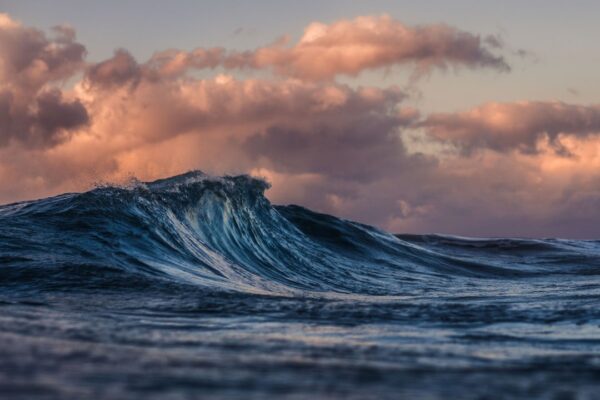
EU climate monitor confirms June 2023 was the hottest on record for global oceans, driven by El Niño and climate change. Marine heatwaves threaten fisheries, hurricanes, and ecosystems.
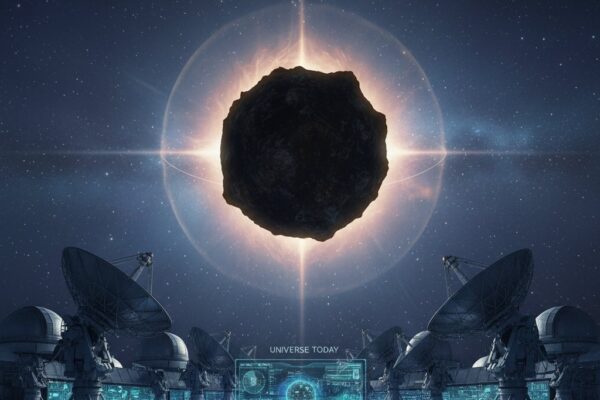
A tiny object passed between Hubble and a star 25,000 light-years away. It’s the first detection of a small Kuiper Belt object via microlensing, opening a new era in astronomy.
NASA satellite data shapes weather alerts, food prices, and disaster response. Data manager Betsy Ford explains how Earth observations impact your daily life.

Russia’s space program is back with Luna moon missions, a new orbital station (ROSS), and nuclear-powered tugs. Explore the geopolitical and scientific impacts for global readers.
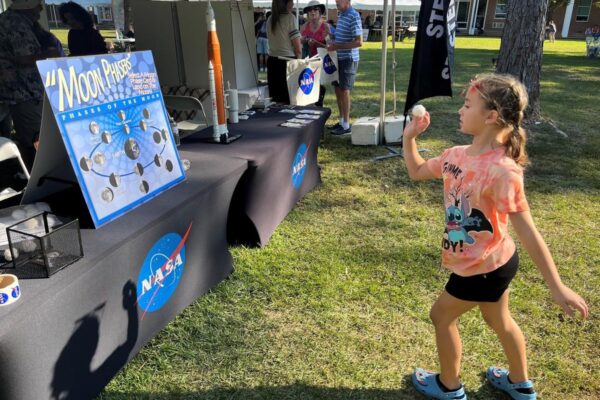
Apollo astronauts trained for the Moon in Alaska’s Valley of Ten Thousand Smokes, a volcanic wasteland that taught them field geology. Now Artemis builds on that legacy.