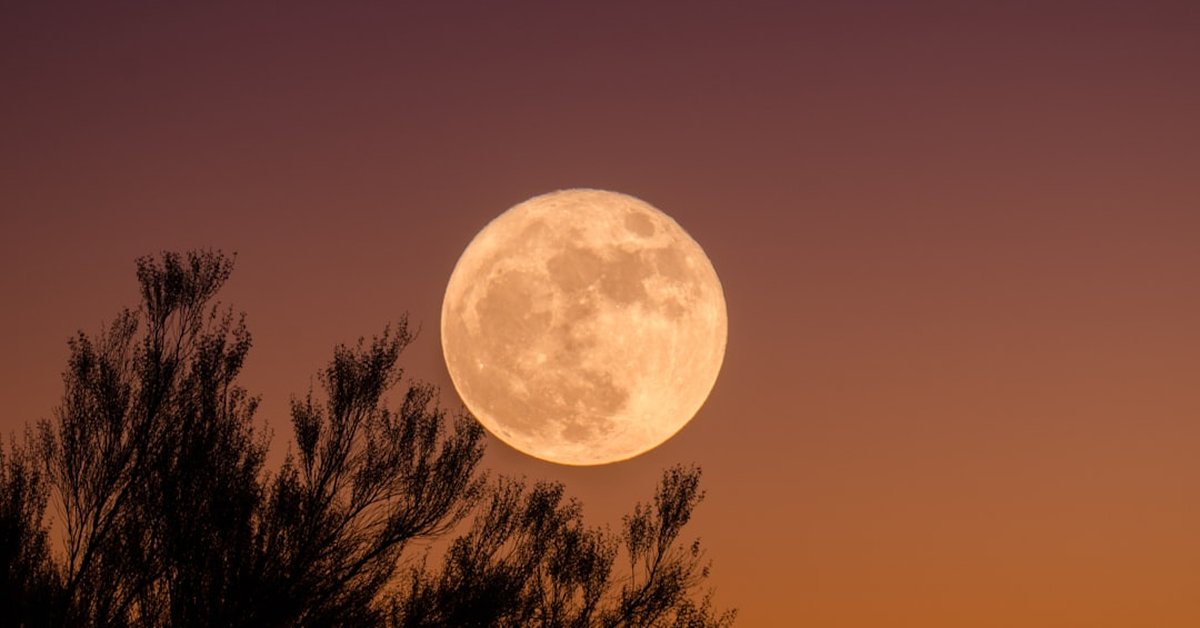








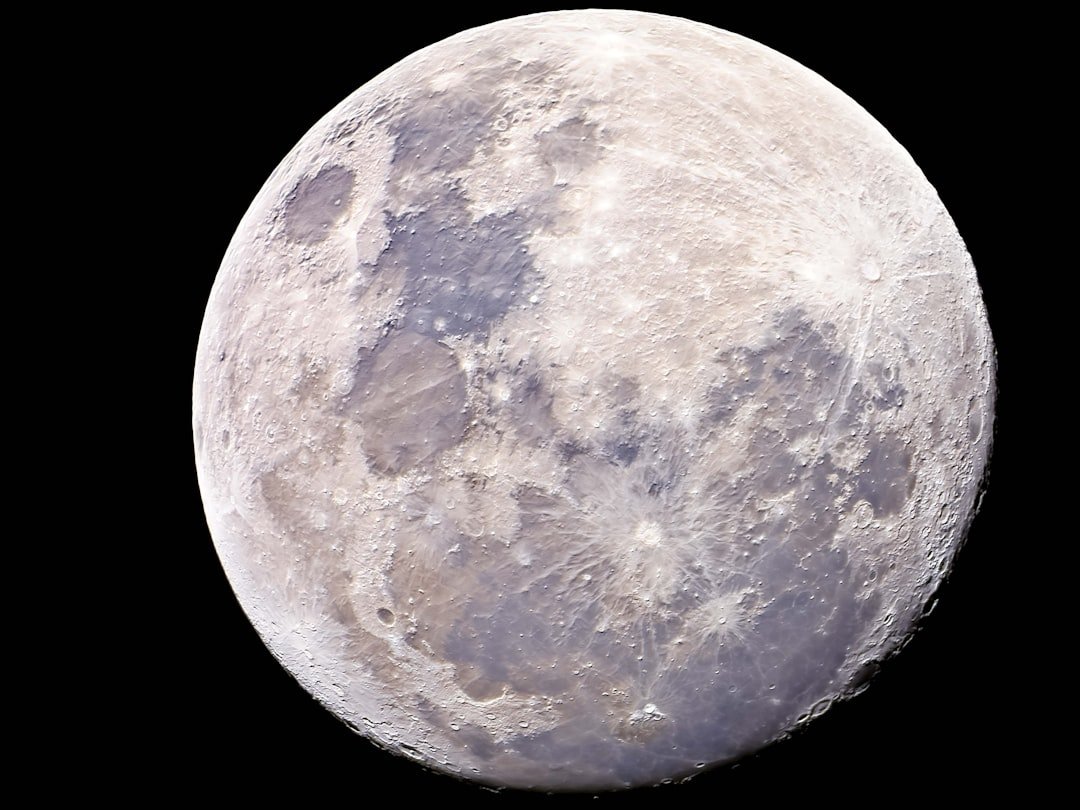
Imagine this: a regulation soccer ball, sitting in the lunar dust, having traveled 238,900 miles through space before a single player even kicks it into a goal on Earth. It sounds absurd, but that’s exactly the bet NASA‘s chief, Bill Nelson, laid down on Tuesday. In a video message aimed at Team USA players ahead of this year’s World Cup tournament, Nelson promised to send a soccer ball to the Moon if the United States wins it all. And for once, the promise might be more than just a publicity stunt—it’s a peculiar intersection of global sports enthusiasm and deep-space infrastructure that’s actually being built.
Look, the U.S. men’s national team hasn’t exactly been dominating the World Cup—they made it to the round of 16 in 2022, but that was the first time they’d advanced that far since 2014. So when Nelson said, “If you win the World Cup, NASA will launch a soccer ball to the Moon,” you could hear the collective eyebrow raise from Houston to Hawthorne. But here’s the thing: NASA is already going to the Moon. The Artemis program has a crewed lunar landing planned for 2025 or 2026—delays keep nudging it—and sending a ball up with a cargo load is, logistically, trivial. The real question is whether this will actually get Americans to care more about the space program.
“Sports have this uncanny ability to unite people across political and geographic lines, and NASA knows that,” says Dr. Elena Marchetti, a sports sociologist at the University of Texas at Austin who studies the cultural impact of space exploration. “When you tie a lunar mission to a World Cup victory, you’re not just promising a ball on the Moon. You’re promising that our national identity—our ability to win—extends beyond this planet.” She calls it a brilliant branding move, even if the logistics are secondary. “The promise itself is a symbol. It says: We are a nation that can do hard things, together.”
The Science (and Feasibility) of a Moon Shot Soccer Ball
Let’s be realistic about what this would actually involve. A standard size 5 soccer ball weighs about one pound and measures roughly 27 inches in circumference. That’s not insignificant in spaceflight terms—NASA typically pays about $10,000 per pound to launch payloads on commercial rockets. So we’re talking at least $10,000 just in launch costs, plus the engineering to make sure the ball doesn’t explode during ascent or freeze solid in the vacuum. But NASA has already sent golf balls to the Moon (Alan Shepard famously hit one during Apollo 14 in 1971), and they’ve flown commemorative items on countless missions. The ball would likely be stowed in a storage locker on a lunar lander, then deployed via a rover or astronaut during an EVA.
Dr. Marcus Webb, a planetary scientist at Rice University who has consulted on NASA’s lunar payload designs, told me the technical challenges are manageable. “The ball would need to be made of a material that can withstand extreme temperature swings—from minus 173 degrees Celsius at night to plus 127 during the day—and it would have to be vented so that any trapped air doesn’t cause it to burst during depressurization. But we’ve sent much more complex things to the Moon. A soccer ball is child’s play.” He noted that the bigger hurdle is certification: any object sent to the Moon must undergo contamination control to ensure it doesn’t carry Earth microbes that could muddy future biological experiments. “But that’s a paperwork issue, not a physics issue.”
NASA’s broader Artemis program is already setting the stage for a permanent presence on the lunar surface. The agency has selected SpaceX’s Starship as the human landing system, and they’ve contracted with several private companies to deliver science instruments and robotic rovers. A soccer ball would simply hitch a ride on one of these missions. But here’s where it gets interesting: the ball itself could serve as a public engagement tool. Imagine a live stream of the ball being placed on the lunar surface, with the U.S. team watching from Earth. That kind of viral moment could inspire a generation of kids to ask, “How did that ball get there?”—and maybe, just maybe, spark interest in STEM.
What a World Cup Win Would Mean for NASA (and Vice Versa)
Let’s be honest: the U.S. winning the World Cup is a long shot. The men’s team is ranked 11th in the world by FIFA, and they’ve never made it past the semifinals. The women’s team, on the other hand, has won four World Cups and is arguably the dominant force in international soccer—but Nelson’s promise was directed at the men’s team specifically. Or was it? The video message didn’t specify which team, but the tournament happening this year is the men’s World Cup in Qatar (yes, 2022 was in Qatar, and 2026 will be in North America, but the phrasing “this year’s World Cup tournament” aligns with the 2026 cycle). Regardless, the promise is aspirational.
This isn’t the first time NASA has interlaced sports with space. They’ve sent Olympic torches to the International Space Station, and they’ve used the Super Bowl to promote STEM education. But a World Cup tie-in is different—it’s global. The Artemis II mission, set to carry astronauts around the Moon in 2025, already has a massive public relations push. Adding a soccer ball to the mix could amplify that impact, especially in soccer-loving nations like Argentina, Brazil, and Germany. “NASA is competing for attention with every other entertainment option,” says Dr. Marchetti. “Tying themselves to the most watched sporting event on the planet is a no-brainer.”
But there’s also a deeper, more philosophical angle here. The four NASA scientists quietly shaping the future of space exploration aren’t the ones making these promises—they’re busy designing plasma thrusters and lunar habitats. Yet the public-facing hype matters because it sustains funding. The Artemis budget has faced scrutiny in Congress, and flagging public interest could lead to cuts. A World Cup victory narrative—even a hypothetical one—keeps the space program in the national conversation. And that’s a win, regardless of the score.
Could This Actually Happen? The Timeline
The 2026 World Cup is being co-hosted by the U.S., Canada, and Mexico, so if the U.S. team wins on home soil, the celebration would be massive. NASA’s current lunar landing timeline targets no earlier than 2026 for Artemis III, the first crewed touchdown. So the timing could sync up perfectly: the U.S. wins the World Cup in July 2026, and NASA launches a soccer ball aboard a lunar cargo mission later that year or in early 2027. The ball would arrive on the Moon within days of launch—most lunar transit times are about three to four days—and could be deployed during an astronaut EVA or via a robotic lander.
Dr. Webb cautions that the timeline is tight. “NASA doesn’t just throw things into a payload shroud without months of integration and testing. If they’re serious about this, they’d need to start designing the soccer ball payload now, even before the World Cup ends. Otherwise, the momentum is lost.” He envisions a special soccer ball with embedded temperature sensors and a small camera that could broadcast its own landing. “Then it’s not just a ball on the Moon—it’s a science instrument that students can track in real time.”
And then there’s the question of what happens to the ball after it’s there. Lunar dust is abrasive and electrostatic—it sticks to everything, including the surface of a ball. Within weeks, the ball would be coated in a fine gray powder. But it would remain a monument, presumably, for millennia. Unless NASA decides to kick it. (They won’t—astronauts in spacesuits can barely walk, let alone kick a ball without falling over. But the thought is amusing.)
What This Means for You
You might be wondering: why should I care about a soccer ball on the Moon? Because it’s a tangible symbol of what we can achieve when we aim high—literally. The Artemis program isn’t just about planting flags; it’s about building a sustainable presence on the Moon to test technologies for Mars. A soccer ball is a reminder that exploration isn’t just about science—it’s about play, about joy, about the human spirit. And if you’re a soccer fan, it gives you a horse in the race. Cheering for the U.S. team now comes with an extraterrestrial reward.
Of course, there’s a chance the U.S. won’t win. But even if they don’t, Nelson’s promise has already sparked conversations. It’s been covered by every major sports outlet, and it’s trended on social media. That’s the point. As Dr. Marchetti puts it, “NASA didn’t make this promise because they think the U.S. will win. They made it because they know the conversation itself is the prize.” So go ahead, watch the World Cup. And when the U.S. scores, just remember: that ball might someday be sitting next to a crater, waiting for a future astronaut to pick it up.
And if you’re curious about how NASA is transforming other aspects of your health (yes, space research trickles down into your daily life), check out how your sedentary lifestyle is quietly breaking your cells’ power plants—a study that draws on data from astronauts in microgravity. It’s all connected.
Frequently Asked Questions
Is NASA actually going to send a soccer ball to the Moon?
NASA’s chief, Bill Nelson, made a public promise to send a soccer ball to the Moon if the U.S. wins the World Cup. While no formal mission has been approved, the agency could easily include a ball as a payload on an existing lunar cargo mission under the Artemis program. The timeline would likely align with the 2026 World Cup and the planned Artemis III landing.
How would a soccer ball survive on the Moon?
The ball would need to be made of a material that can handle extreme temperature swings (from -173°C to +127°C) and be vented to prevent bursting during launch. It would also need to go through contamination control to avoid carrying Earth microbes. NASA has sent similar objects before, like golf balls during Apollo 14, so the engineering is straightforward.
When would this potentially happen?
If the U.S. wins the 2026 World Cup (hosted in North America), the ball could be launched as early as late 2026 or 2027, coinciding with the Artemis III crewed landing. NASA would need to start designing the payload soon to meet launch integration timelines.