






“Blue Origin is back in the game, and they’re signaling a renewed commitment to regular suborbital operations,” says Dr. Sarah Jenkins, space policy analyst at the Secure World Foundation. “After a quiet start to 2025, this is the boldest timeline we’ve heard yet.”
On June 2, Blue Origin CEO Dave Limp dropped a tantalizing update during a space industry conference in Colorado Springs: “We will fly again before the end of this year.” The statement, delivered with characteristic optimism, sent ripples through the space community and reignited hopes for a steady cadence of New Shepard missions after a period of relative silence.
But what does this mean for the company, its customers, and the broader space tourism market? Let’s break down the context, the challenges, and the road ahead.
The Long Pause and the Road Back
Blue Origin’s New Shepard program—the reusable suborbital rocket designed to carry tourists and researchers to the edge of space—has flown 26 times since its first uncrewed test in 2015. Yet the last flight, NS-26, occurred in August 2024. That mission carried six crew members, including a record-setting 90-year-old passenger, and was hailed as a technical success.
Then came a puzzling lull. While competitors like Virgin Galactic continued occasional flights and SpaceX focused on orbital launches, Blue Origin went quiet. Speculation grew: Were they upgrading the vehicle? Dealing with supply chain issues? Or pivoting resources to the much larger New Glenn rocket?
Dave Limp, who took the helm as CEO in late 2023, has been characteristically tight-lipped about specifics. But his June 2 remark, made during a panel on the future of commercial spaceflight, finally broke the silence. “We’ve been taking our time to ensure every system is as reliable as it can be,” he said. “But I can promise you—before the calendar flips to 2026, New Shepard will carry people again.”
The timeline is aggressive. With just over six months left in 2025, Blue Origin must complete vehicle refurbishment, regulatory approvals from the FAA, and a final crew training cycle. Industry insiders are cautiously optimistic.
What’s at Stake for Space Tourism
Blue Origin’s hiatus has left a noticeable gap in the suborbital tourism market. Virgin Galactic, which resumed flights in May 2025 after its own year-long pause, is now the only operational player. Yet demand for brief moments of weightlessness and Earth-viewing has not waned. Tickets for New Shepard—priced at an undisclosed amount but reportedly in the range of $250,000–$500,000—remain sold out through 2026.
“Limp’s announcement is a critical signal to investors and customers that Blue Origin hasn’t abandoned the suborbital market,” says Laura Forczyk, founder of space consulting firm Astralytical. “If they can deliver even one flight this year, it restores confidence that New Shepard is a long-term program, not a side project.”
The stakes go beyond tourism. New Shepard also flies scientific payloads—microgravity experiments, technology demonstrations, and student projects. A return to flight would unlock a backlog of research opportunities that have been on hold since late 2024.
“Every month of delay means lost data for scientists who rely on these short-duration flights,” notes Dr. Alan Stern, planetary scientist and former NASA associate administrator. “Blue Origin’s return is vital for the entire suborbital research community.”
Technical Hurdles and Competitive Pressure
While Limp’s confidence is reassuring, Blue Origin has a history of missing self-imposed deadlines. The company famously delayed the first crewed flight of New Shepard multiple times before finally launching in July 2021. More recently, the New Glenn orbital rocket—originally slated for a 2020 debut—has yet to reach orbit.
Yet the New Shepard program is more mature. The vehicle has flown successfully 24 times in a row after the NS-23 anomaly in September 2022, when an engine nozzle failure triggered an automatic abort. The capsule landed safely, and the FAA cleared the rocket to resume flights in December 2023.
“The technology is proven,” says former NASA astronaut Dr. Leroy Chiao. “The question is whether Blue Origin can maintain the production and operational tempo needed to support regular launches. One flight this year is a start, but to stay competitive they’ll need to ramp up to six or eight flights per year.”
Competition is heating up. Virgin Galactic has announced plans to increase flight frequency with its new Delta-class spaceships. Meanwhile, SpaceX’s Starship program, though focused on orbital and lunar missions, has sparked interest in point-to-point suborbital travel that could eventually overlap with New Shepard’s market.
Limp acknowledged the pressure during the panel: “We’ve never been a company that rushes. But the world is moving fast, and we need to move with it. That’s why I’m putting a stake in the ground for a 2025 flight.”
Looking Ahead: What the Next Flight Could Look Like
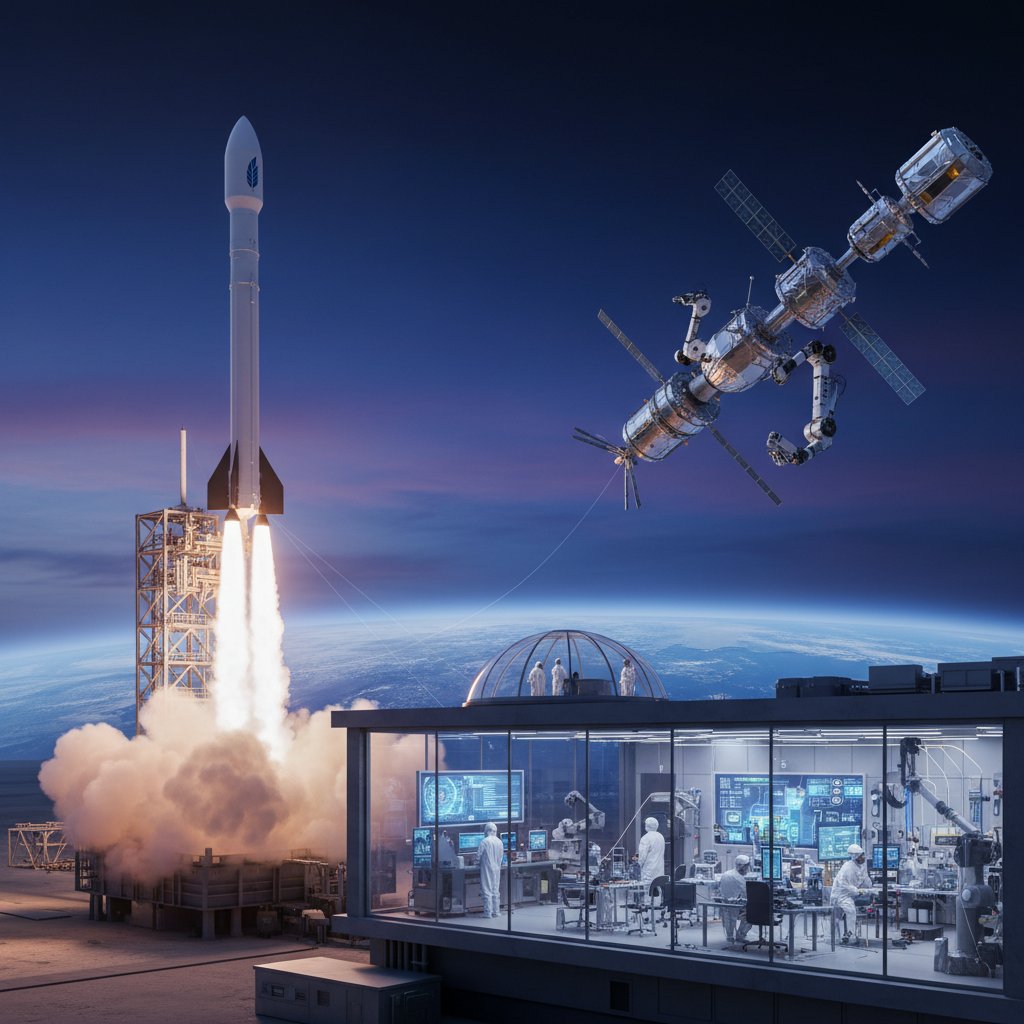
So what can we expect from Blue Origin’s next mission? Based on the company’s usual pattern, it will likely be a crewed flight with six passengers, including one or two “mission specialists” who may be paying customers or invited guests. The flight profile will be identical to previous missions: an 11-minute ride to over 100 kilometers altitude, a few minutes of microgravity, and a parachute-assisted landing in West Texas.
Blue Origin has not announced whether the flight will carry scientific payloads, but given the backlog, it’s plausible that a few experiments will be on board. The company may also use the flight to test upgrades to the capsule’s life support system or landing accuracy.
Beyond 2025, Limp hinted at longer-term ambitions: “New Shepard is our workhorse. But we’re also looking at how we can evolve the vehicle—maybe longer-duration flights, maybe different trajectories. The suborbital market is just getting started.”
For now, the space community watches the calendar. If Blue Origin meets its self-imposed deadline, it will mark a triumphant return for a company that has often been overshadowed by its rivals. If it slips, the whispers of irrelevance will grow louder.
One thing is certain: Dave Limp has thrown down the gauntlet. The countdown to the next New Shepard launch has begun.