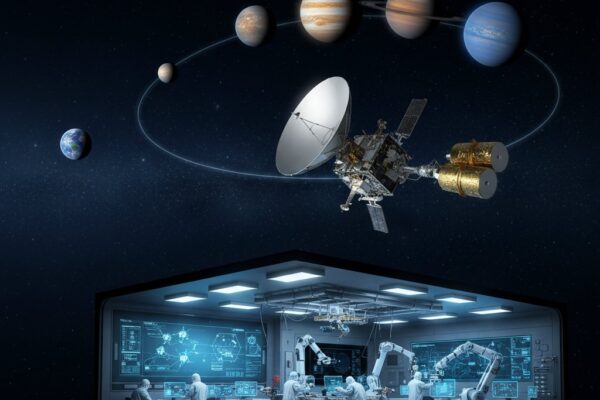
Voyager 2 at 49: The Only Spacecraft to Visit All Four Giant Planets
Voyager 2, launched in 1977, is the only spacecraft to visit Jupiter, Saturn, Uranus, and Neptune. Now 49 years old, it continues to send data from interstellar space.









Voyager 2, launched in 1977, is the only spacecraft to visit Jupiter, Saturn, Uranus, and Neptune. Now 49 years old, it continues to send data from interstellar space.
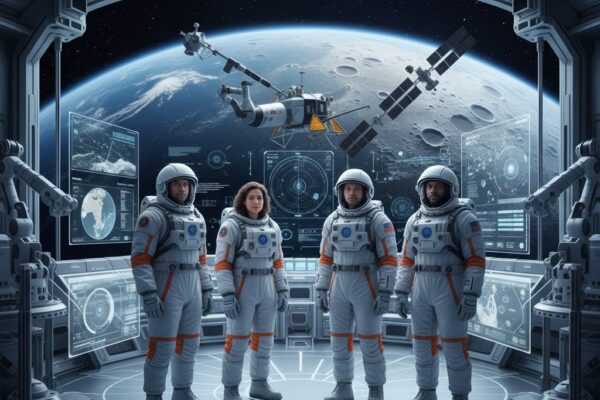
NASA announces the four astronauts of Artemis III, including the first woman to land on the Moon. The mission targets the lunar south pole in 2026 for science and resource exploration.
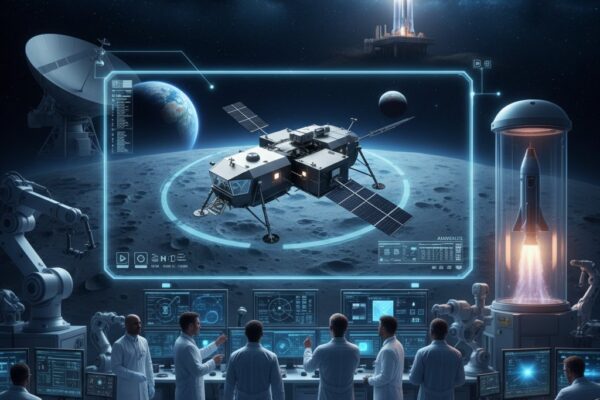
NASA’s Artemis III announcement stream reveals landing plans near the Moon’s south pole for a 2025 mission. Live updates on crew, lander, and scientific goals.
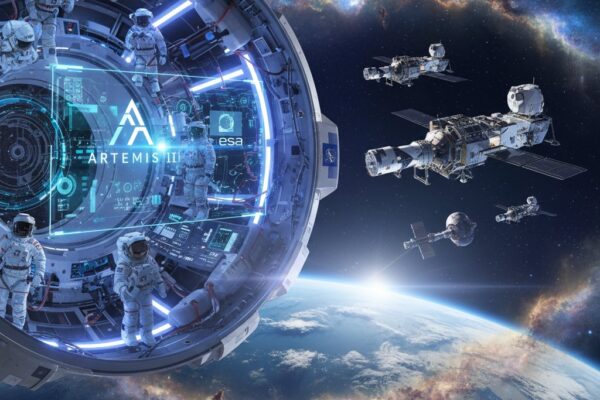
ESA officially partners with NASA for Artemis III, providing the European Service Module and scientific instruments for the first crewed lunar landing since 1972. Learn how this collaboration reshapes space exploration.

As AI approaches autonomous scientific discovery, questions of patent rights and credit emerge. Explore the legal and ethical future of AI-owned knowledge.
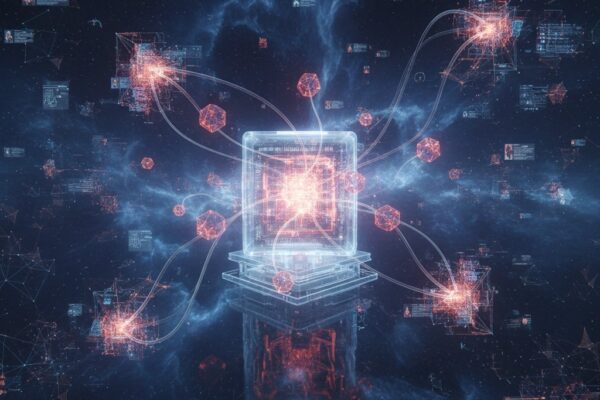
By 2026, human-generated data for AI training may run out. Explore model collapse, synthetic data risks, and the future of machine learning in a post-human-data world.
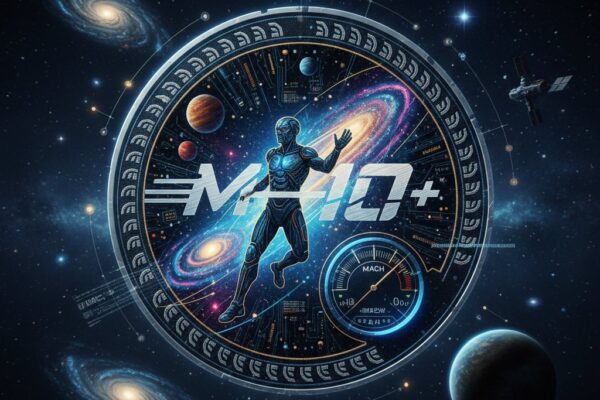
NASA’s new patch lets astronauts measure their speed in Mach from space, solving a decades-old challenge. Learn how it works and what it means for future missions.
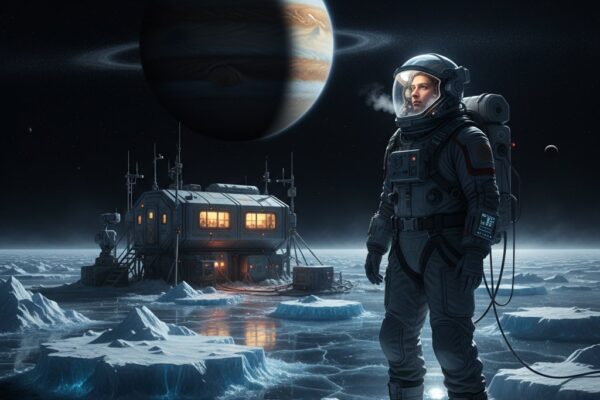
What would it feel like to stand on Europa? Extreme cold, lethal radiation, and a fractured ice landscape. A planetary scientist explains the visceral reality of Jupiter’s moon.
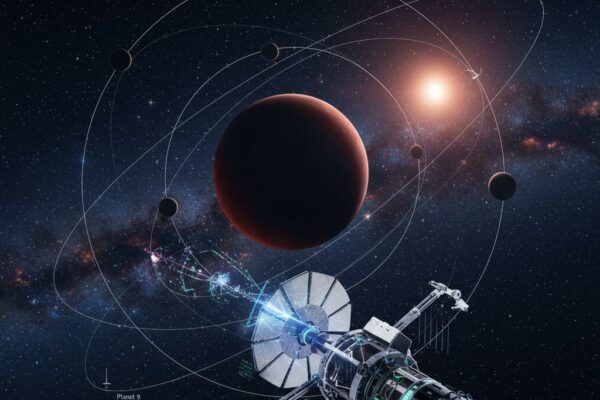
TrES-2b, the darkest exoplanet, reflects less than 1% light. Could Planet 9 be similarly elusive? And what would its discovery mean for the Nice Model?
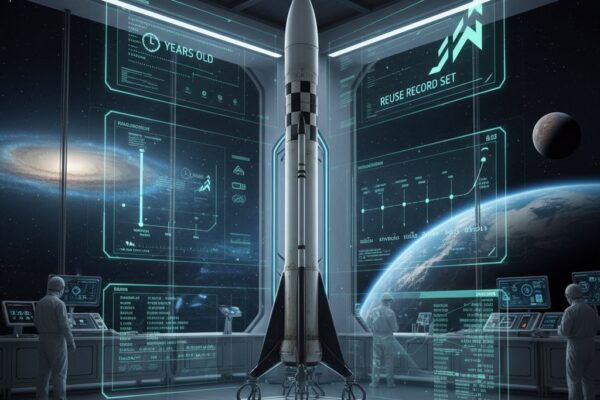
A Falcon 9 booster turns five years old and sets a reuse record of 22 flights. Discover how this milestone cuts launch costs and transforms space access for everyone.
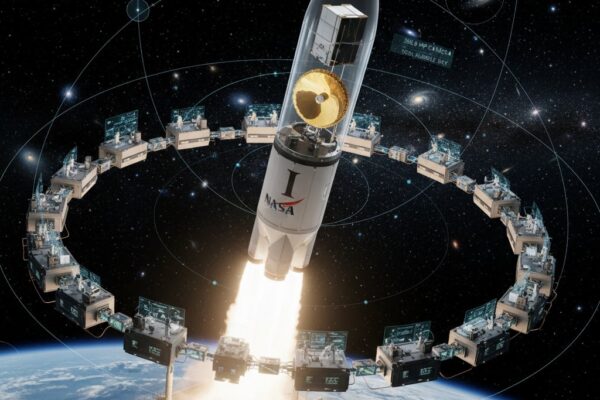
NASA’s Roman Space Telescope launches August 30, eight months ahead of schedule. Its 300.8-megapixel camera captures 100 times more sky than Hubble in one shot.
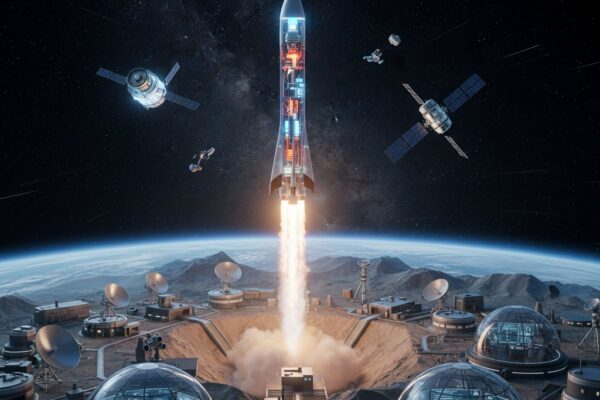
A firsthand account of a Falcon 9 rocket launch reveals how satellite technology affects daily life, from internet to GPS, and what the future holds for space access.