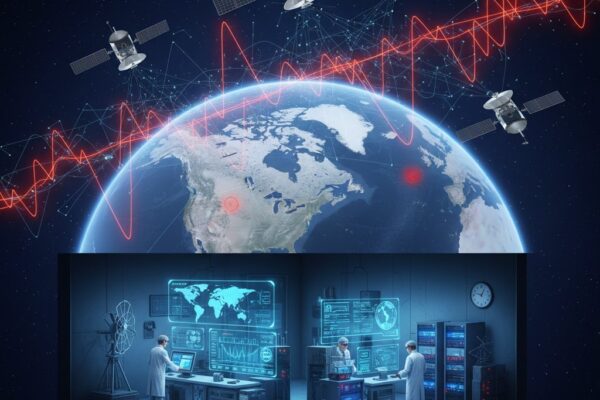
Russian GPS Jamming Peaks During Work Hours, New Study Reveals
New study reveals Russian satellites jam GPS signals during business hours, disrupting aviation, shipping, and everyday navigation. Learn the impact and what it means for you.







New study reveals Russian satellites jam GPS signals during business hours, disrupting aviation, shipping, and everyday navigation. Learn the impact and what it means for you.
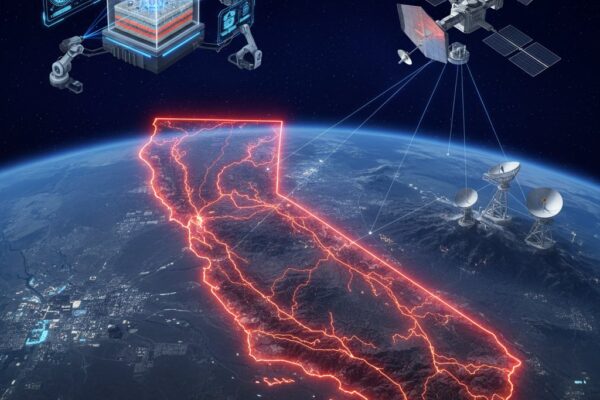
California’s earthquake faults are under their highest stress in 1,000 years, a new study finds. But scientists say this doesn’t mean the ‘Big One’ is imminent—yet.
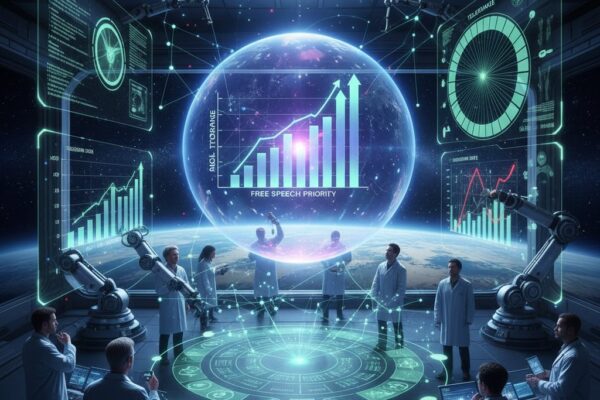
New research reveals people who prioritize free speech show higher racial and ethnic tolerance, except toward right-wing extremists. Education amplifies the effect.
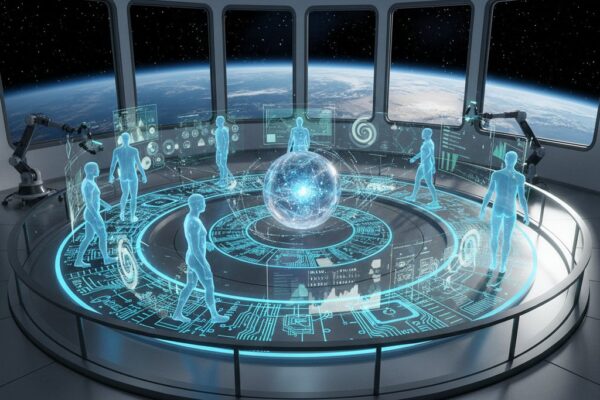
Humans unconsciously drift left and walk anticlockwise across all ages, sexes, and countries. Scientists are still unsure why this universal bias occurs.
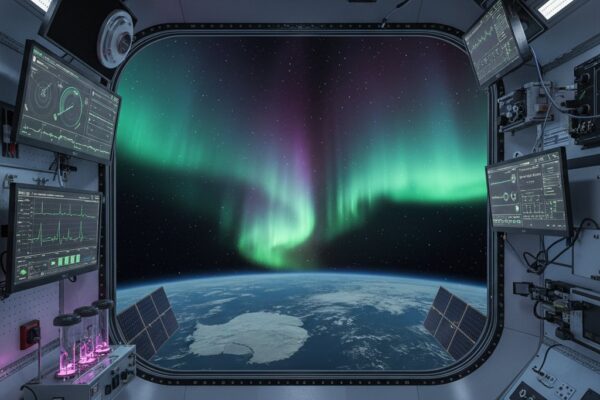
A stunning timelapse of the aurora australis filmed from SpaceX’s Dragon capsule offers a unique perspective on Earth’s southern lights, revealing their scale and beauty.
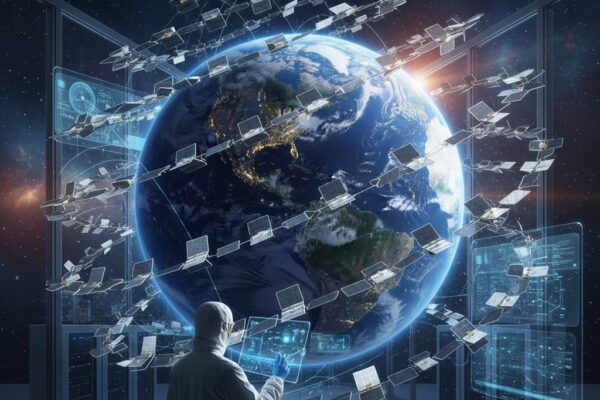
Explore the impact of Starlink’s 4,500+ satellites: how they bring internet to remote areas, disrupt astronomy, and change our night sky forever.
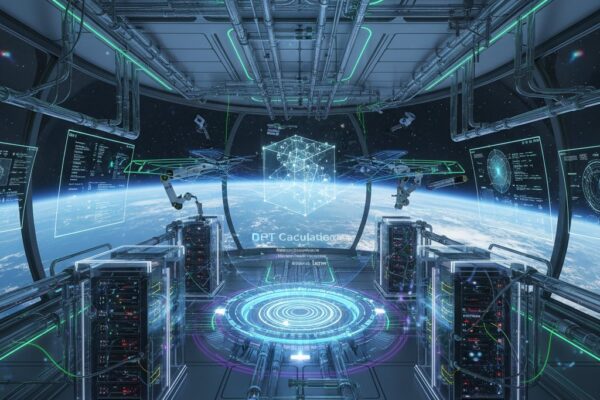
Explore how DFT calculations and the init_lapw code in WIEN2k enable precise predictions of material properties, from battery cathodes to superconductors, reshaping materials science.
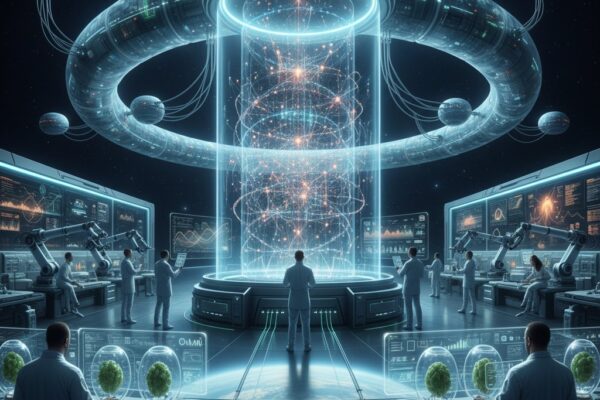
As AI decouples labor from survival, the risk of civil unrest grows. Explore historical precedents, policy solutions like UBI, and what the transition means for society.
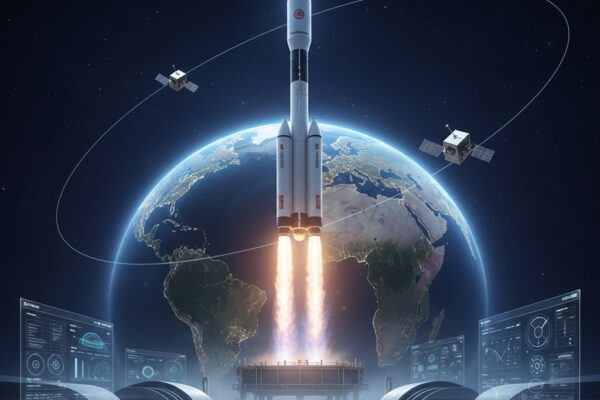
China’s LandSpace Zhuque-2E Y6 methane rocket launches two satellites on Tuesday, marking a milestone in commercial spaceflight and reusable rocket tech.
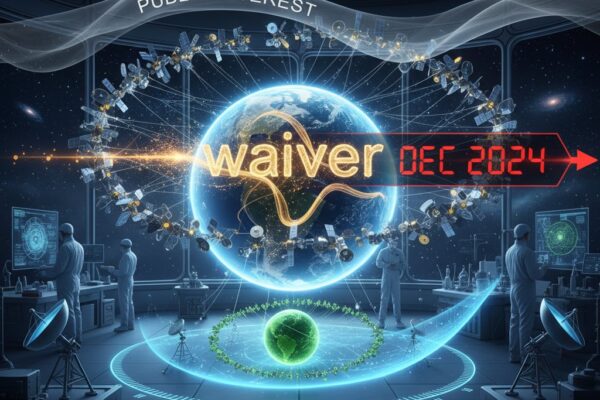
FCC lifts Amazon’s Project Kuiper satellite deadline, allowing more time to build a second LEO broadband constellation. Competition against Starlink may lower costs and expand global internet access.
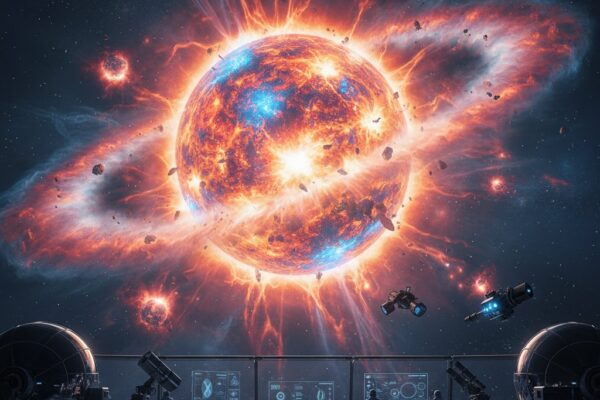
Astronomers have observed one of the rarest supernovae ever: a giant star destroying itself in a pair-instability explosion, challenging stellar evolution models and seeding the cosmos with heavy elements.
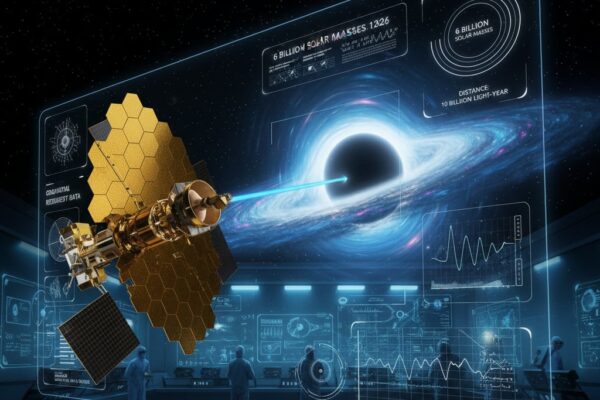
The James Webb Space Telescope has weighed a dormant supermassive black hole from 10 billion light-years away, revealing it to be 6 billion times the mass of our Sun.