
UK’s Climate Whiplash: Why Drought and Heat Waves Are the New Normal
UK climate whiplash: drought and heat waves rapidly swing to floods. What causes it, how the jet stream is changing, and what you can do to prepare.









UK climate whiplash: drought and heat waves rapidly swing to floods. What causes it, how the jet stream is changing, and what you can do to prepare.
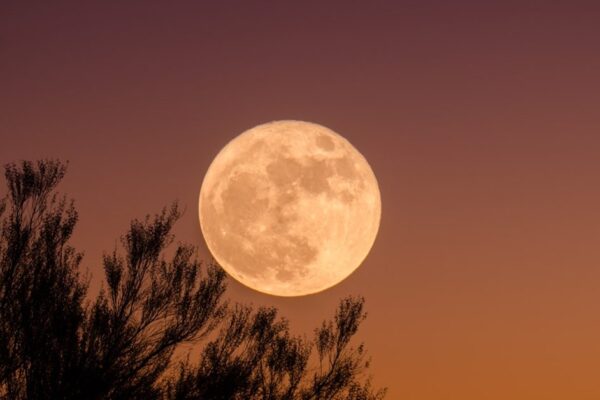
Discover how the August Buck Moon and Belt of Venus reveal Earth’s shadow. Dr. Olivia Grant explains the science behind this stunning celestial duo.
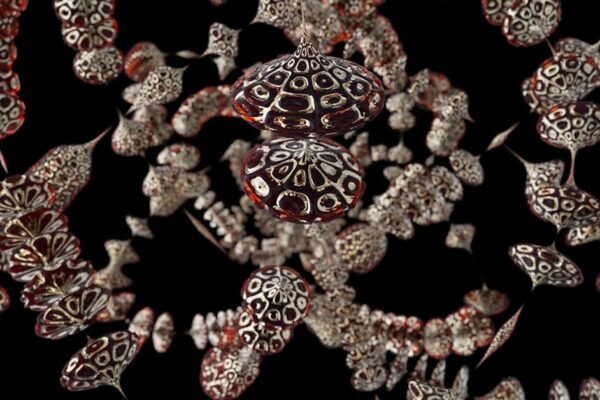
New DNA from 500-year-old Chilean mummies suggests ancient smallpox was milder than the modern killer. How the virus evolved to become a global scourge.
Dark nebulae like the Dark Doodad are star nurseries, not empty voids. Discover the science behind the APOD image of NGC 4372 and the Dark Doodad, and how to see it yourself.
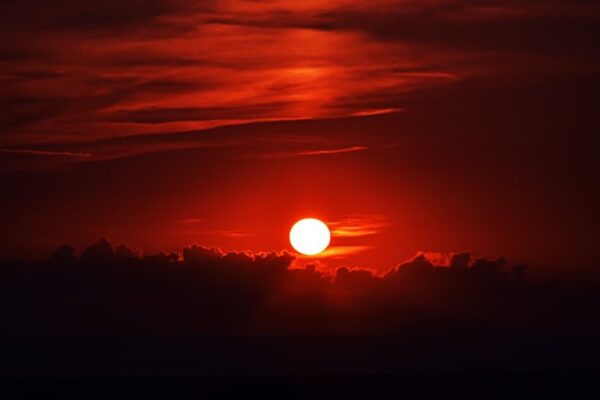
Why wildfire smoke turns the sun red at midday—and what that tells you about air quality, fire season trends, and your health. Science you can see.
NASA’s 2026 NIAC awards fund radical propulsion concepts, including a pulsed plasma rocket that could cut Mars travel time to 45 days. Analysis of the 18 Phase I winners and what they mean for space exploration.

Germany’s Bundeswehr is exploring a dedicated launch facility for military satellites. What this means for European space defense, strategic autonomy, and the future of security in orbit.
Two of Link’s three reaction wheels fail, leaving the Swift rescue mission spinning. Analysis of the crisis, its implications for space servicing, and what it means for you.
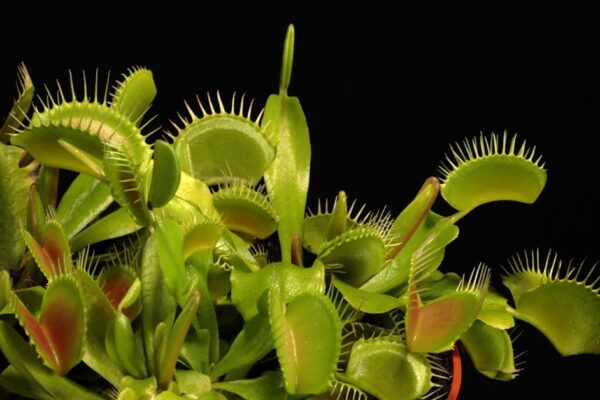
A County Tyrone volunteer group reports real progress eradicating giant hogweed, the UK’s most dangerous plant. What this means for public safety and wild spaces.

Lightning-sparked fires are choking Oregon with smoke again, signaling a troubling shift in fire behavior that hits your health and wallet.
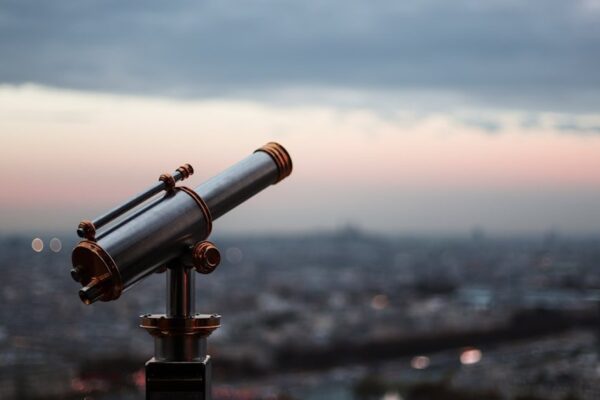
The UK’s iconic Jodrell Bank Observatory faces funding cuts that could shut down the Lovell Telescope and e-MERLIN, threatening a generation of radio astronomers. What this means for science.
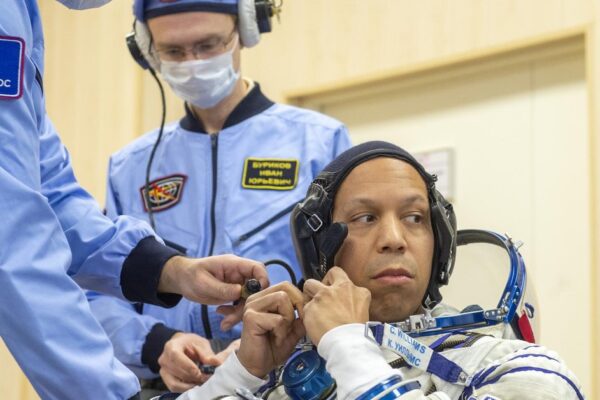
NASA astronaut Chris Williams returns from 8 months on the ISS. Beyond the landing, the real story is the microgravity science that could change medicine and materials back on Earth.