Why Maine’s Sandy Shorelines Turn Jagged at Portland
Maine’s coastline splits dramatically at Portland: sandy beaches to the west, rocky cliffs to the east. Geology and sediment distribution explain the contrast and shape coastal hazards.








Maine’s coastline splits dramatically at Portland: sandy beaches to the west, rocky cliffs to the east. Geology and sediment distribution explain the contrast and shape coastal hazards.
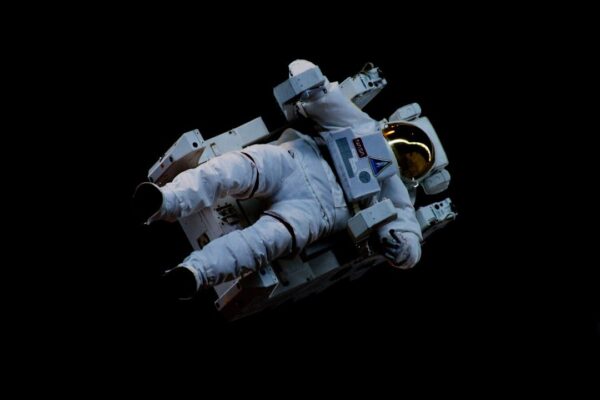
NASA plans to rescue the Swift telescope from orbital decay by boosting it with a robotic spacecraft. This mission could revolutionize satellite servicing and space sustainability.

ESA is studying human-rating the Ariane 6 rocket to launch European astronauts. Discover the technical hurdles, costs, and timeline for crewed flights by 2031.

A massive sibling study of over 120,000 children finds no link between prenatal paracetamol (acetaminophen/Tylenol) use and ADHD or autism, challenging earlier warnings.
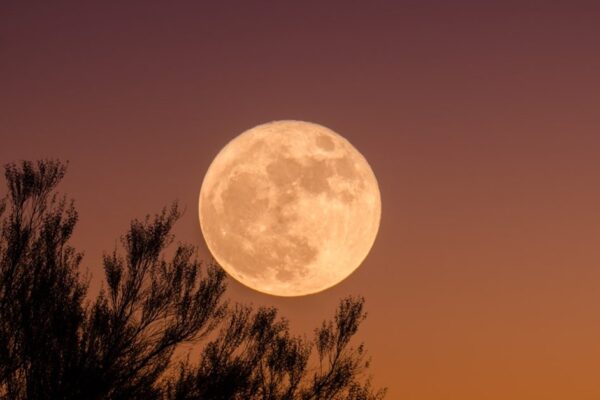
Discover how the August Buck Moon and Belt of Venus reveal Earth’s shadow. Dr. Olivia Grant explains the science behind this stunning celestial duo.

New modeling from University of Melbourne and CSIRO pinpoints priority zones to save Australia’s endangered alpine ash from climate change and bushfires, offering a conservation roadmap.

Knees pose the biggest challenge for consumer exoskeletons, but also the greatest opportunity. Learn how biomechanics and robotics are revolutionizing mobility aids for everyday life.
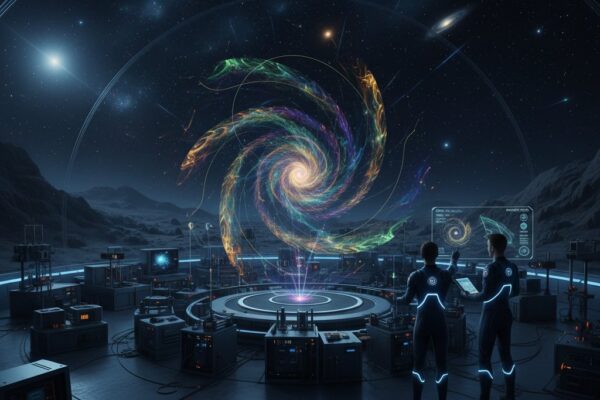
NTU Singapore scientists revive the 200-year-old Poisson spot phenomenon to create stable, hedgehog-like optical skyrmions. Simple setup, big implications for light manipulation.

Explore cosmos from browser: ride Voyager 2 past Neptune, stand on Moon, see 2026 eclipse. No sign-up, no ads, no tracking. Free 3D map.

New research identifies black hole mergers as the cause of massive galaxies that formed stars rapidly then abruptly stopped, solving a long-standing cosmic mystery.
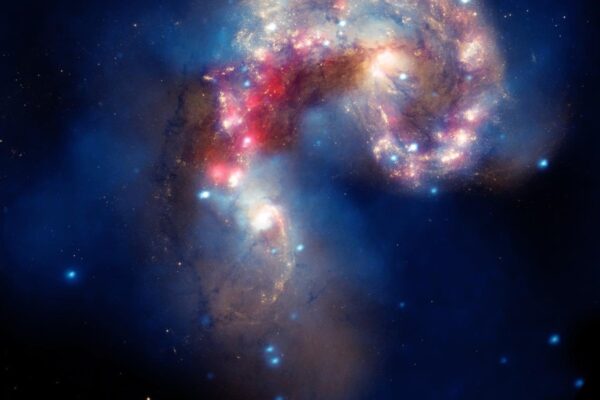
NASA’s Chandra X-ray Observatory unveils four cosmic images and three sonifications in red, white, and blue to celebrate the US 250th anniversary — blending science, art, and national pride.
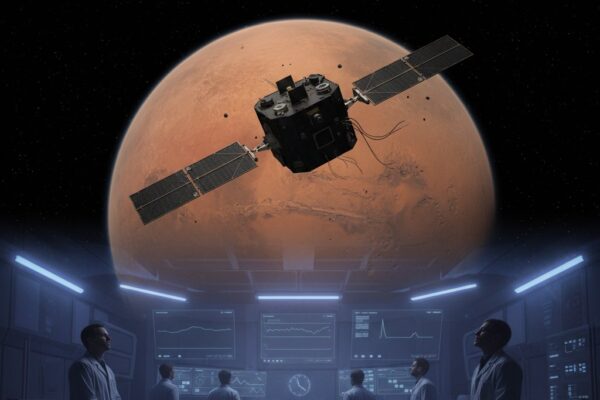
After six months of radio silence, NASA declares its Mars MAVEN spacecraft officially dead. The orbiter unlocked secrets of Mars’ atmosphere loss but succumbed to a star tracker failure.