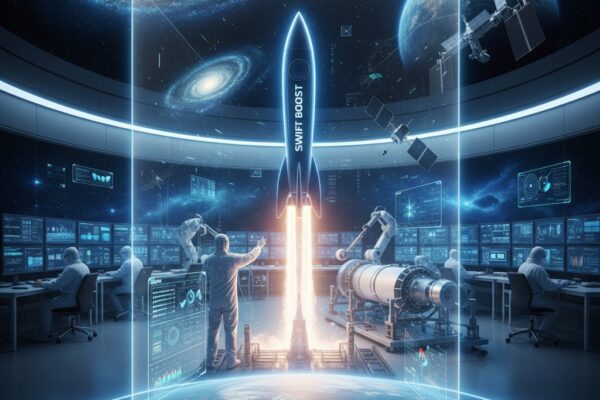
NASA’s Swift Observatory Gets a Boost: June Launch Set to Extend Mission
NASA’s Swift observatory gets a June 30 launch for an orbital boost mission. Extend the telescope’s life by a decade. Learn how it works and why it matters.









NASA’s Swift observatory gets a June 30 launch for an orbital boost mission. Extend the telescope’s life by a decade. Learn how it works and why it matters.
Over 500 students in 8 states designed Venus rover missions for the NESSP ROADS National Challenge. See how this NASA program is building the next generation of explorers.
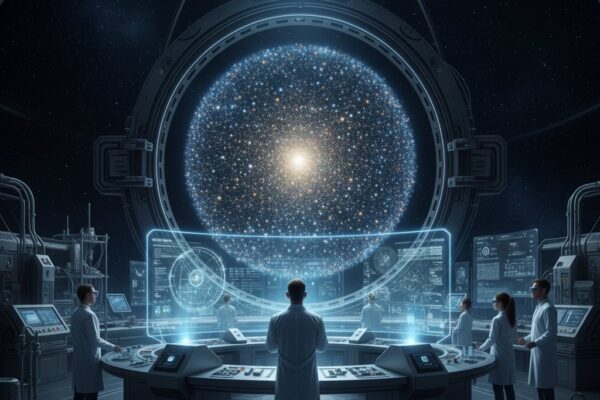
Omega Centauri, the Milky Way’s largest globular cluster, may be the stripped core of a dwarf galaxy. New Hubble and JWST data reveal an intermediate-mass black hole and ancient stars.
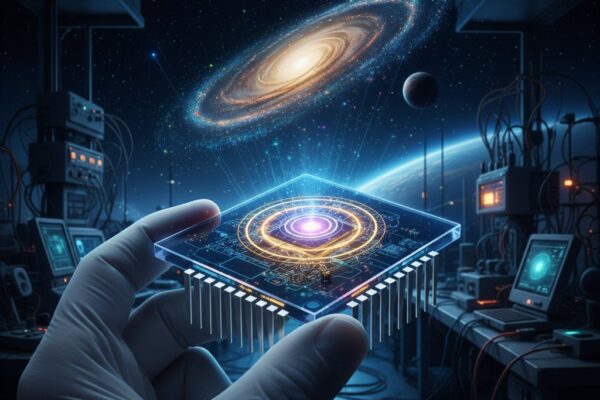
Scientists develop a nanoscale circuit that generates and processes light-based information at room temperature, offering a path to ultrafast, energy-efficient optical computing.
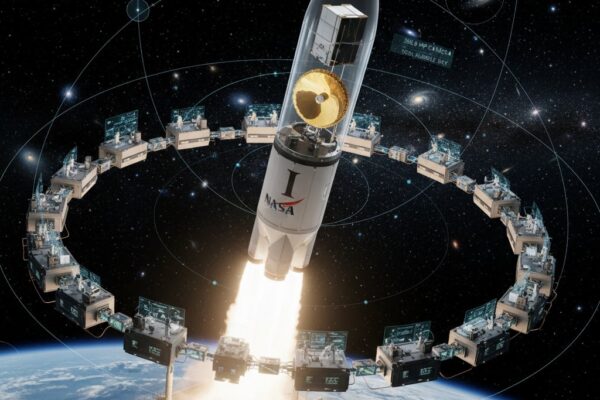
NASA’s Roman Space Telescope launches August 30, eight months ahead of schedule. Its 300.8-megapixel camera captures 100 times more sky than Hubble in one shot.

A rare meteorite found in Antarctica provides isotopic evidence of a giant protoplanet that existed in the early solar system, reshaping our understanding of planetary formation.
FCC lifts Amazon’s Project Kuiper satellite deadline, allowing more time to build a second LEO broadband constellation. Competition against Starlink may lower costs and expand global internet access.
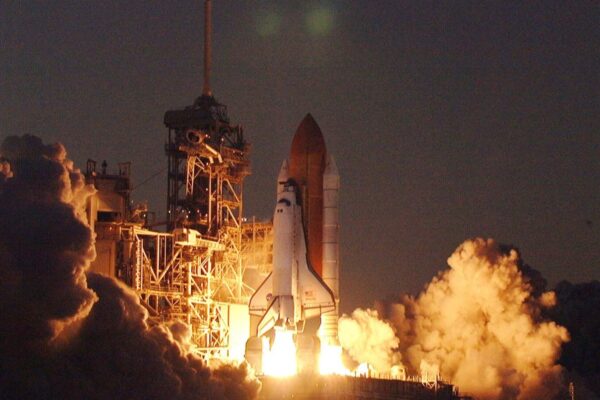
NASA announced three robotic moon missions to scout water ice, test 3D printing, and shield radiation for a planned 2029 lunar base.

Discover the 2024 Puerto Rican Parade in Chicago—its history, cultural significance, engineering of floats, and how climate change is reshaping this iconic celebration.

The WHO declares the MV Hondius hantavirus outbreak over after three deaths and a global health alert. Learn how the virus spread, the investigation, and what it means for future travel.
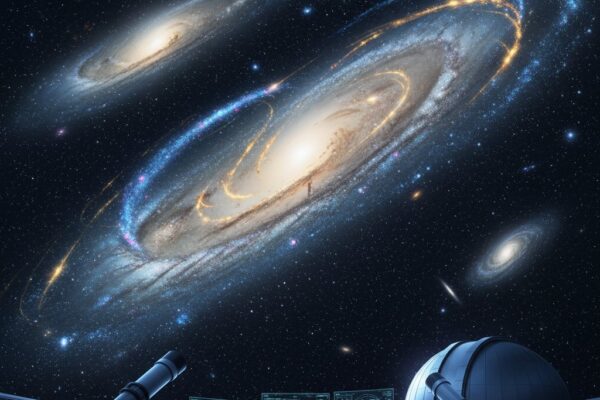
New research reveals the Milky Way’s ancient collision with Gaia-Enceladus rewired its structure. Now, the Andromeda Galaxy is on course to merge with ours in 4.5 billion years.
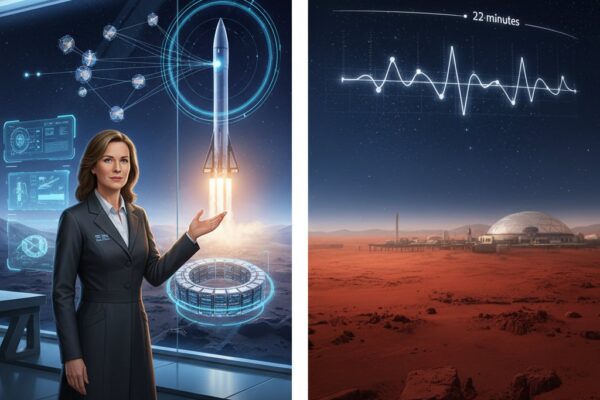
SpaceX president Gwynne Shotwell reveals plans for Starship-powered orbital data centers, Starlink expansion, and a realistic timeline for Mars colonization in a new interview.