






Every June, the streets of Chicago’s Humboldt Park explode with a riot of red, white, and blue. But for the hundreds of thousands who line the route of the Puerto Rican Parade, the question isn’t what is being celebrated—it’s why this event has become an anchor of identity for a diaspora community spread across the Midwest.
The answer stretches back nearly six decades and reaches all the way to the Caribbean. The Puerto Rican Parade of Chicago is not merely a festival; it is a living archive of migration, resilience, and the quiet science of cultural survival.
A Parade Born from Struggle
The first Puerto Rican Parade in Chicago was held in 1966, less than two decades after the first major wave of Puerto Ricans arrived in the city. Many came under labor contracts to work in factories and foundries—a migration that historian Dr. Elena Vargas of the University of Illinois at Chicago describes as both an economic necessity and a cultural rupture.
“The parade was never just about music and floats,” says Dr. Vargas. “It was a public declaration that Puerto Ricans were not invisible. It was about claiming space in a city that often pushed them to the margins.”
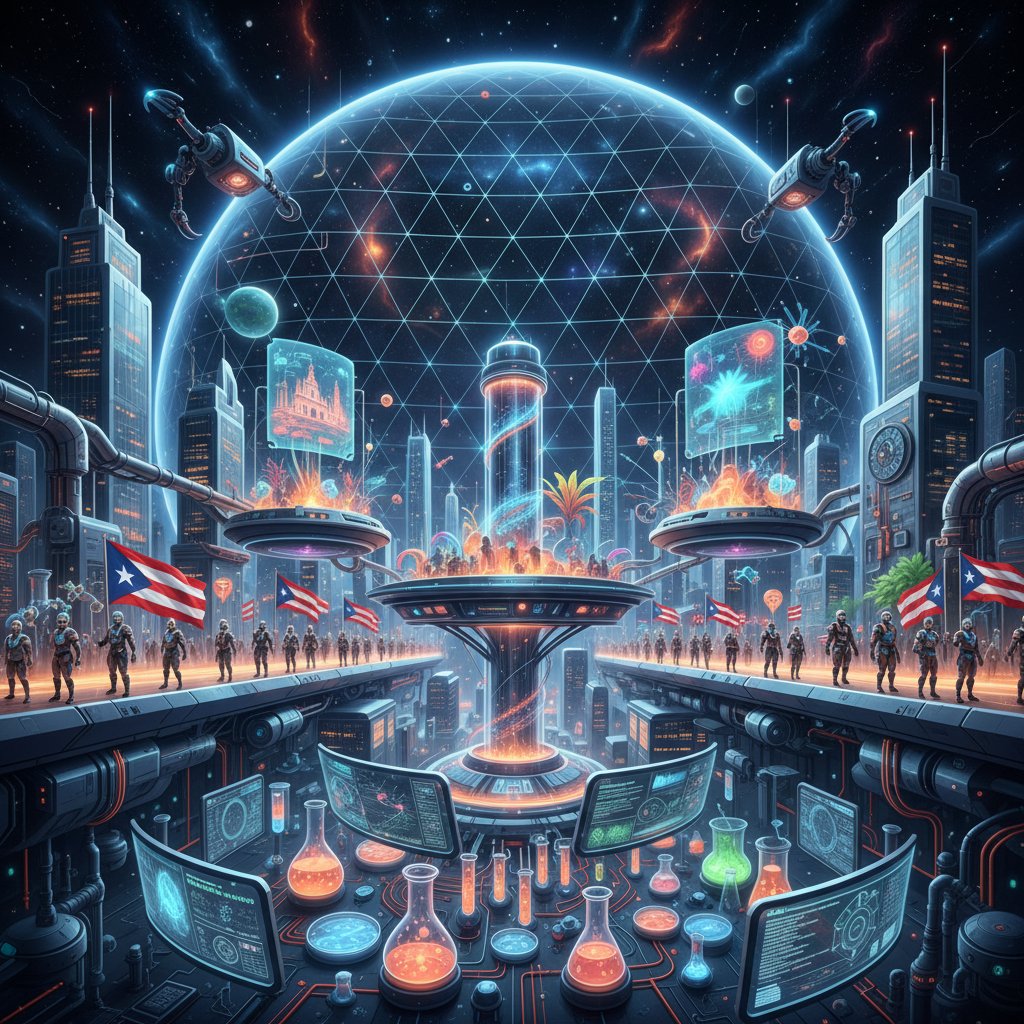
By the 1970s, the parade had become a stage for political expression, especially around the issue of Puerto Rican independence and the status of the island as a U.S. territory. The iconic Puerto Rican flag—which features a single white star—was sometimes banned from schools, making its public display during the parade an act of defiance.
Today, the parade attracts over 200,000 attendees annually, according to the Puerto Rican Parade Committee of Chicago. It is one of the largest ethnic parades in the city and a cornerstone of Midwest Latino heritage.
The Science of a Float: Engineering Culture on Wheels
Behind the glitter and the blaring salsa beats lies a surprising amount of engineering. Parade floats must meet city safety regulations, support heavy sound systems, and often incorporate intricate moving parts—from hydraulic lifts to flame effects.
“Designing a parade float is like building a temporary building on wheels,” explains Miguel Torres, lead engineer for the float design team at the Puerto Rican Cultural Center. “You have to account for weight distribution, wind loads, and emergency exits. And you have to do it on a budget.”
Torres notes that the most challenging aspect is integrating the cultural motifs—such as the vejigante masks from Puerto Rican folk festivals—into structures that can withstand a six-mile parade route. “We use lightweight composites and careful bracing. The masks alone can weigh forty pounds, but they have to be visible from blocks away.”
The parade’s reliance on modern materials and design principles is a subtle example of how tradition adapts through technology. Without the engineering behind the floats, the visual storytelling that connects Chicago’s Puerto Ricans to their island roots would be impossible.
Climate Change Hits the Parade Route
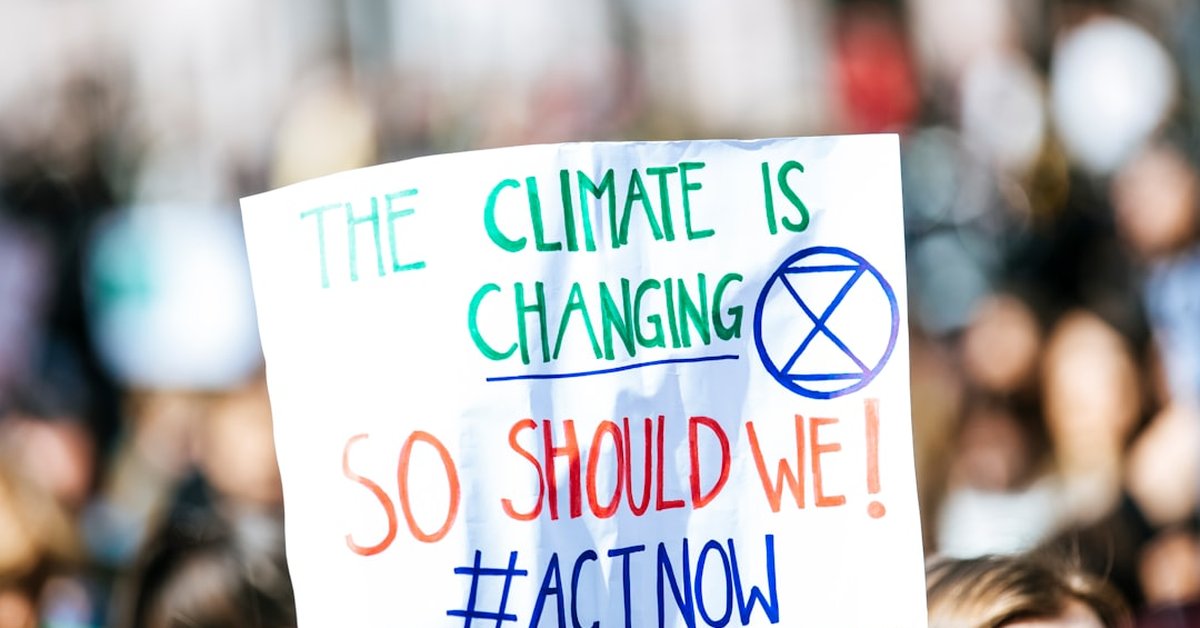
In recent years, the parade has faced a new challenge: the weather. Chicago’s summers have become hotter and more unpredictable, with heat indexes frequently exceeding 100°F (38°C) during June. In 2023, the parade was moved to a later start time to avoid the peak afternoon sun.
“We have to think about heat stress, dehydration, and even air quality,” says Rosa Martínez, a community health worker who coordinates first aid stations along the route. “We now set up cooling tents and distribute thousands of water bottles. It’s a climate adaptation that we never needed twenty years ago.”
Martínez’s observations align with climate data from the National Oceanic and Atmospheric Administration (NOAA), which shows the Midwest warming 1.5 times faster than the global average. For outdoor events like the parade, this means that the very atmosphere is changing the way people celebrate.
The parade’s organizers have also begun to consider the environmental footprint of the event. Float builders are exploring electric-powered vehicles and biodegradable confetti. “We want to honor our culture without harming the planet that our ancestors came from,” says parade director Carlos Reyes.
Why the Parade Matters Now
The Puerto Rican Parade is often dismissed as a purely festive occasion—a day off for dancing and eating pinchos. But for a community that has weathered economic displacement, gentrification, and the ongoing struggle for political recognition in Puerto Rico itself, the parade serves as a periodic recalibration of identity.
“When you march in the parade, you are walking in the footsteps of your grandparents,” says Dr. Vargas. “It’s a way of saying: we are still here, and we bring our history with us.”
This year’s parade, scheduled for June 15, 2024, will feature over 60 floats, dozens of folk dance troupes, and the traditional crowning of the Puerto Rican Queen. Organizers expect record attendance as post-pandemic crowds return to public gatherings.
The parade also has economic ripple effects. Local restaurants sell out of mofongo and arroz con gandules. Small businesses along the route double their revenue. A 2022 study by the Chicago Latino Research Institute estimated that the parade generates $12 million in economic activity for the Humboldt Park neighborhood alone.
Looking Ahead: A Parade for a Changing World
As climate change reshapes the Midwest and the political status of Puerto Rico remains unresolved, the parade will inevitably evolve. Organizers are already discussing virtual participation options for relatives on the island who cannot afford to travel, and hybrid formats that could stream the event globally.
“The parade is about connection,” says Reyes. “If we can connect people through technology, through engineering, through better preparation for the weather, then we are doing what Puerto Ricans have always done: adapt and persist.”
In its sixth decade, the Puerto Rican Parade of Chicago is no longer just a line of floats and flag-wavers. It is a living laboratory for how a diaspora community preserves its identity while confronting the real-world forces of climate, economics, and time.