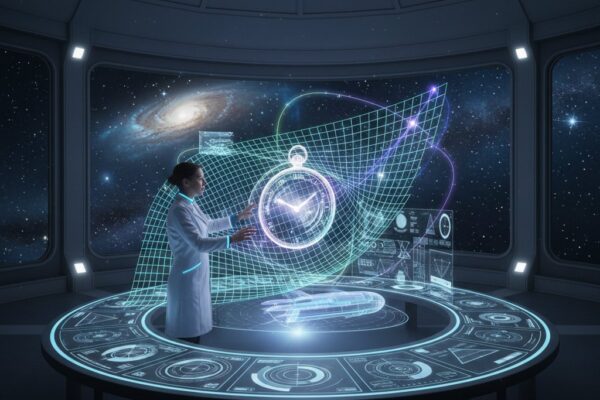
Free Interactive App Makes Einstein’s Relativity Intuitive
A new free interactive app, Relativizer, lets anyone explore Einstein’s special relativity visually. Drag objects to near-light speed and see time dilation, length contraction, and more.







A new free interactive app, Relativizer, lets anyone explore Einstein’s special relativity visually. Drag objects to near-light speed and see time dilation, length contraction, and more.
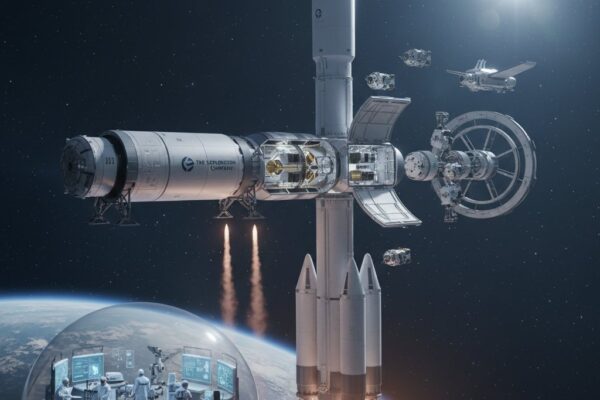
The Exploration Company is developing a reusable heavy-lift rocket named Nyx, aiming to cut launch costs and make space accessible. Test flights planned for 2025.
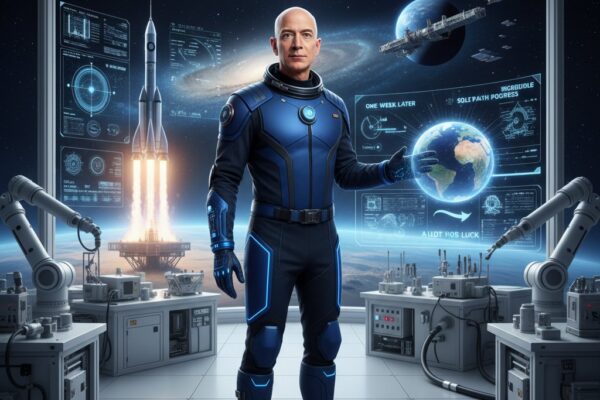
Jeff Bezos reveals Blue Origin’s New Glenn rocket making ‘incredible progress’ toward first orbital launch this year. What it means for satellite internet, competition, and space access.
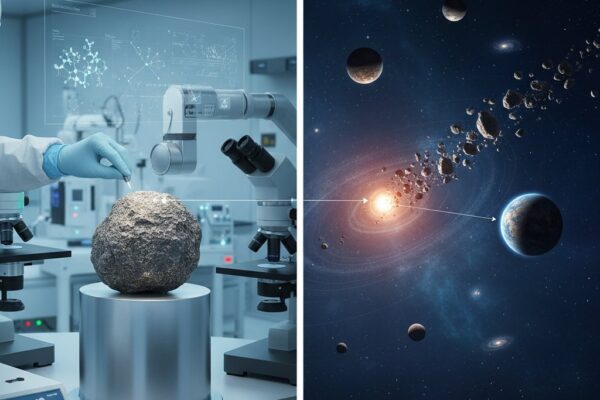
A meteorite discovered in the Sahara desert could be the first evidence of a lost planet from the early solar system, offering unprecedented insights into planetary formation.
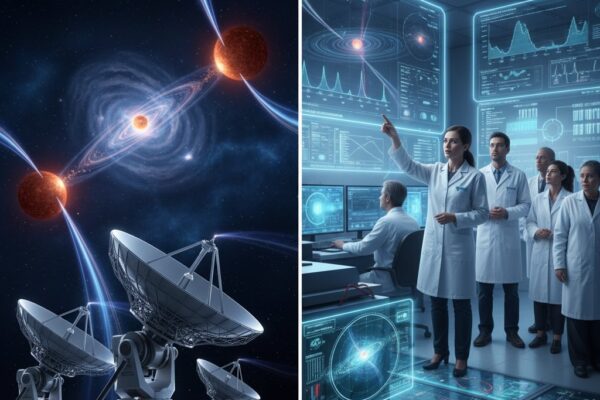
After a 20-year search, astronomers have traced mysterious radio pulses to a ‘vampire’ white dwarf draining its companion star. The discovery rewrites stellar death.
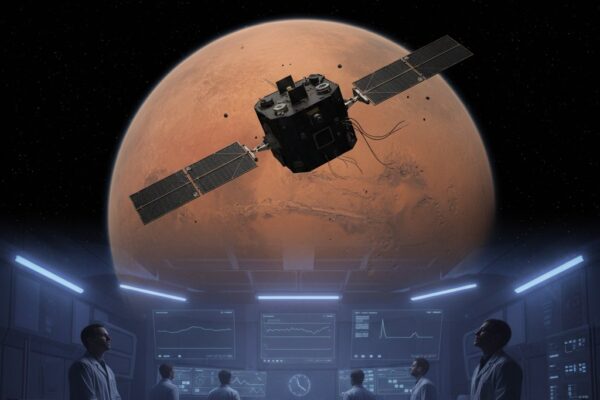
After six months of radio silence, NASA declares its Mars MAVEN spacecraft officially dead. The orbiter unlocked secrets of Mars’ atmosphere loss but succumbed to a star tracker failure.
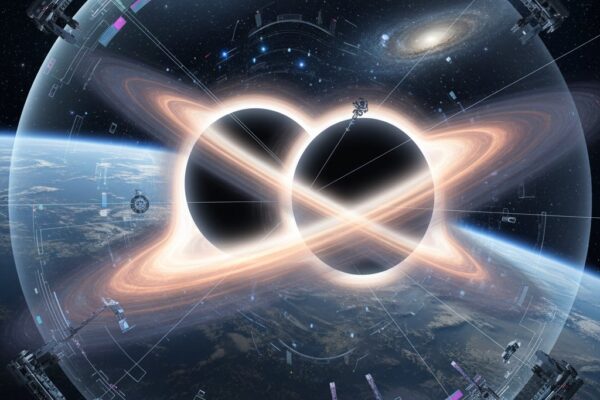
Astronomers capture the first direct image of two supermassive black holes orbiting each other in galaxy 0402+379, 4.4 billion light-years away.
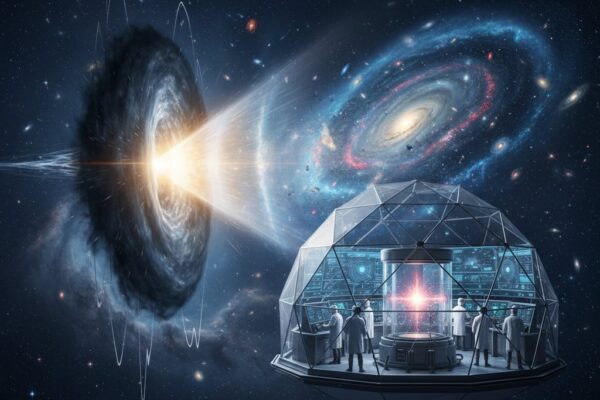
Could white holes—objects that only spit out matter—explain the Big Bang? Theoretical physicists explore a cosmic bounce from a previous universe’s black hole.
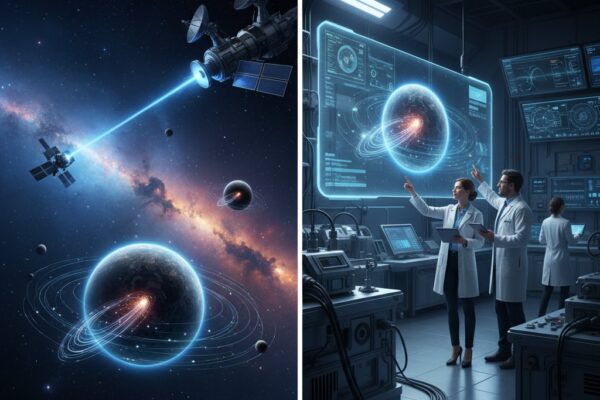
Astronomers detect magnetic fields on exoplanets in the TRAPPIST-1 system for the first time. This breakthrough reshapes the search for alien life and habitable worlds.
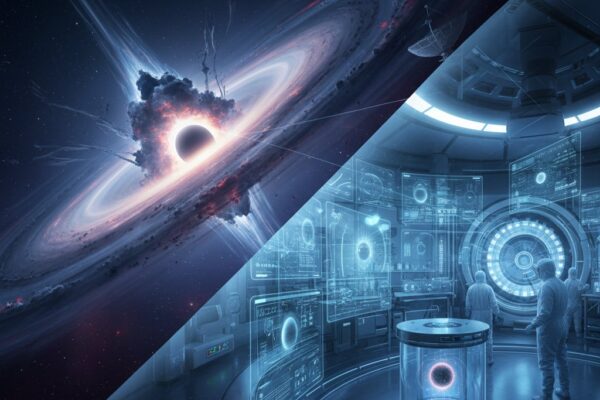
New JWST and Chandra data provide the clearest evidence that supermassive black holes can form directly from collapsing gas clouds, bypassing stellar collapse entirely. A paradigm shift.
Reddit’s weekly All Space Questions thread for May 31, 2026 tackled exoplanet spectra, lunar ice mining, and dark matter, drawing over 4,700 comments from experts and enthusiasts worldwide.
Feeling drained after your second year of college? Science reveals why burnout hits hard and how to recover effectively during summer break.