
Why Free Speech Advocates Are More Tolerant (Except of Extremists)
New research reveals people who prioritize free speech show higher racial and ethnic tolerance, except toward right-wing extremists. Education amplifies the effect.









New research reveals people who prioritize free speech show higher racial and ethnic tolerance, except toward right-wing extremists. Education amplifies the effect.
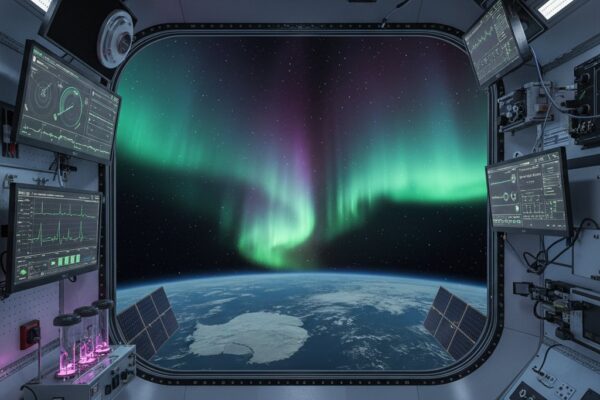
A stunning timelapse of the aurora australis filmed from SpaceX’s Dragon capsule offers a unique perspective on Earth’s southern lights, revealing their scale and beauty.

Explore the impact of Starlink’s 4,500+ satellites: how they bring internet to remote areas, disrupt astronomy, and change our night sky forever.
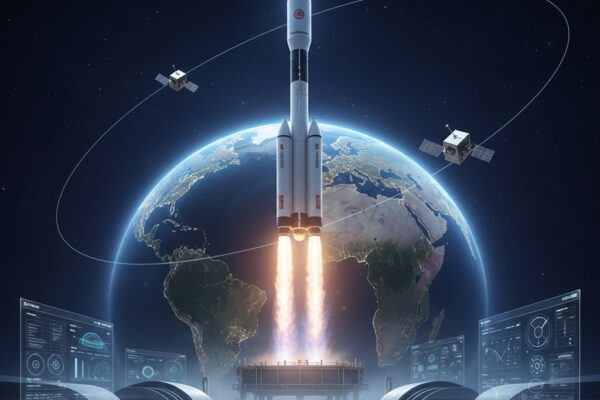
China’s LandSpace Zhuque-2E Y6 methane rocket launches two satellites on Tuesday, marking a milestone in commercial spaceflight and reusable rocket tech.

Astronomers have observed one of the rarest supernovae ever: a giant star destroying itself in a pair-instability explosion, challenging stellar evolution models and seeding the cosmos with heavy elements.
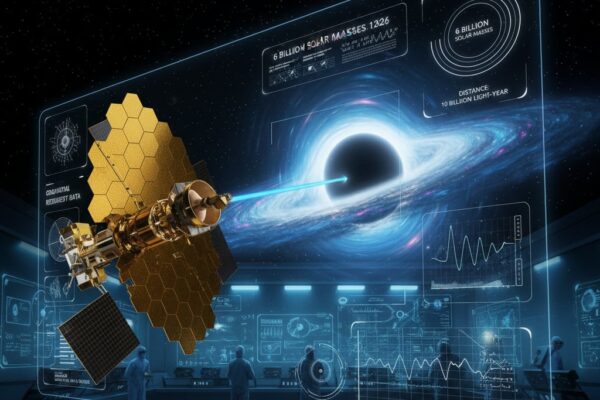
The James Webb Space Telescope has weighed a dormant supermassive black hole from 10 billion light-years away, revealing it to be 6 billion times the mass of our Sun.
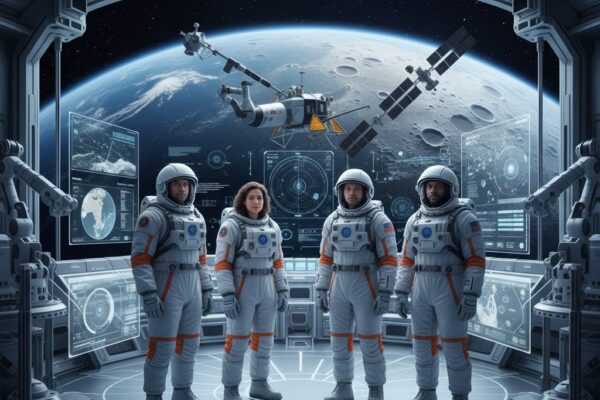
NASA announces the four astronauts of Artemis III, including the first woman to land on the Moon. The mission targets the lunar south pole in 2026 for science and resource exploration.
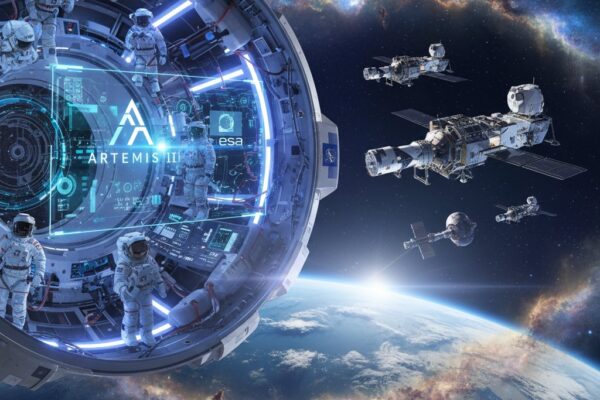
ESA officially partners with NASA for Artemis III, providing the European Service Module and scientific instruments for the first crewed lunar landing since 1972. Learn how this collaboration reshapes space exploration.
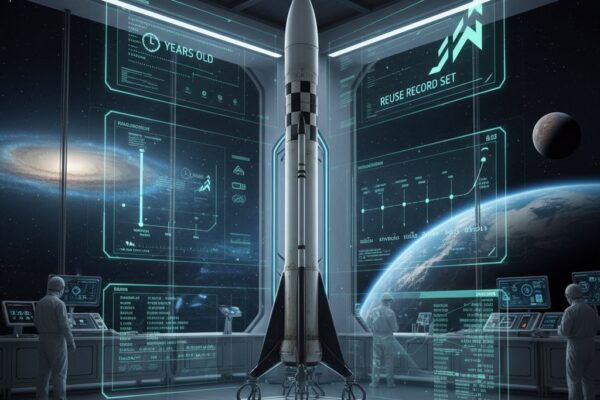
A Falcon 9 booster turns five years old and sets a reuse record of 22 flights. Discover how this milestone cuts launch costs and transforms space access for everyone.
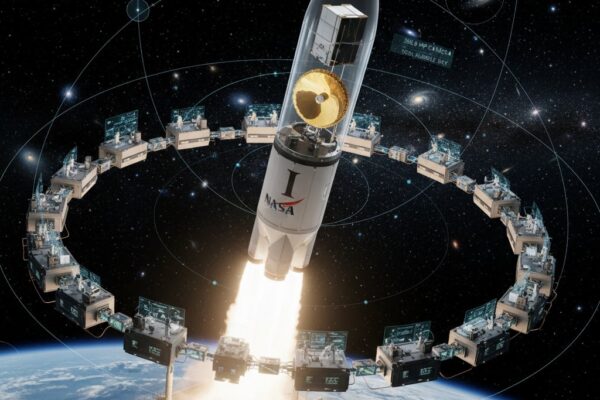
NASA’s Roman Space Telescope launches August 30, eight months ahead of schedule. Its 300.8-megapixel camera captures 100 times more sky than Hubble in one shot.
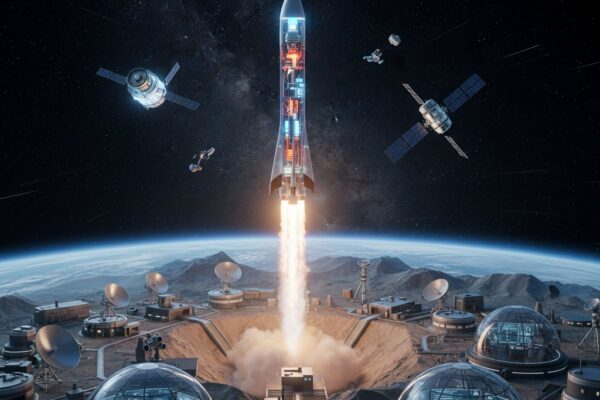
A firsthand account of a Falcon 9 rocket launch reveals how satellite technology affects daily life, from internet to GPS, and what the future holds for space access.
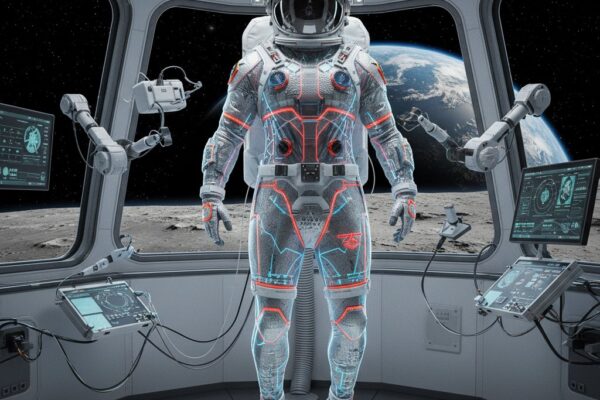
NASA’s Artemis astronauts will wear high-tech Prada-designed long johns under their spacesuits. The liquid-cooled garment blends Italian craftsmanship with cutting-edge thermal regulation for the Moon.