NASA Opens Media Accreditation for Roman Space Telescope Launch
NASA opens media accreditation for the Nancy Grace Roman Space Telescope launch on May 5, 2025. The wide-field observatory will study dark energy and exoplanets.


NASA opens media accreditation for the Nancy Grace Roman Space Telescope launch on May 5, 2025. The wide-field observatory will study dark energy and exoplanets.
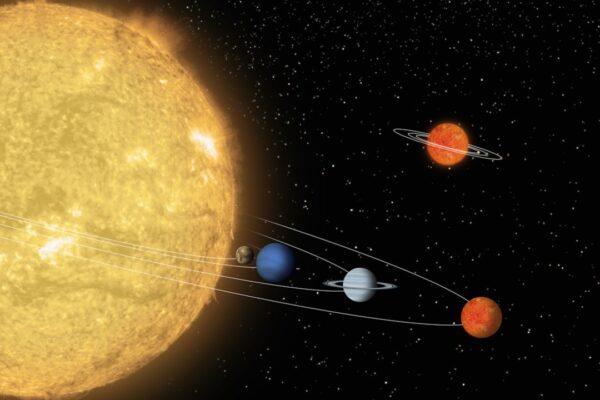
NASA’s James Webb Space Telescope reveals how a Jupiter-like planet survived its star’s death, migrated to a tight orbit around a white dwarf, and what this means for Earth’s future.
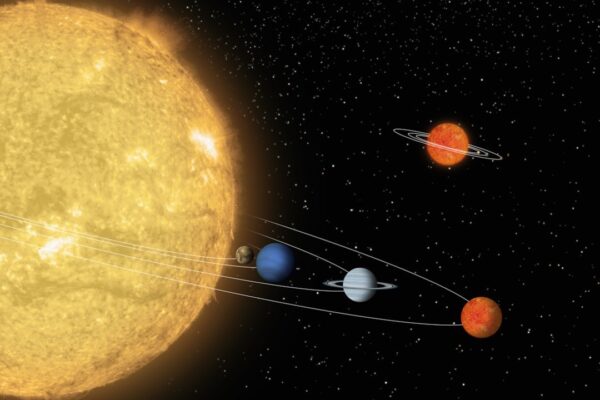
NASA’s TESS mission has discovered a super-Jupiter planet using relativistic beaming for the first time, opening a new method to find distant worlds hidden from traditional transit searches.
Meet NASA Ames’ July 2026 Science Stars: Sungshin Choi, Yi-Chun Chen, Emma Yates, Eduardo Bendek. Their work on wildfires, planetary chemistry, exoplanets is shaping our future.
Astronomers have discovered two exoplanets, WASP-193b and Kepler-51d, with densities lower than cotton candy. These ‘super-puffs’ challenge planetary formation models.
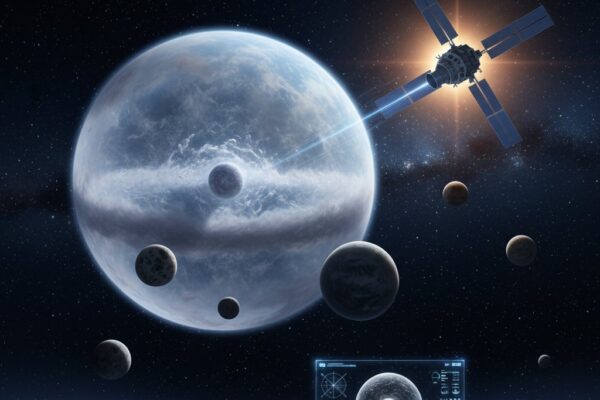
NASA’s TESS mission has discovered two ‘super-puff’ planets so light they’re comparable to cotton candy. These Jupiter-sized worlds are the puffiest ever found, challenging planet formation models.
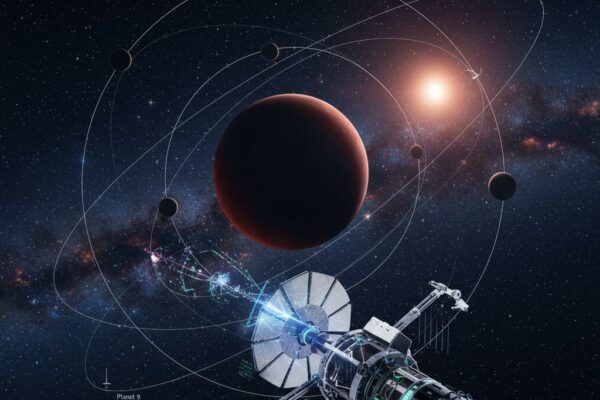
TrES-2b, the darkest exoplanet, reflects less than 1% light. Could Planet 9 be similarly elusive? And what would its discovery mean for the Nice Model?
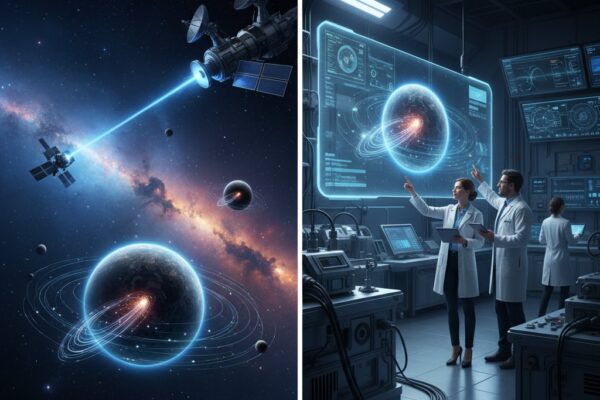
Astronomers detect magnetic fields on exoplanets in the TRAPPIST-1 system for the first time. This breakthrough reshapes the search for alien life and habitable worlds.
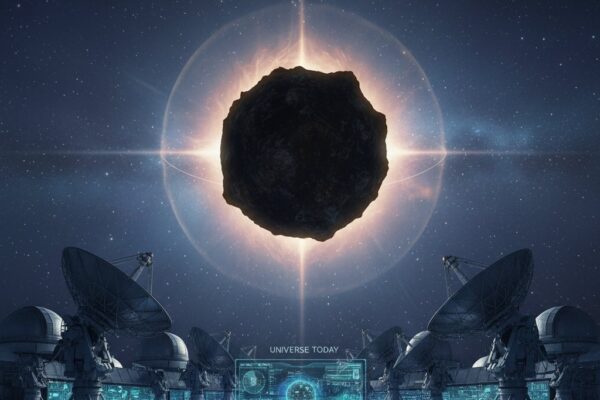
A tiny object passed between Hubble and a star 25,000 light-years away. It’s the first detection of a small Kuiper Belt object via microlensing, opening a new era in astronomy.
Dive into the latest “Ask an Astronomer” Reddit thread! Experts answer your burning questions on exoplanets, dark matter, and space debris.