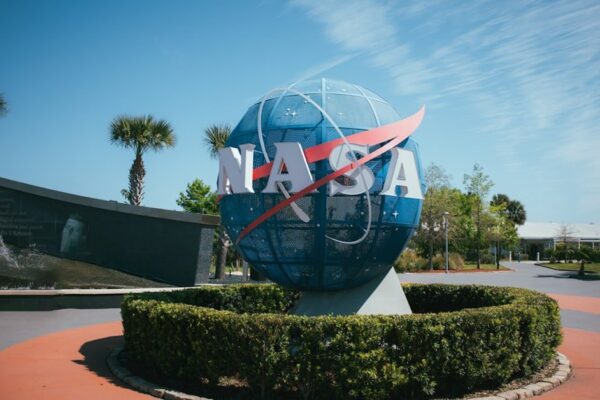
NASA Opens Media Accreditation for Roman Space Telescope Launch
NASA opens media accreditation for the Nancy Grace Roman Space Telescope launch on May 5, 2025. The wide-field observatory will study dark energy and exoplanets.

NASA opens media accreditation for the Nancy Grace Roman Space Telescope launch on May 5, 2025. The wide-field observatory will study dark energy and exoplanets.
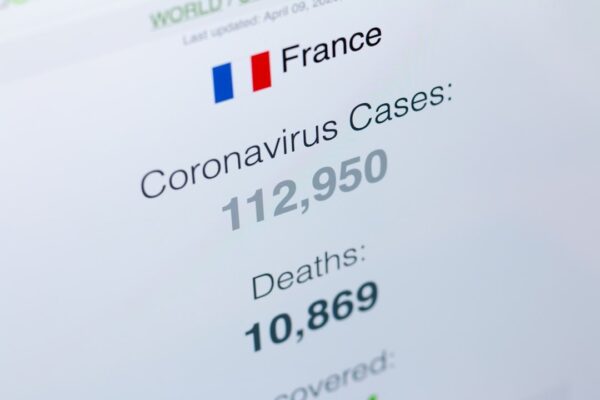
France recorded 2,025 excess deaths during a June heatwave as Europe braces for more extreme temperatures. Scientists link the intensity to climate change.

Discover how Robert Millikan’s classic oil drop experiment measured the electron’s charge, its controversial data selection, and its enduring legacy in modern physics and education.
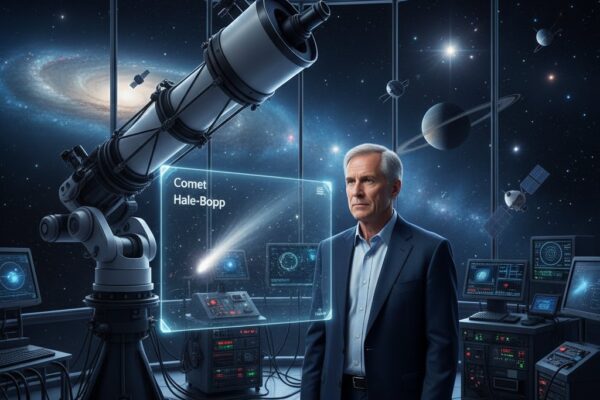
Discover how amateur astronomer Alan Hale co-discovered Comet Hale-Bopp in 1995, transforming our understanding of the solar system and inspiring millions worldwide.
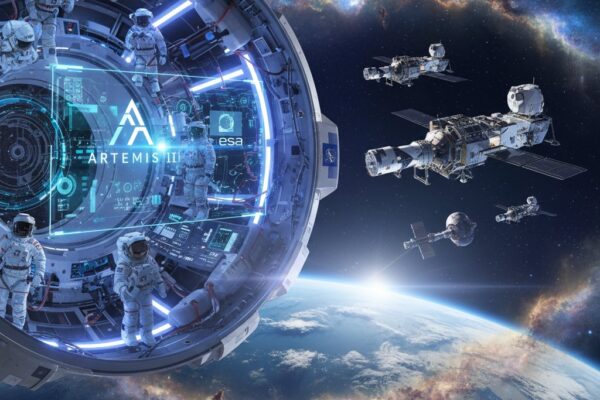
ESA officially partners with NASA for Artemis III, providing the European Service Module and scientific instruments for the first crewed lunar landing since 1972. Learn how this collaboration reshapes space exploration.

At 65, Maribel Guardia defies aging. Science explains how genetics, diet, and stress management allow the Costa Rican star to look decades younger.
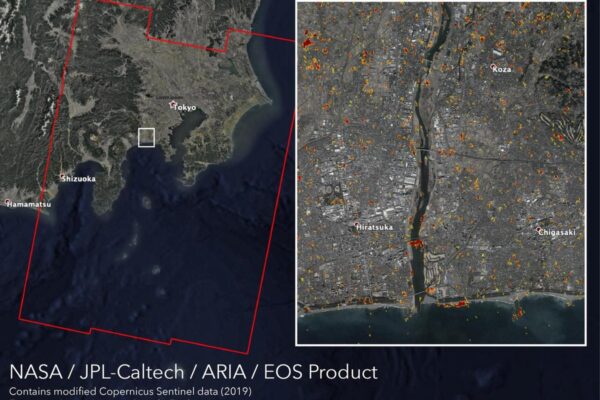
NASA selected 41 proposals from 37 companies to advance space technologies for Moon and Mars. Learn about the ACO program, key projects, and what it means for humanity’s future.
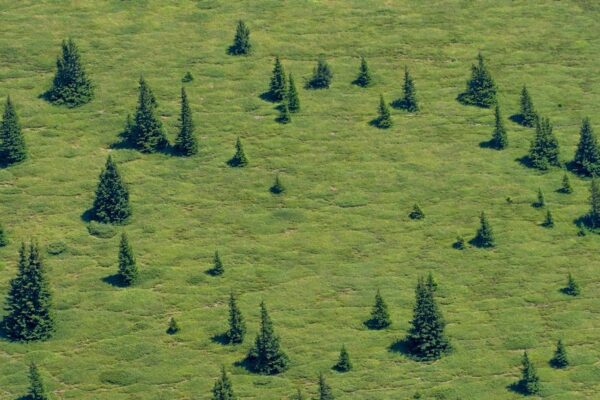
New modeling from University of Melbourne and CSIRO pinpoints priority zones to save Australia’s endangered alpine ash from climate change and bushfires, offering a conservation roadmap.
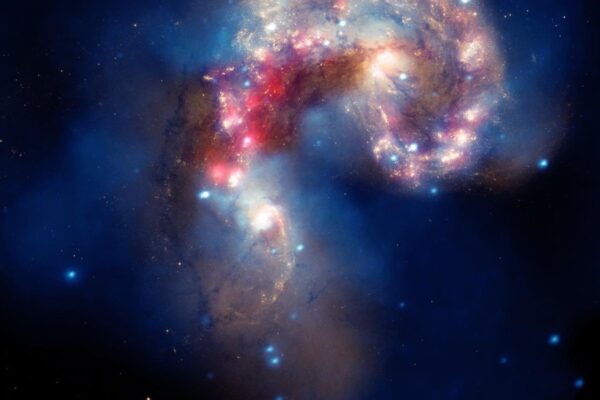
NASA’s Chandra X-ray Observatory unveils four cosmic images and three sonifications in red, white, and blue to celebrate the US 250th anniversary — blending science, art, and national pride.
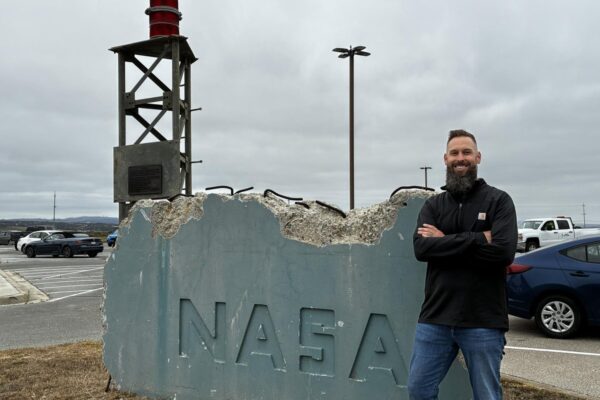
Engineer Eric Fernandez, from a Central Coast childhood watching rocket launches, now leads signal-processing innovations for NASA’s Deep Space Network, enabling communication across billions of kilometers.
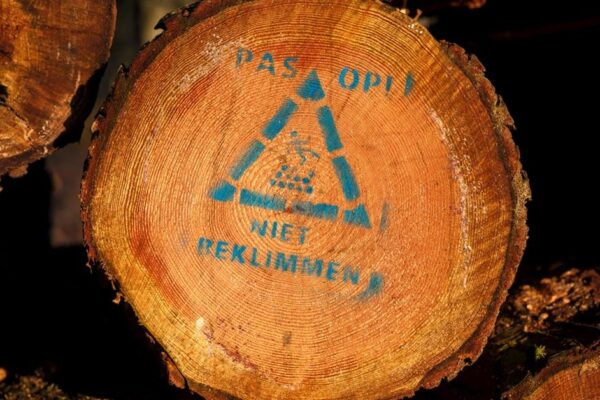
NASA transfers 105 acres of forest at Goddard Space Flight Center to Patuxent Research Refuge, creating a wildlife corridor and demonstrating how space agencies can lead in conservation.
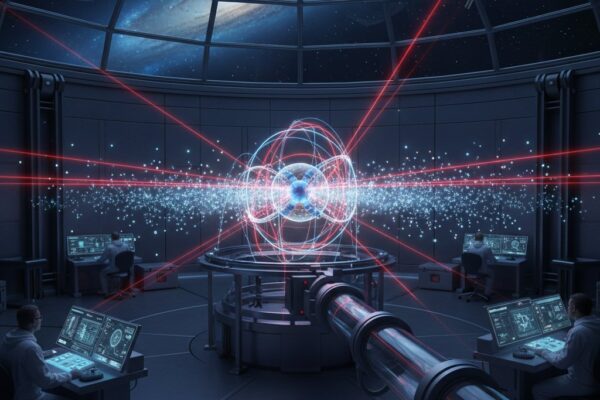
Physicists trap calcium monohydride molecules with laser light, achieving millikelvin temperatures. This breakthrough could lead to ultracold hydrogen and new tests of fundamental physics.