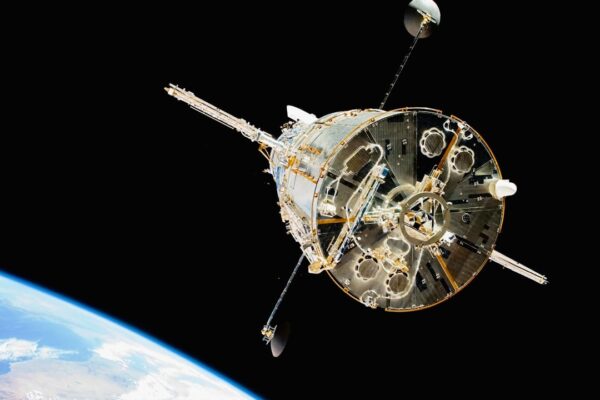
LINK Spacecraft Set to Boost NASA’s Swift Observatory in Historic Mission
NASA’s LINK spacecraft will attempt the first robotic boost of the Swift Observatory, extending its life by a decade. Launch set for July 2 from Kwajalein Atoll.








NASA’s LINK spacecraft will attempt the first robotic boost of the Swift Observatory, extending its life by a decade. Launch set for July 2 from Kwajalein Atoll.
NASA is recruiting volunteers for a yearlong simulated Moon/Mars mission starting 2027. Learn what it takes to survive in isolation and why this matters for deep space exploration.
NASA’s Chandra X-ray Observatory reveals the Milky Way’s outer spiral arms stretch much farther than thought, forcing a redraw of our galactic map and reshaping our understanding of the galaxy’s size and structure.
July 2026 skywatching tips from NASA: a predawn planetary meetup, returning Comet 13P/Olbers, prime Milky Way views, and Saturn’s rings at a new angle. No telescope required for most events.
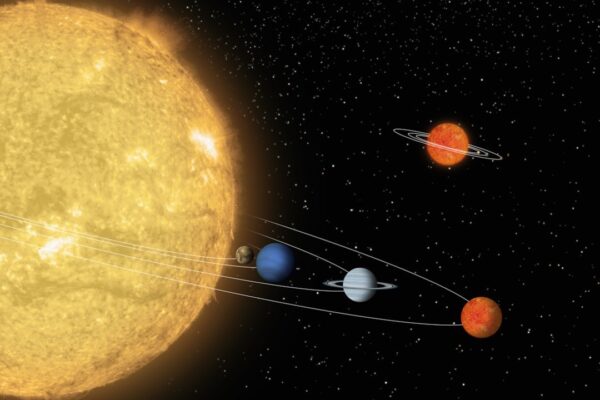
NASA’s TESS mission has discovered a super-Jupiter planet using relativistic beaming for the first time, opening a new method to find distant worlds hidden from traditional transit searches.
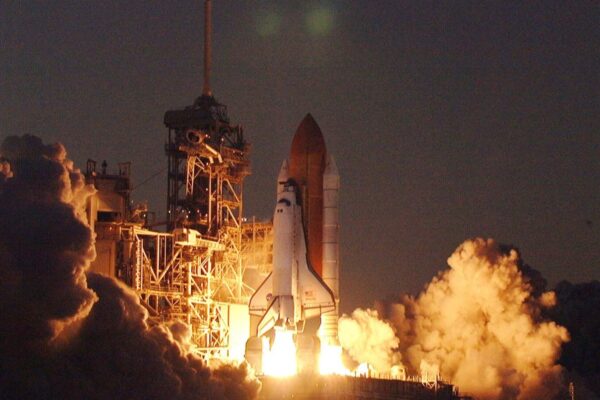
NASA announced three robotic moon missions to scout water ice, test 3D printing, and shield radiation for a planned 2029 lunar base.
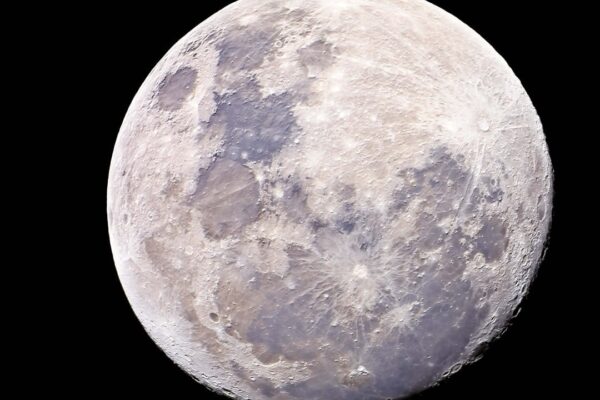
NASA chief Bill Nelson vows to send a soccer ball to the Moon if the U.S. wins the World Cup. We break down the science, timeline, and what it means for space exploration.
The Vera C. Rubin Observatory begins its 10-year survey of the southern sky, promising unprecedented discoveries in asteroids, dark matter, and supernovae. All data will be public.
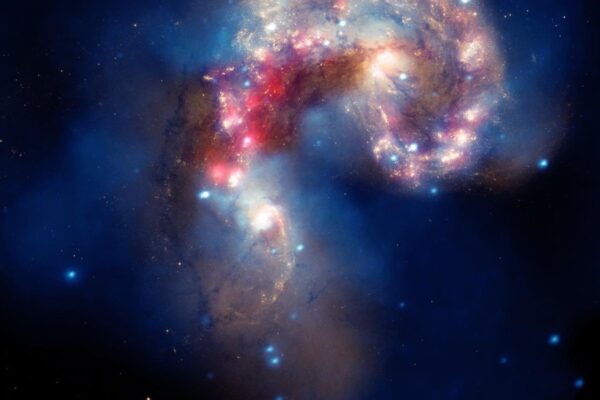
NASA’s Chandra X-ray Observatory unveils four cosmic images and three sonifications in red, white, and blue to celebrate the US 250th anniversary — blending science, art, and national pride.
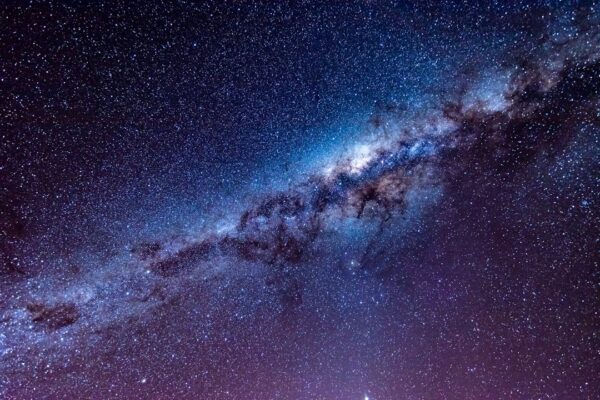
Meet NASA Ames’ July 2026 Science Stars: Sungshin Choi, Yi-Chun Chen, Emma Yates, Eduardo Bendek. Their work on wildfires, planetary chemistry, exoplanets is shaping our future.
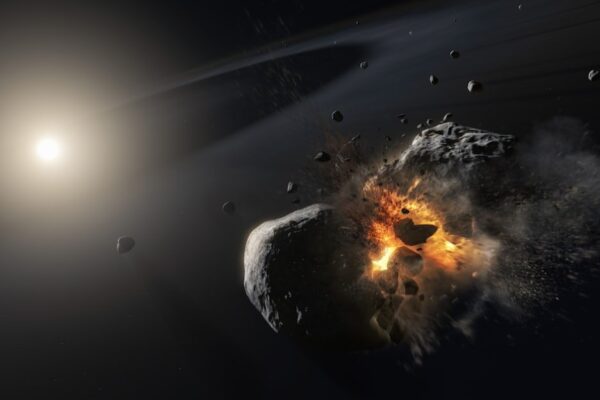
International Asteroid Day on June 30 marks the Tunguska event and raises awareness of asteroid threats. Learn about planetary defense efforts and how you can help.
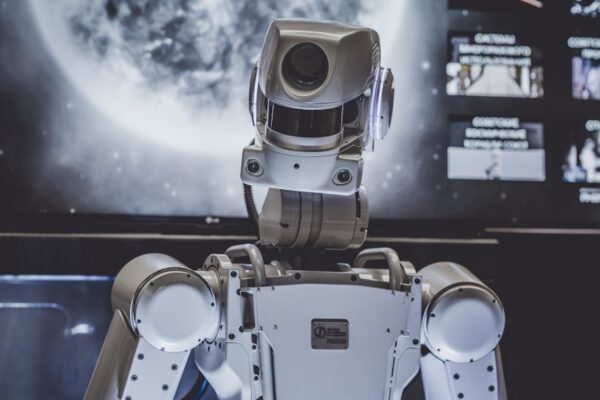
NASA launches a daring robotic mission this Tuesday to boost the aging Swift telescope to a higher orbit, preventing its fiery reentry and buying years of science.