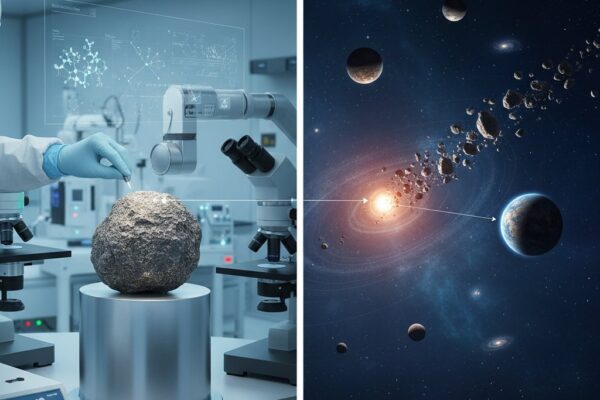
Meteorite From Lost Solar System World Found in Sahara
A meteorite discovered in the Sahara desert could be the first evidence of a lost planet from the early solar system, offering unprecedented insights into planetary formation.









A meteorite discovered in the Sahara desert could be the first evidence of a lost planet from the early solar system, offering unprecedented insights into planetary formation.
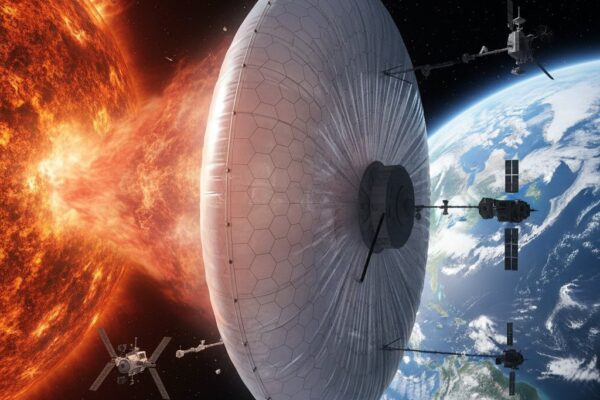
A radical proposal to shield Earth from solar storms using an orbital ‘airbag’—a magnetic bubble at L1—could prevent trillions in damage. Scientists detail the plan.

After a 20-year search, astronomers have traced mysterious radio pulses to a ‘vampire’ white dwarf draining its companion star. The discovery rewrites stellar death.
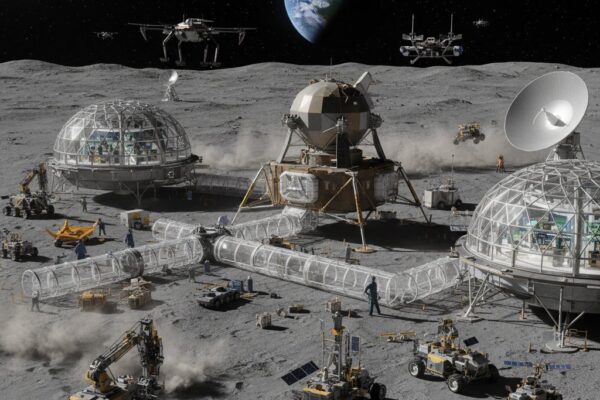
NASA’s Artemis Moon base is becoming reality with new rovers, landers, and drones. Discover how these technologies will transform lunar exploration and pave the way for Mars.
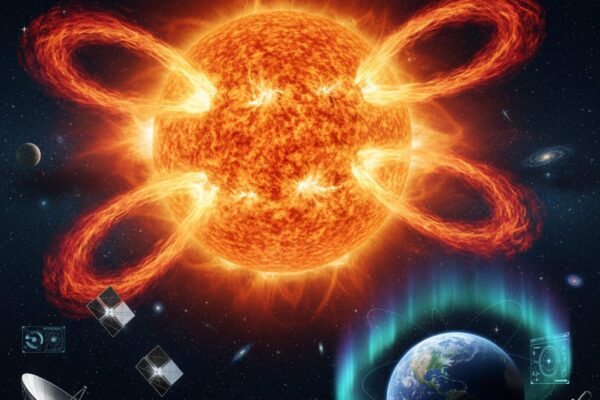
Three massive solar flares erupted from the Sun in under 24 hours, boosting aurora chances. Here’s how to see the northern lights at lower latitudes.
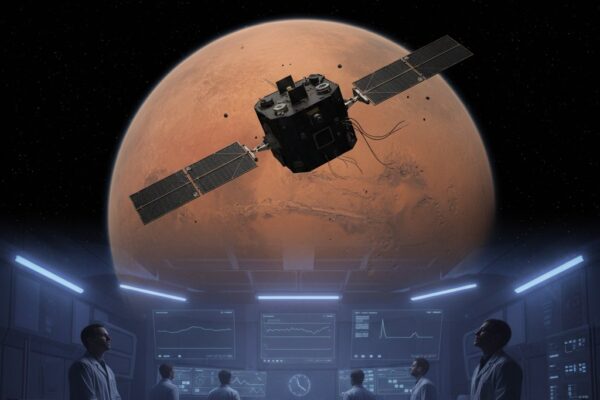
After six months of radio silence, NASA declares its Mars MAVEN spacecraft officially dead. The orbiter unlocked secrets of Mars’ atmosphere loss but succumbed to a star tracker failure.
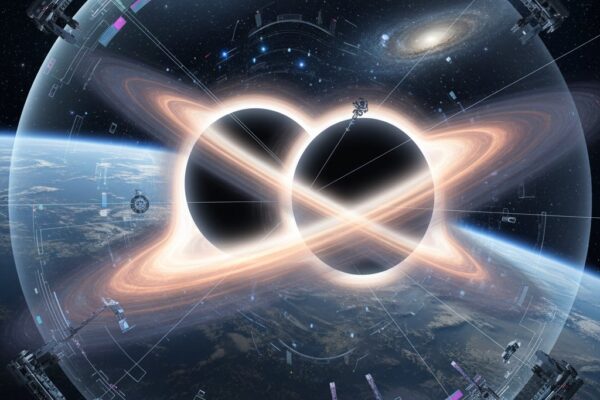
Astronomers capture the first direct image of two supermassive black holes orbiting each other in galaxy 0402+379, 4.4 billion light-years away.
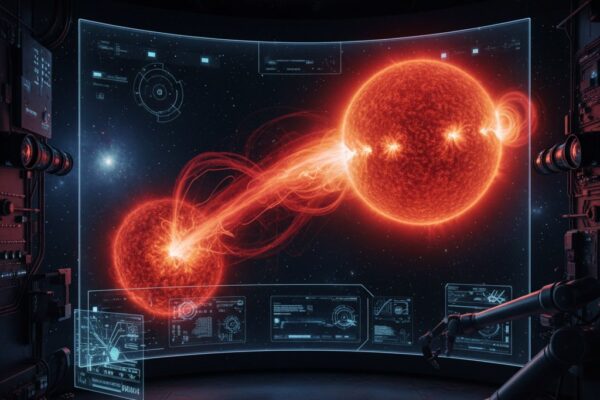
The SDO captured a dramatic solar eruption in the 304 Å filter, nicknamed the Trebuchet. Learn how this plasma cannon event impacts space weather and our technology.
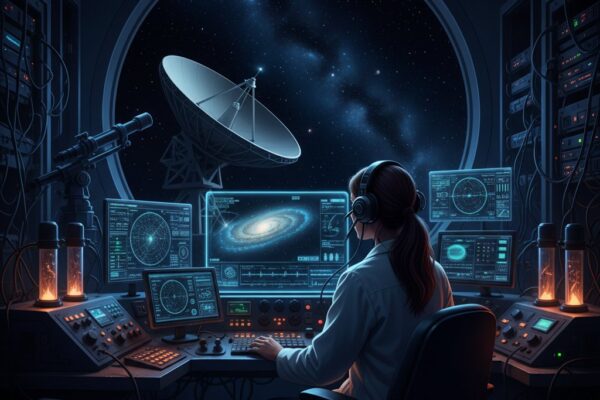
An amateur astronomer using a homemade radio telescope detected a candidate SETI signal from Barnard’s Star. Could backyard science find E.T.?

Astronomers detect magnetic fields on exoplanets in the TRAPPIST-1 system for the first time. This breakthrough reshapes the search for alien life and habitable worlds.
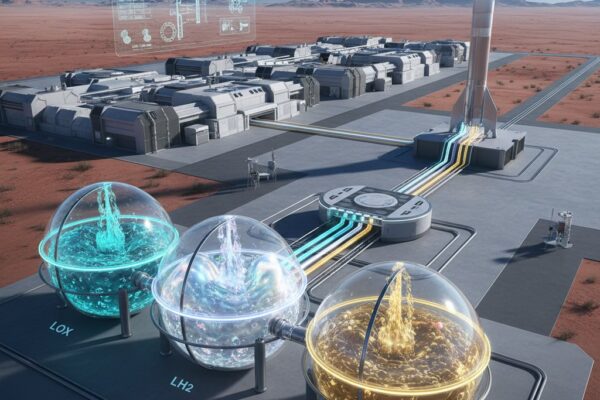
Blue Origin announces aggressive return-to-flight timeline for New Glenn after declaring propellant farm in good shape. Analysis of ground systems readiness and competitive pressures.
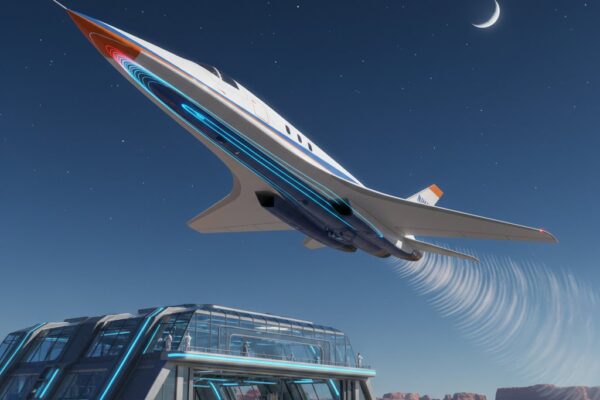
NASA’s X-59 QueSST is set to fly faster than sound for the first time, aiming to turn sonic booms into quiet thumps and revolutionize supersonic travel.