
Every Starlink Satellite Orbiting Now: A Sky Full of Links
Explore the impact of Starlink’s 4,500+ satellites: how they bring internet to remote areas, disrupt astronomy, and change our night sky forever.







Explore the impact of Starlink’s 4,500+ satellites: how they bring internet to remote areas, disrupt astronomy, and change our night sky forever.
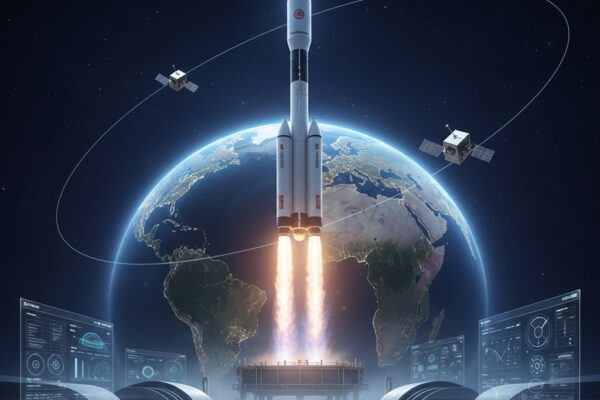
China’s LandSpace Zhuque-2E Y6 methane rocket launches two satellites on Tuesday, marking a milestone in commercial spaceflight and reusable rocket tech.
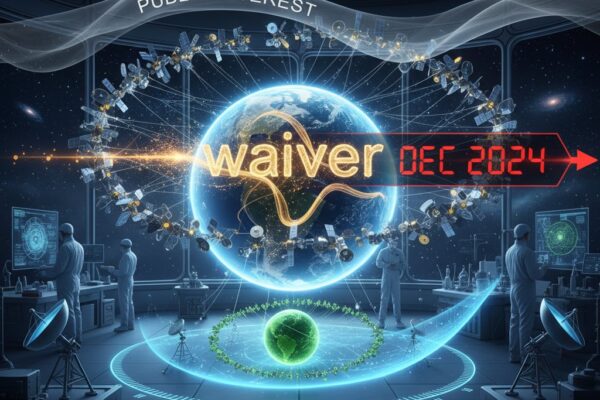
FCC lifts Amazon’s Project Kuiper satellite deadline, allowing more time to build a second LEO broadband constellation. Competition against Starlink may lower costs and expand global internet access.
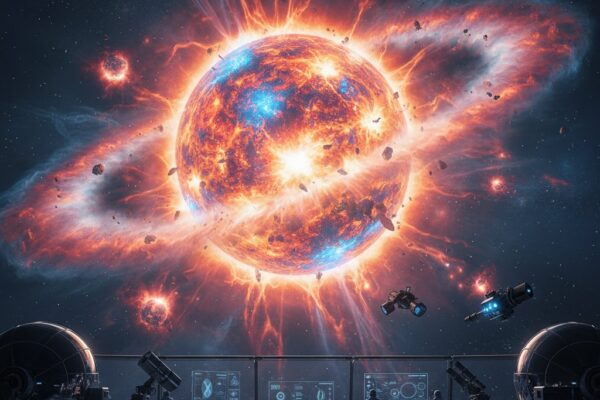
Astronomers have observed one of the rarest supernovae ever: a giant star destroying itself in a pair-instability explosion, challenging stellar evolution models and seeding the cosmos with heavy elements.
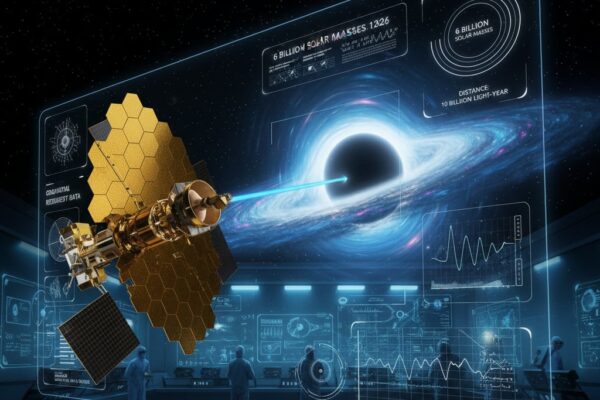
The James Webb Space Telescope has weighed a dormant supermassive black hole from 10 billion light-years away, revealing it to be 6 billion times the mass of our Sun.
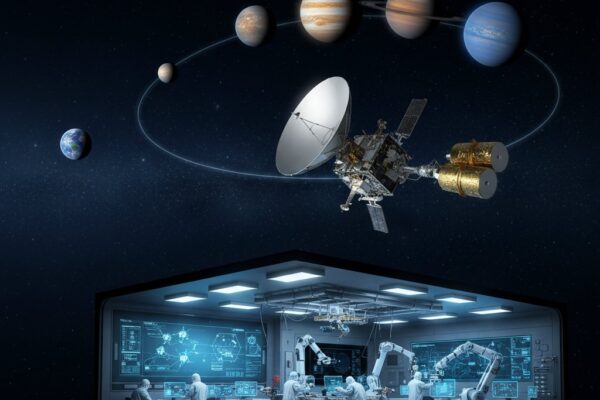
Voyager 2, launched in 1977, is the only spacecraft to visit Jupiter, Saturn, Uranus, and Neptune. Now 49 years old, it continues to send data from interstellar space.
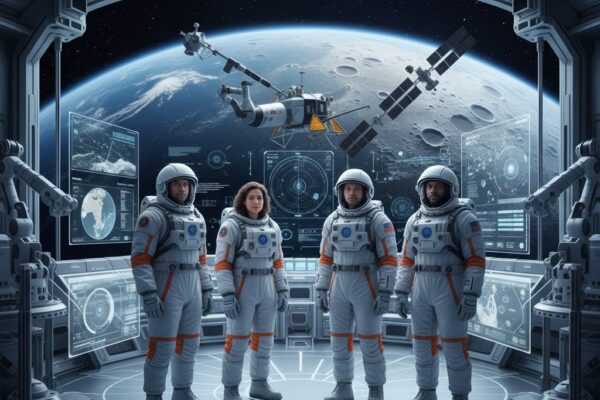
NASA announces the four astronauts of Artemis III, including the first woman to land on the Moon. The mission targets the lunar south pole in 2026 for science and resource exploration.
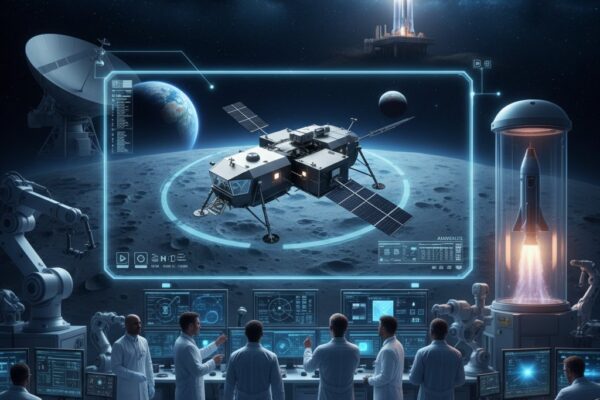
NASA’s Artemis III announcement stream reveals landing plans near the Moon’s south pole for a 2025 mission. Live updates on crew, lander, and scientific goals.
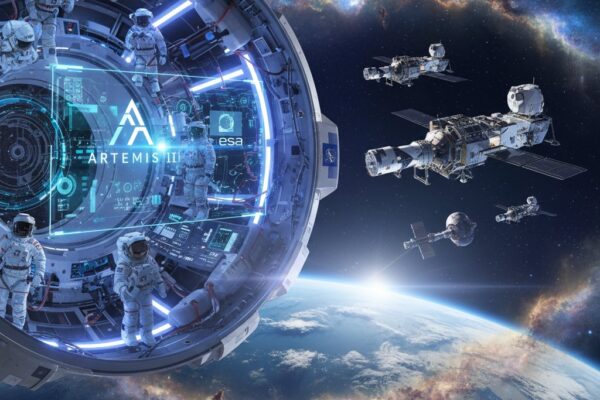
ESA officially partners with NASA for Artemis III, providing the European Service Module and scientific instruments for the first crewed lunar landing since 1972. Learn how this collaboration reshapes space exploration.
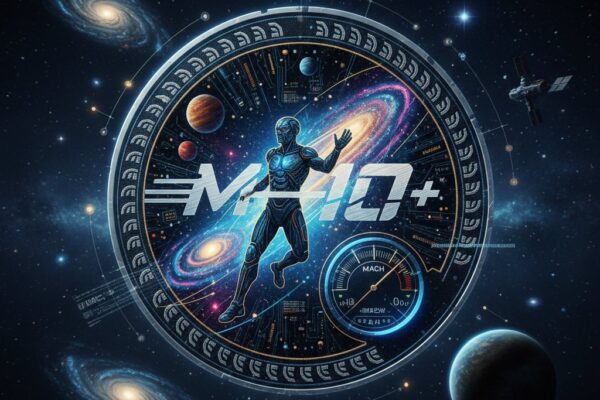
NASA’s new patch lets astronauts measure their speed in Mach from space, solving a decades-old challenge. Learn how it works and what it means for future missions.
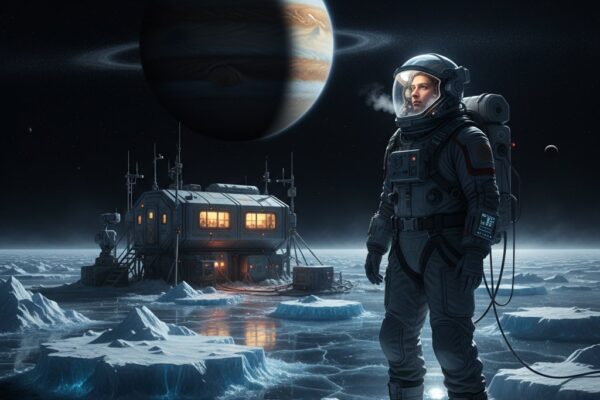
What would it feel like to stand on Europa? Extreme cold, lethal radiation, and a fractured ice landscape. A planetary scientist explains the visceral reality of Jupiter’s moon.
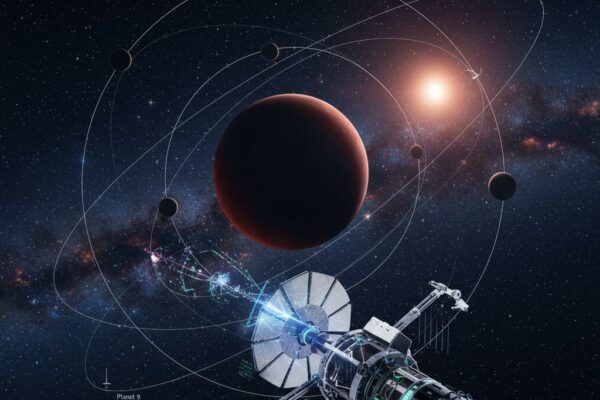
TrES-2b, the darkest exoplanet, reflects less than 1% light. Could Planet 9 be similarly elusive? And what would its discovery mean for the Nice Model?