
China’s Skyward Giant: The Engineering Marvel of the CITIC Tower
Discover the engineering marvel of China’s tallest building, the CITIC Tower (Zhongguo Zun). How it withstands earthquakes, wind, and redefines skyscraper design.








Discover the engineering marvel of China’s tallest building, the CITIC Tower (Zhongguo Zun). How it withstands earthquakes, wind, and redefines skyscraper design.

Two humpback whales stunned scientists by swimming from Brazil to Australia—a record-breaking 13,000 km journey. Here’s why it matters for conservation.
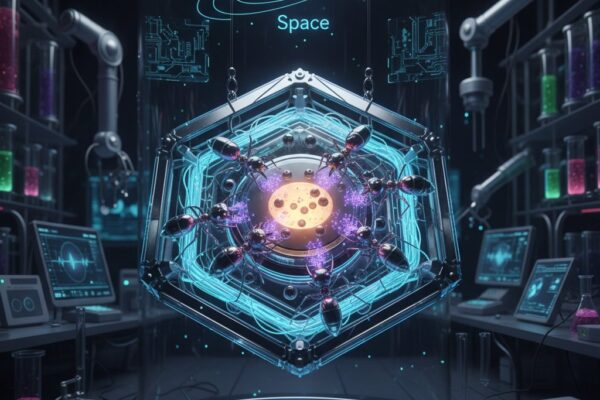
Meet the ballista spider, a newly discovered arachnid that uses a spring-loaded silk trap to snare ants. Learn how this Roman-inspired weapon works and what it means for science.

Analyze the science behind the drama of Vanderpump Rules—how social dynamics, loyalty, and group conflict unfold in reality TV’s biggest scandal, the Scandoval.

Extreme heat watches are becoming more frequent as global temperatures soar. Learn what they mean, how to prepare, and why space tech is helping us monitor the heat.
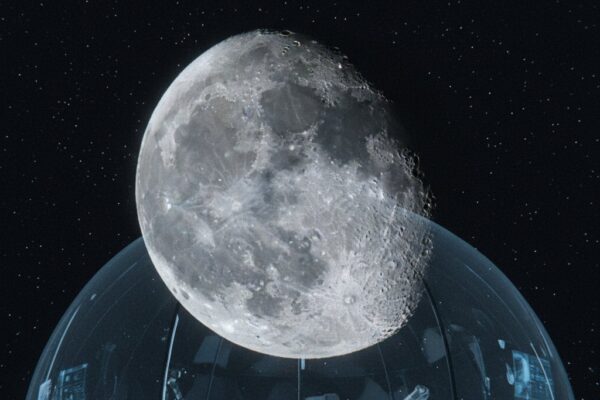
Discover why a single unedited photo of the Waxing Gibbous moon taken in Southern California is more than just a pretty picture—it’s a contribution to lunar science and future Artemis missions.
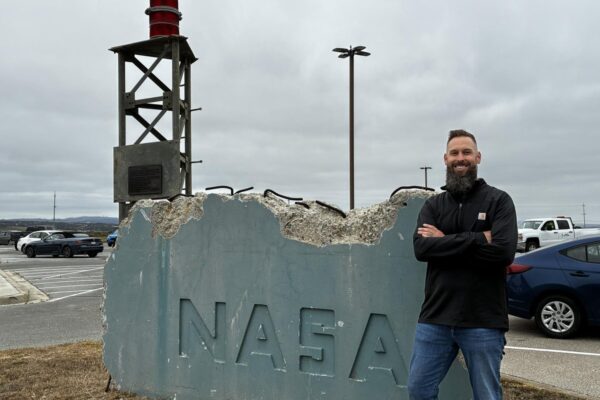
Engineer Eric Fernandez, from a Central Coast childhood watching rocket launches, now leads signal-processing innovations for NASA’s Deep Space Network, enabling communication across billions of kilometers.
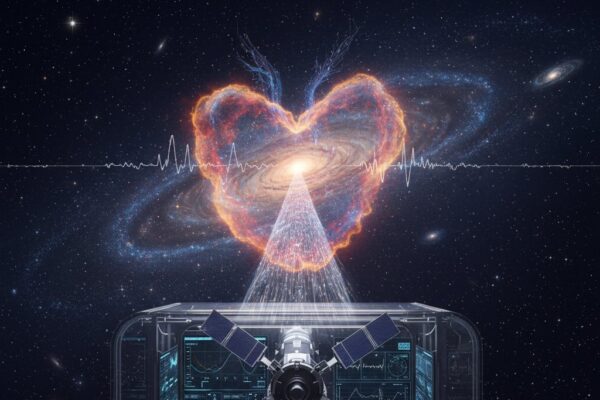
ESA’s Euclid mission releases a stunning new image of the Milky Way’s core, revealing millions of stars and setting the stage for NASA’s Roman Space Telescope.
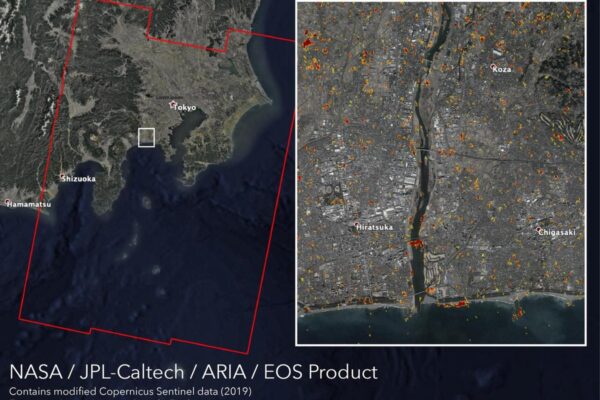
NASA selected 41 proposals from 37 companies to advance space technologies for Moon and Mars. Learn about the ACO program, key projects, and what it means for humanity’s future.
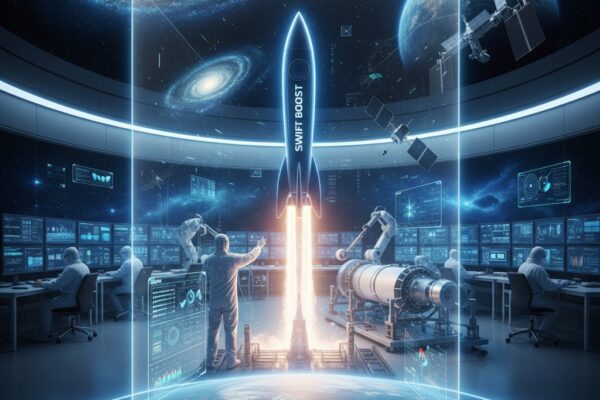
NASA’s Swift observatory gets a June 30 launch for an orbital boost mission. Extend the telescope’s life by a decade. Learn how it works and why it matters.
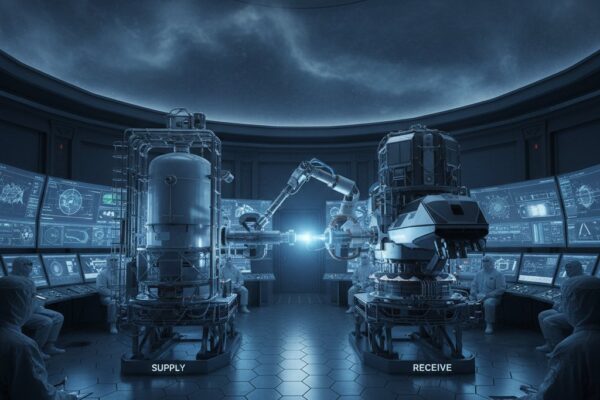
NASA tests a new orbital refueling nozzle that could let spacecraft fill up in space, cutting launch costs and enabling longer missions to the Moon, Mars, and beyond.
NASA announces winners of the 2026 Human Lander Challenge, featuring student-designed life support systems for lunar missions that could also benefit Earth.