







“We’re seeing heat extremes that are simply off the charts,” says Dr. Elena Torres, a senior climatologist at the National Oceanic and Atmospheric Administration (NOAA). “The frequency and intensity of these events are accelerating faster than most models predicted even a decade ago.” That’s not hyperbole — it’s the reality of a planet in flux. This week, NOAA issued an extreme heat watch for large swaths of the southwestern United States, with temperatures expected to soar past 110°F in places like Phoenix and Las Vegas. And it’s not just the American Southwest. From Delhi to Madrid, communities are bracing for what could be the hottest summer on record.
So what exactly is an extreme heat watch? And why should you care — even if you don’t live in a desert? Let’s unpack this.
What Is an Extreme Heat Watch?
An extreme heat watch is a heads-up from weather authorities — typically issued 24 to 72 hours in advance — that dangerously high temperatures are likely. It’s a step below an extreme heat warning, which means the heat is imminent or already happening. The watch gives cities, governments, and individuals precious time to prepare. Think of it as a fire alarm before the smoke fills the room.
“A watch means we’ve got a solid forecast of extreme heat, but the exact timing and intensity still have some uncertainty,” explains Dr. Marcus Chen, a meteorologist at the University of California, Los Angeles. “The goal is to trigger early actions — opening cooling centers, checking on vulnerable neighbors, and adjusting outdoor work schedules.” And those actions save lives. According to the CDC, heat is the deadliest weather-related hazard in the United States, killing more people each year than hurricanes, floods, and tornadoes combined. Yet most people don’t take it seriously until it’s too late.
The science behind extreme heat is brutal but straightforward: when the human body is exposed to temperatures above 104°F for prolonged periods, internal cooling mechanisms — sweating, increased blood flow to the skin — begin to fail. Add high humidity, and sweat doesn’t evaporate. Your core temperature climbs. Organs start to cook. That’s how heatstroke kills.
The Bigger Picture: Why Heat Waves Are Getting Worse
This isn’t just a bad summer. It’s a trend. Global average temperatures have risen about 1.2°C (2.2°F) since pre-industrial times, driven by greenhouse gas emissions. But heat waves amplify that warming. A study published last year in Nature Climate Change found that the frequency of extreme heat events has tripled since the 1980s. And the duration? It’s doubled.
“The climate system is like a rubber band that’s been stretched thin,” says Dr. Chen. “Every tenth of a degree of warming increases the odds of hitting dangerous thresholds.” That’s why we’re seeing record-shattering events like the 2021 Pacific Northwest heat dome, where temperatures in Lytton, British Columbia reached 121°F — hotter than Death Valley that day. It’s why Europe sweltered through 47°C in Italy last summer. And it’s why NASA’s climate data shows 2024 is likely to be the hottest year on record, edging out 2023.
But here’s where the future gets interesting. Scientists are now using space technology to monitor heat in real time. Satellites like NASA’s ECOSTRESS on the International Space Station can measure surface temperatures down to the individual farm field — data that helps cities identify “heat islands” where asphalt and concrete trap more heat. That’s the kind of work that brings signals to NASA from engineers who build the instruments that make these observations possible. And it’s not just Earth observation — new space tech projects are underway to improve our forecasting models. NASA quietly picks 41 space tech projects every year, many of which end up on satellites focused on monitoring our own planet.
What This Means for Your Community
Extreme heat doesn’t discriminate by zip code — but it does hit harder in some places. Urban areas with fewer trees and more concrete can be 5°F to 10°F hotter than surrounding suburbs. That’s the urban heat island effect. Lower-income neighborhoods often have less green space and older housing with inadequate cooling. And without access to air conditioning, a heat watch can become a death sentence.
Take Philadelphia, for example. In 2023, the city opened 24-hour cooling centers after a heat watch triggered a response plan. The result? Zero heat-related deaths during the event. “Preparation works,” says Dr. Torres. “But it only works if people take the watch seriously.” She points to the city’s outreach to homeless populations and elderly residents as key factors. Simple actions — handing out water, checking on neighbors, knowing the signs of heat exhaustion — can mean the difference between a scare and a tragedy.
And it’s not just about the heat itself. Power grids buckle under the load of air conditioning units. Roads can buckle, railway tracks warp, and aircraft performance degrades in high temperatures. Earlier this year, flights were briefly grounded in Phoenix when temperatures hit 120°F — too hot for some regional jets to take off safely. So an extreme heat watch is really an infrastructure watch, too.
What You Can Do Right Now
First, know your local heat warning system. The National Weather Service uses a tiered system: outlook, watch, warning. If you see an extreme heat watch in your forecast, start preparing. Stock up on water. Identify the nearest cooling center (many libraries and community centers serve as them). If you have elderly relatives or neighbors, check on them. And if you work outdoors, talk to your employer about adjusting hours — early morning shifts are safer than midday stints.
Second, take the long view. The heat waves we’re seeing today are a preview of what’s coming. According to the IPCC Sixth Assessment Report, by 2050, regions like the U.S. Southwest could experience weeks of 120°F days annually. That’s not a “maybe” — it’s a projection based on current emissions trends. “We’re not powerless,” says Dr. Chen. “Every fraction of a degree we avoid through emission cuts reduces the severity. But we also have to adapt now.”
So yes, the news about extreme heat watches can feel overwhelming. But look — ignoring it won’t make the mercury drop. The good news is that we know what works. Better urban planning, reflective roofs, expanded green spaces, and early warning systems all save lives. And the technology to predict and monitor these events is improving faster than ever. That’s the future we’re building — one where a heat watch doesn’t mean panic, but preparation.
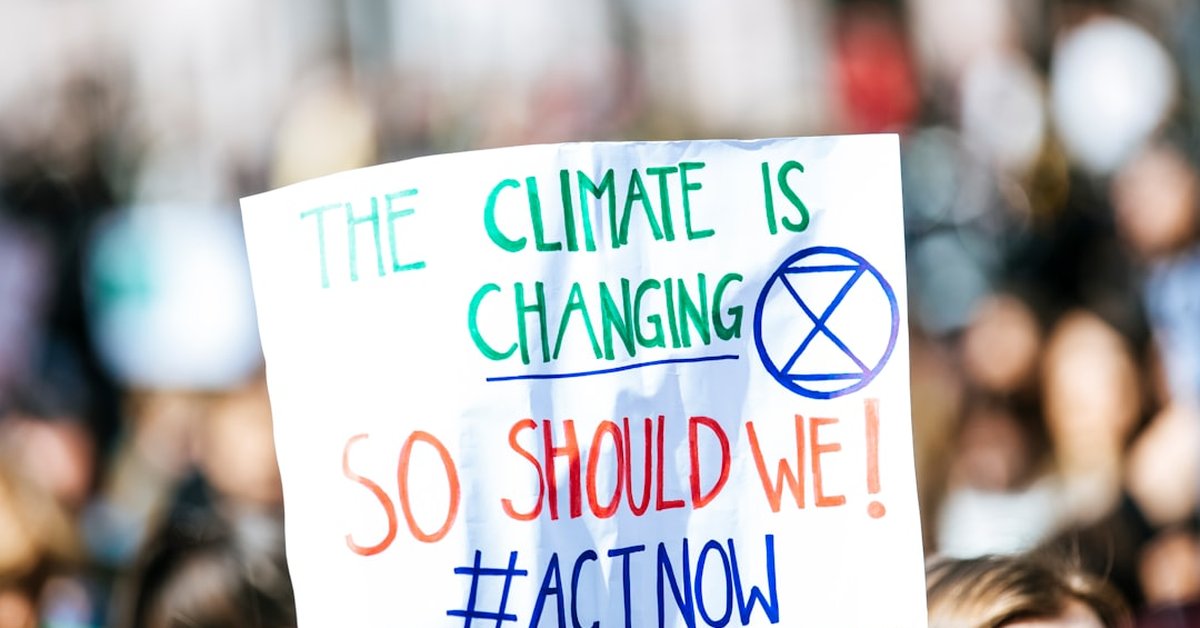
As Dr. Torres puts it: “The weather is changing. Our response has to change with it. The watch is a gift of time — use it.”
Frequently Asked Questions
How is an extreme heat watch different from a heat advisory?
An extreme heat watch is issued when conditions are favorable for dangerous heat within 24 to 72 hours. A heat advisory is less severe — typically for lower temperature thresholds — while an extreme heat warning means heat is imminent or occurring. Think of the watch as a warning to get ready, and the warning as the signal to act.
What should I do if an extreme heat watch is issued for my area?
Start preparing immediately. Stay hydrated, avoid strenuous outdoor activities during peak heat (usually late afternoon), and locate your nearest cooling center. Check on elderly neighbors or those with chronic health conditions. If you don’t have air conditioning, plan to spend time in public places like libraries or malls. Also, never leave children or pets in parked cars — temperatures inside can rise to 140°F within minutes.
Are extreme heat events linked to climate change?
Yes, overwhelmingly. Climate change increases the frequency, intensity, and duration of heat waves. As global average temperatures rise, the statistical likelihood of extreme heat events increases significantly. Attribution studies have shown that many recent heat waves would have been virtually impossible without human-caused climate change.