








Astronomers Discover Two Planets Lighter Than Cotton Candy
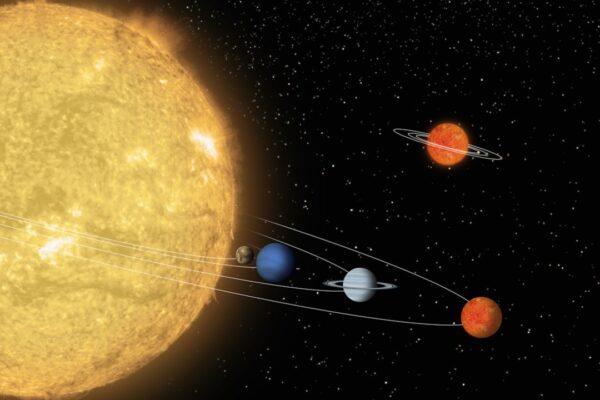
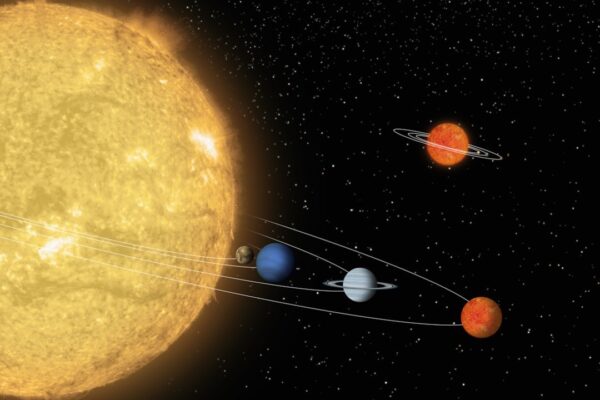
Astronomers have discovered two exoplanets, WASP-193b and Kepler-51d, with densities lower than cotton candy. These ‘super-puffs’ challenge planetary formation models.
Europe’s deadly heat wave shifts east as hundreds of millions face dangerous temperatures. Overnight storms offered fleeting relief in France and Belgium, but the scorcher continues.
The Solar Gravitational Lens could let us image white dwarfs, neutron stars, and black holes in stunning detail. New NASA studies bring this dream closer to reality.
H5N1 bird flu is killing backyard chickens and cats. A vet expert explains how the virus spreads from seabirds to pets, symptoms to watch for, and biosecurity tips.
New research confirms human-driven climate change caused Antarctic Pine Island Glacier’s retreat since the 1940s. Sea-level rise implications and what we can do.
Lost megalodon vertebrae rediscovered in a Danish museum confirm the extinct shark reached 80 feet. New analysis reveals growth, age, and lifestyle insights.
A 27,500-year-old bear attack victim in Italy reveals Paleolithic mourning rituals: red ochre, fox-teeth headdress, and deliberate wound covering, proving grief is ancient.
A new study reveals that the sequence in which species disappear from grasslands dramatically alters ecosystem stability, with major implications for conservation and climate resilience.
WHO links Europe’s July heatwave to at least 1,300 deaths as Germany hits record 41.7°C. Climate change made it 10x more likely. What needs to change?
New King’s College London study finds invasive plants succeed because of ancient evolutionary traits, not recent adaptation—a discovery with major implications for climate change and biosecurity.
A new University of New Hampshire study reveals that solar storms can weaken rain and snow across North America. The discovery may upend weather forecasting.
Scientists confirm human-caused climate change made Europe’s record-breaking heat wave at least 3°C hotter and 10 times more likely. Attribution study reveals the fossil fuel link.