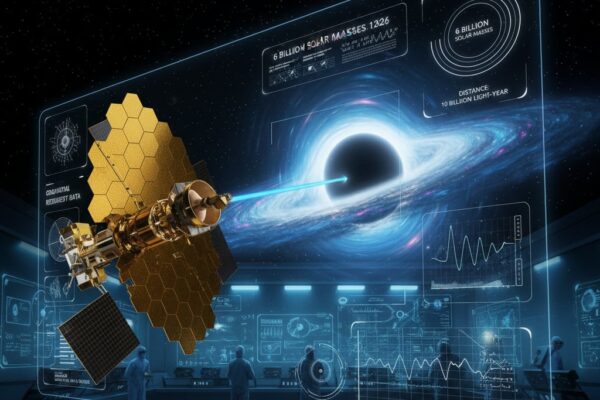
JWST Weighs ‘Sleeping Giant’ Black Hole 6 Billion Times Sun
The James Webb Space Telescope has weighed a dormant supermassive black hole from 10 billion light-years away, revealing it to be 6 billion times the mass of our Sun.







The James Webb Space Telescope has weighed a dormant supermassive black hole from 10 billion light-years away, revealing it to be 6 billion times the mass of our Sun.
How toxic dust from California’s shrinking Salton Sea is triggering asthma and lung disease in children—and what families are doing to survive.
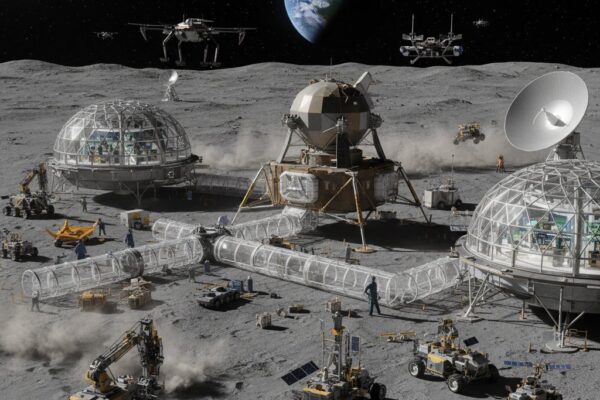
NASA’s Artemis Moon base is becoming reality with new rovers, landers, and drones. Discover how these technologies will transform lunar exploration and pave the way for Mars.
The Rosalia longhorn beetle, a brilliant blue saproxylic insect, faces extinction across Europe due to dead wood removal and climate change. Can conservation save it?

New research reveals investors reward companies with credible voluntary climate goals through higher stock prices and lower capital costs, signaling a market shift toward sustainability.
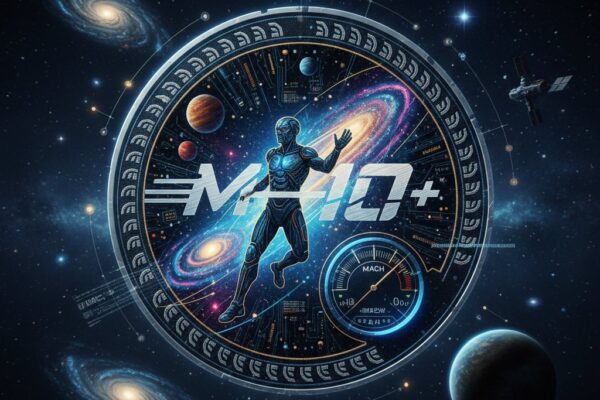
NASA’s new patch lets astronauts measure their speed in Mach from space, solving a decades-old challenge. Learn how it works and what it means for future missions.

An 11-year-old Ontario boy died from rabies after a bat touched his face while sleeping. No visible bite marks. Experts urge immediate medical attention for any bat exposure.

Georgia Tech student Diya Godavarti built a simple chemical safety model that predicts exposure risks from everyday spills. The tool could empower workers and level the playing field.
Europe’s deadly heat wave shifts east as hundreds of millions face dangerous temperatures. Overnight storms offered fleeting relief in France and Belgium, but the scorcher continues.

Conservation genomics offers powerful tools to protect biodiversity, but Indigenous leaders demand data sovereignty and respect for traditional knowledge. A movement for ethical science is growing.
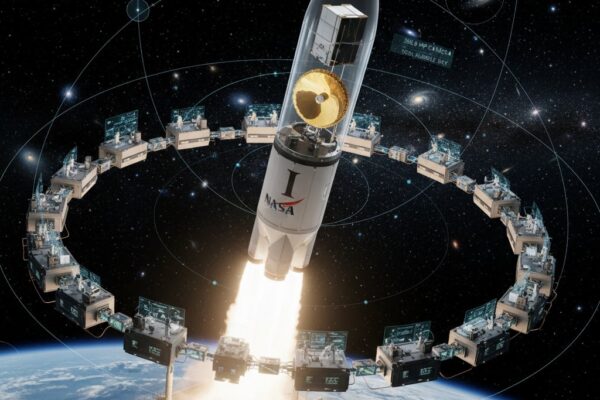
NASA’s Roman Space Telescope launches August 30, eight months ahead of schedule. Its 300.8-megapixel camera captures 100 times more sky than Hubble in one shot.
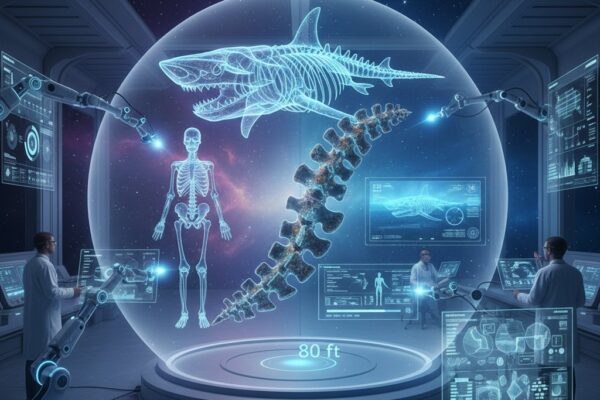
Lost megalodon vertebrae rediscovered in a Danish museum confirm the extinct shark reached 80 feet. New analysis reveals growth, age, and lifestyle insights.