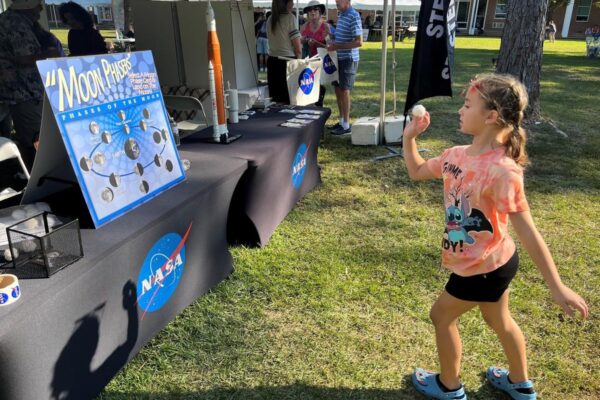
Playing the Moon Game: Apollo’s Secret Training in Alaska
Apollo astronauts trained for the Moon in Alaska’s Valley of Ten Thousand Smokes, a volcanic wasteland that taught them field geology. Now Artemis builds on that legacy.

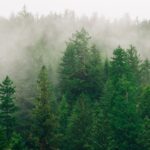
Apollo astronauts trained for the Moon in Alaska’s Valley of Ten Thousand Smokes, a volcanic wasteland that taught them field geology. Now Artemis builds on that legacy.
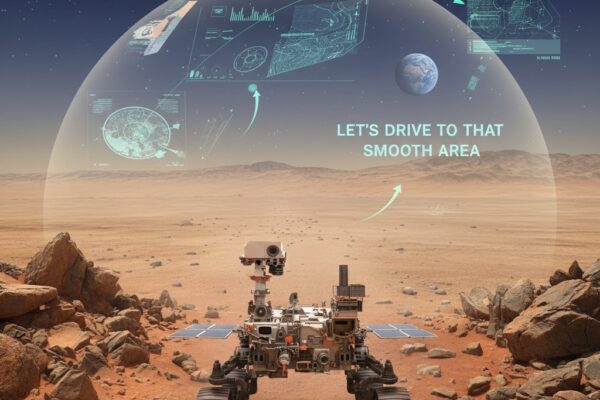
Curiosity rover targets a rare smooth patch on Mars that may hold proof of ancient water. Why this drive matters for future missions and sample return.

NASA names Sean Gallagher permanent CIO amid cybersecurity threats and IT modernization challenges. What this means for Artemis, data pipelines, and the agency’s future.

Forty drownings in France linked to extreme heatwave as Europe battles record temperatures. Climate experts warn of hidden dangers as deaths spike 300%.
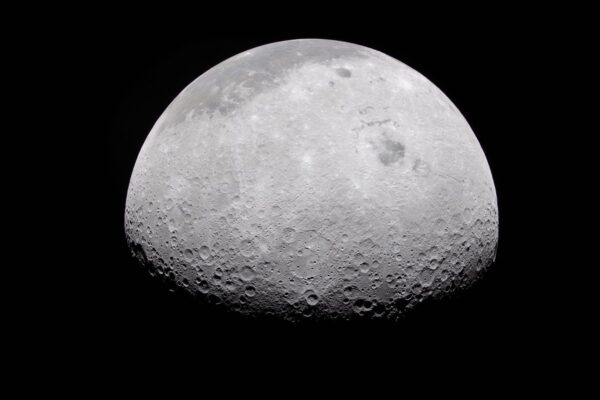
Artemis II crew captures stunning Moon terminator photo. Discover what the half-lit lunar surface reveals about geology, moonquakes, and our cosmic perspective.
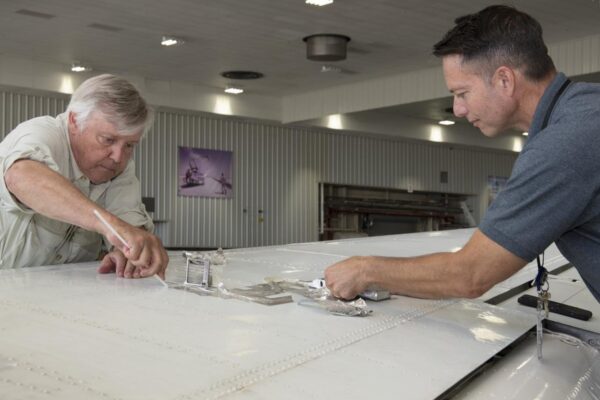
NASA’s flight test program transforms bold ideas into real technologies. Learn how the X-59 and other experimental aircraft prove designs before they reach the public.

NASA brings its Hyperwall to ALA 2026 in Chicago. Live storytelling sessions from June 26-29 at Booth #2243. Librarians, get ready for Earth and space science like never before.
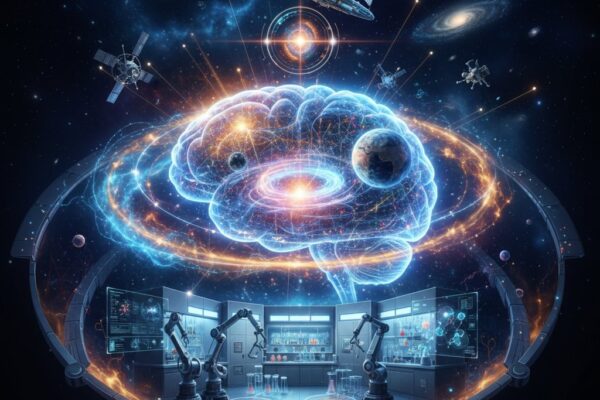
NASA’s Aeronautics Research Mission Directorate updated its solicitations page on June 23, 2026, opening new funding opportunities for electric flight, autonomy, and noise reduction. Here’s how to apply.
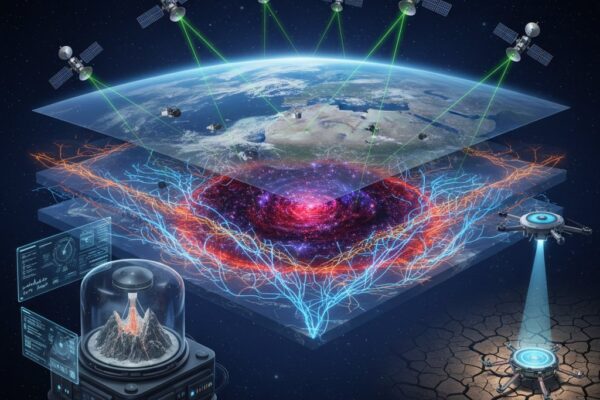
GFZ researchers uncover hidden seismicity patterns that precede large earthquakes using machine learning. A new approach could improve earthquake forecasting and preparedness.
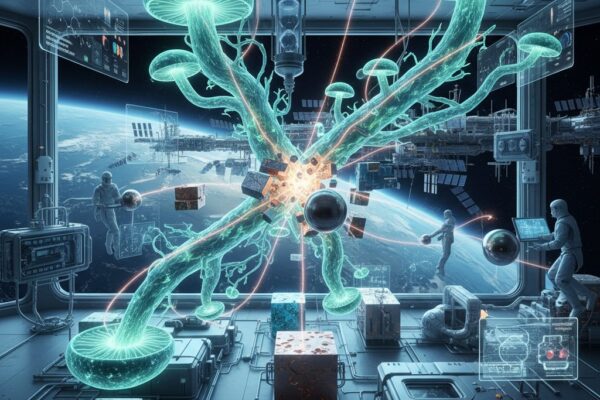
University of Queensland engineers have created a genetically modified fungus that extracts critical minerals from toxic mining waste while detoxifying the site. Could this be the greenest path to rare earth elements?
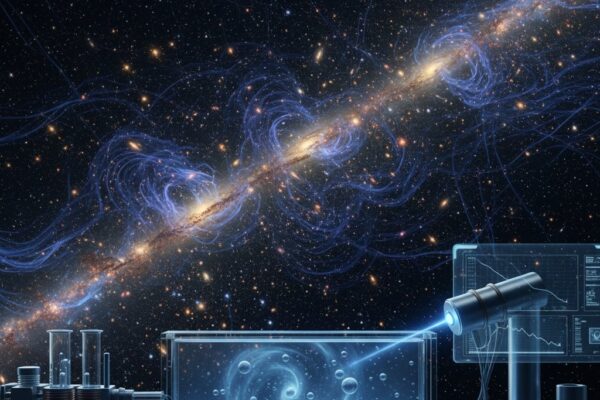
Dark matter may not be a cosmic loner. New theoretical models suggest a hidden dark force could slow the growth of galaxies and clusters, challenging standard cosmology and the S8 tension.
NTU Singapore scientists revive the 200-year-old Poisson spot phenomenon to create stable, hedgehog-like optical skyrmions. Simple setup, big implications for light manipulation.