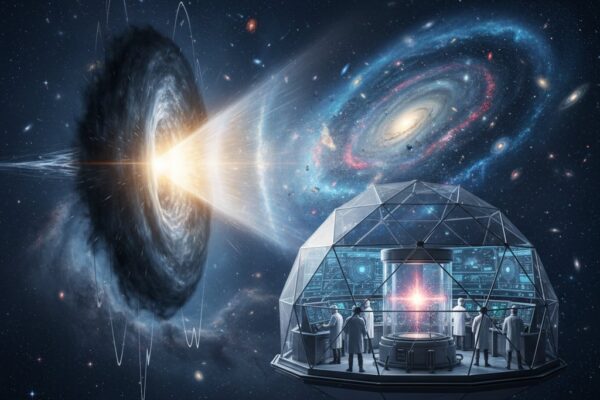
Could White Holes Solve the Mystery of the Big Bang?
Could white holes—objects that only spit out matter—explain the Big Bang? Theoretical physicists explore a cosmic bounce from a previous universe’s black hole.

Could white holes—objects that only spit out matter—explain the Big Bang? Theoretical physicists explore a cosmic bounce from a previous universe’s black hole.
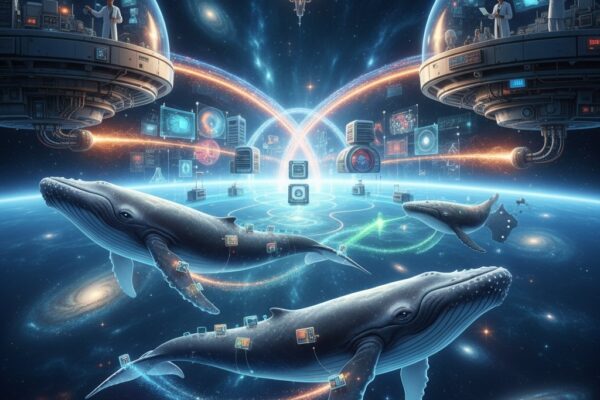
Two humpback whales stunned scientists by swimming from Brazil to Australia—a record-breaking 13,000 km journey. Here’s why it matters for conservation.
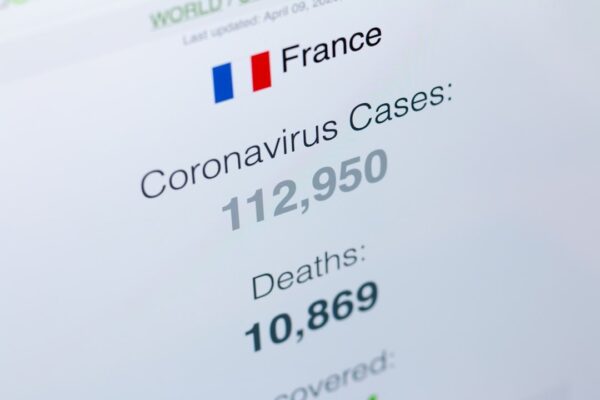
France recorded 2,025 excess deaths during a June heatwave as Europe braces for more extreme temperatures. Scientists link the intensity to climate change.
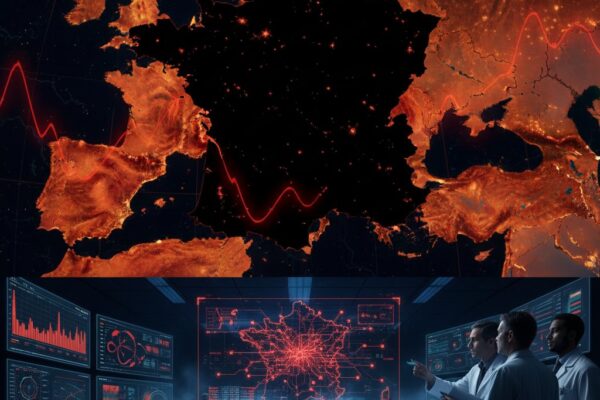
A blistering heat wave has knocked out power for tens of thousands in France as Europe shatters temperature records. Experts warn the grid isn’t ready for climate change.
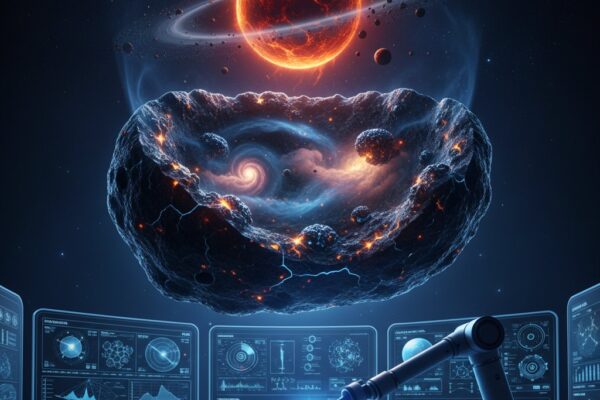
A rare meteorite found in Antarctica provides isotopic evidence of a giant protoplanet that existed in the early solar system, reshaping our understanding of planetary formation.
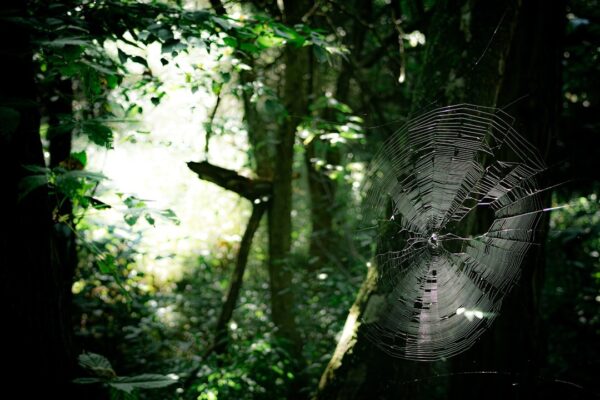
New research shows spiders thrive in monotonous managed forests, challenging the ecology dogma that habitat heterogeneity always boosts biodiversity. Conservation implications explored.
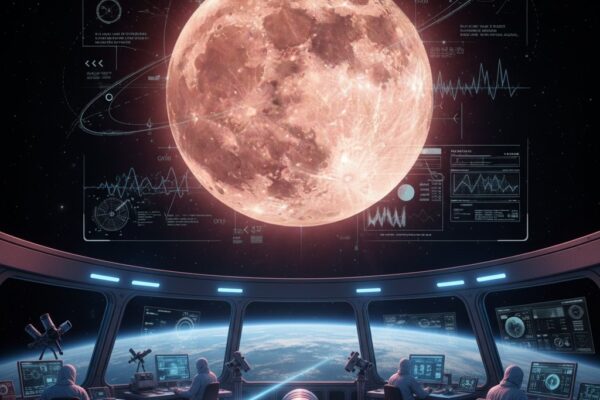
The Strawberry Moon – summer’s first full Moon – rises over UK skies on June 21. Here’s how to watch, the science behind the name, and what it means for tides and skywatchers.
Scientists discovered living yeast in the gut of 5,300-year-old mummy Ötzi the Iceman and used it to bake sourdough bread. Here’s how.
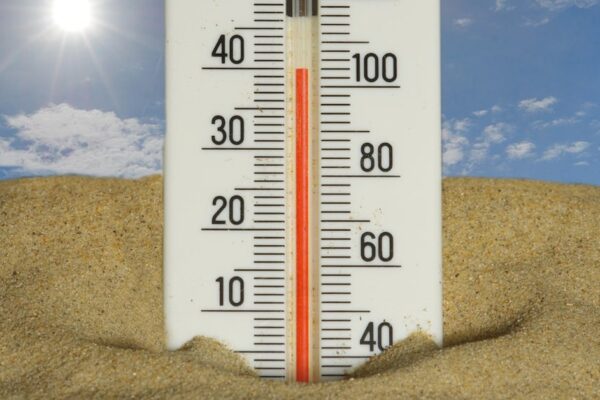
A weekend cooldown offers brief relief, but the record-breaking heatwave gripping the UK and Europe will intensify again next week. Climate scientists explain why.
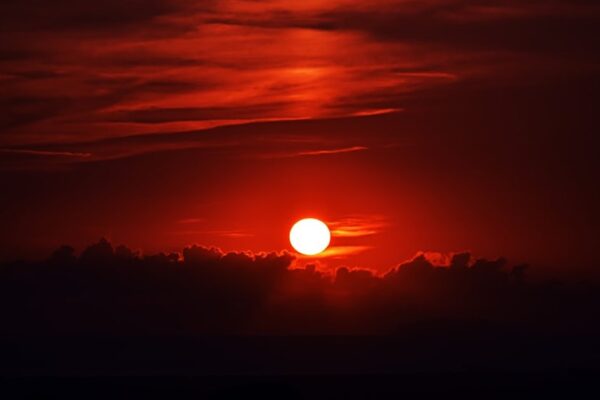
Why wildfire smoke turns the sun red at midday—and what that tells you about air quality, fire season trends, and your health. Science you can see.
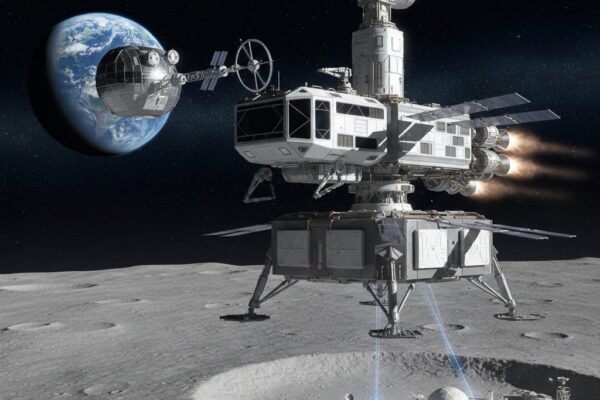
NASA revises Artemis lunar lander plans with dual-SpaceX and Blue Origin approach. Learn how Starship and Blue Moon will enable sustainable Moon missions by 2026.
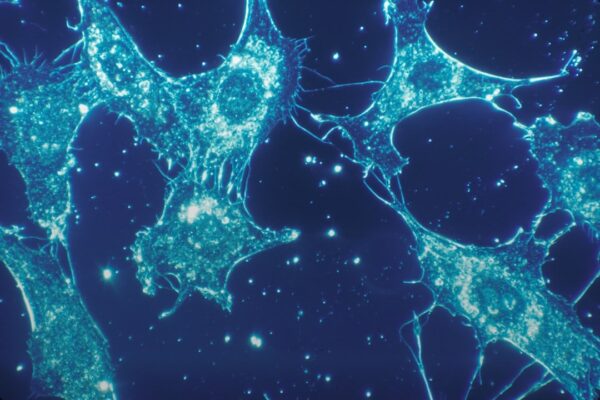
SpudCell, a synthetic cell with most hallmarks of life, blurs the line between chemistry and biology. Learn why it was built, whether it’s alive, and what comes next.