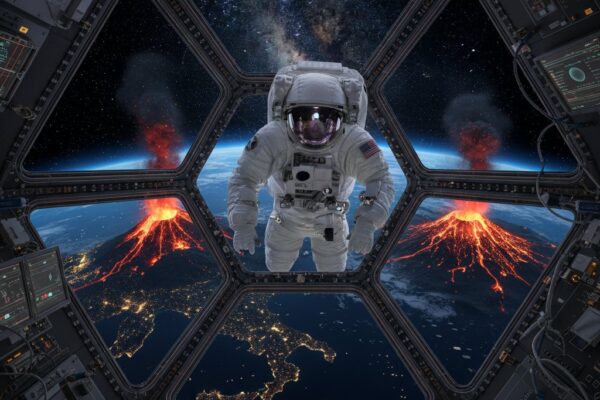
Astronaut Captures Stunning Views of Mount Etna and Vesuvius from ISS
NASA astronaut aboard ISS captures stunning photos of Mount Etna and Mount Vesuvius from orbit. See the images and learn what scientists are learning from them.







NASA astronaut aboard ISS captures stunning photos of Mount Etna and Mount Vesuvius from orbit. See the images and learn what scientists are learning from them.
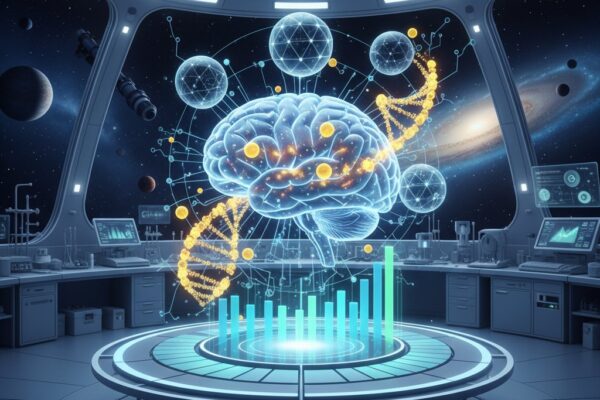
New dose-response meta-analysis of 21 RCTs finds vitamin D supplements improve depression, with optimal doses between 1,200 and 2,000 IU daily.
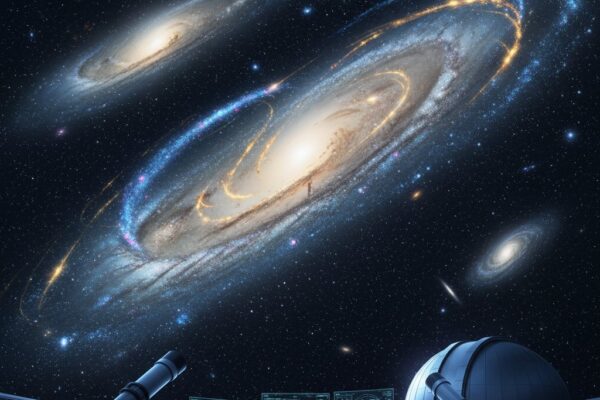
New research reveals the Milky Way’s ancient collision with Gaia-Enceladus rewired its structure. Now, the Andromeda Galaxy is on course to merge with ours in 4.5 billion years.
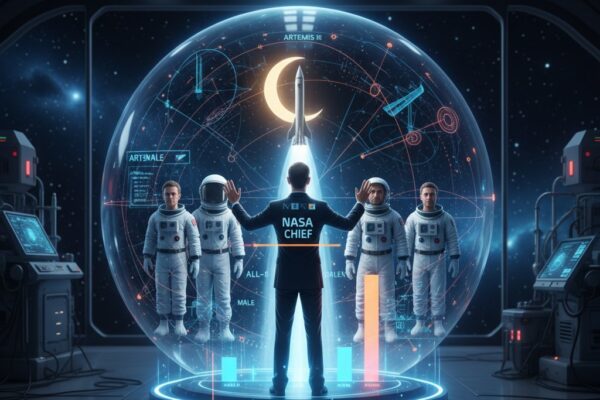
NASA Administrator Bill Nelson defends the all-male Artemis III crew amid backlash, citing safety and scheduling. Critics call it a diversity failure with implications for the agency’s future.
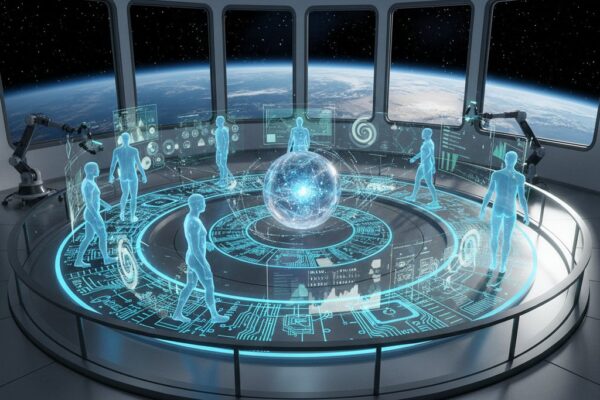
Humans unconsciously drift left and walk anticlockwise across all ages, sexes, and countries. Scientists are still unsure why this universal bias occurs.
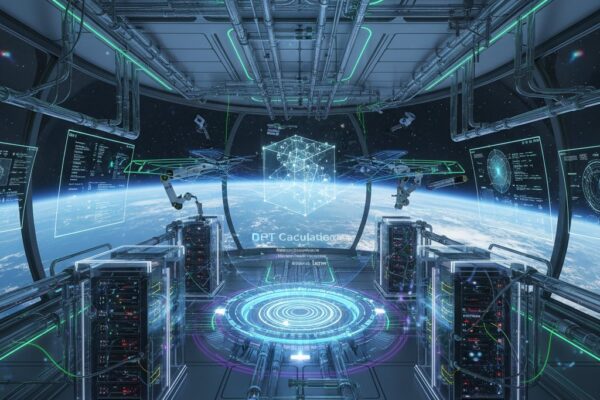
Explore how DFT calculations and the init_lapw code in WIEN2k enable precise predictions of material properties, from battery cathodes to superconductors, reshaping materials science.
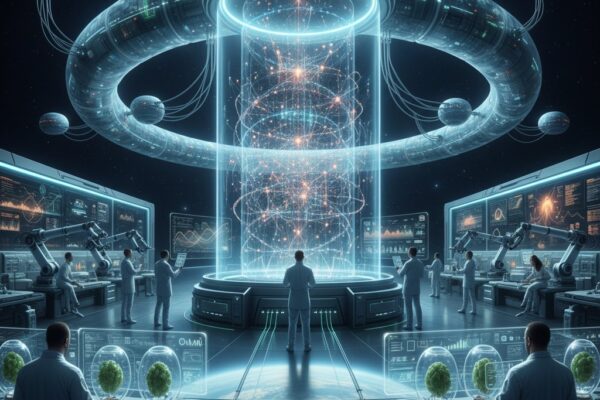
As AI decouples labor from survival, the risk of civil unrest grows. Explore historical precedents, policy solutions like UBI, and what the transition means for society.
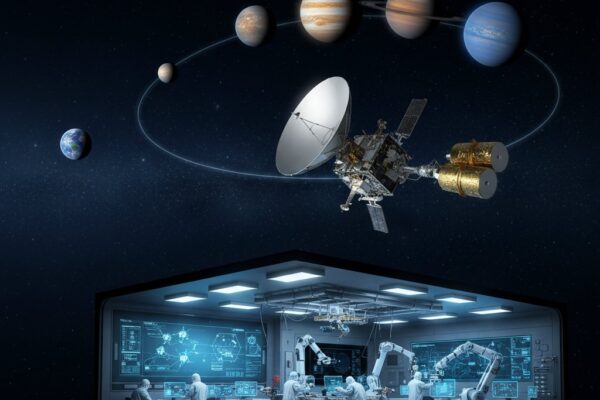
Voyager 2, launched in 1977, is the only spacecraft to visit Jupiter, Saturn, Uranus, and Neptune. Now 49 years old, it continues to send data from interstellar space.
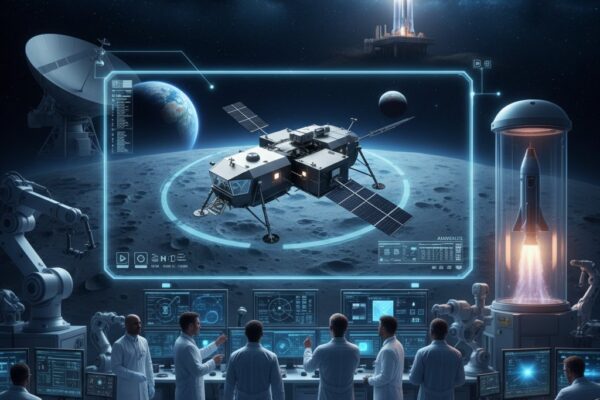
NASA’s Artemis III announcement stream reveals landing plans near the Moon’s south pole for a 2025 mission. Live updates on crew, lander, and scientific goals.
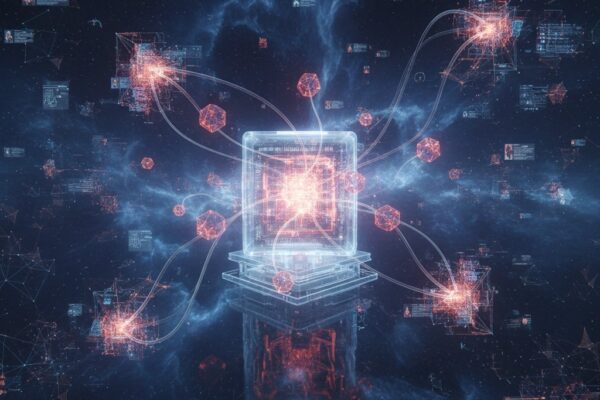
By 2026, human-generated data for AI training may run out. Explore model collapse, synthetic data risks, and the future of machine learning in a post-human-data world.
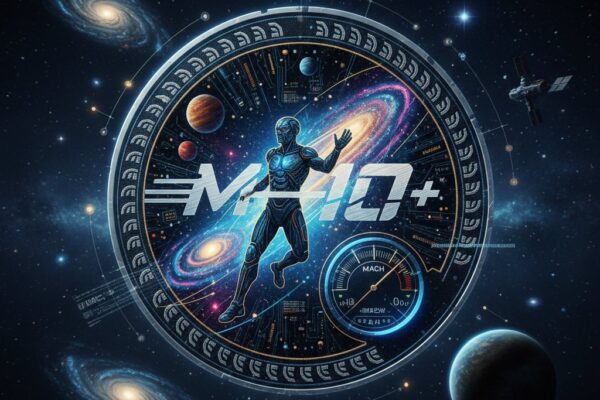
NASA’s new patch lets astronauts measure their speed in Mach from space, solving a decades-old challenge. Learn how it works and what it means for future missions.
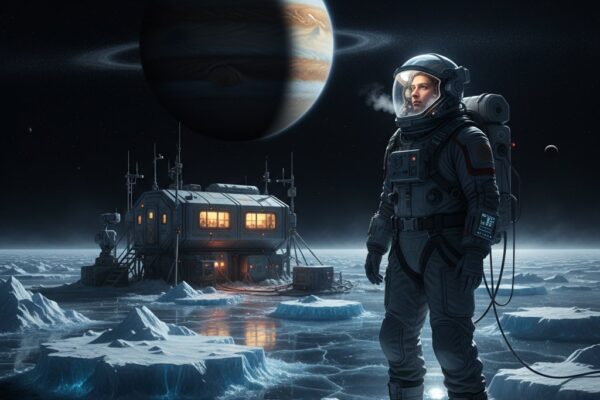
What would it feel like to stand on Europa? Extreme cold, lethal radiation, and a fractured ice landscape. A planetary scientist explains the visceral reality of Jupiter’s moon.