Altermagnetism: The Third Magnetic Force Reshaping Physics
The 2026 Europhysics Prize honors altermagnetism, a third magnetic class that could revolutionize data storage, quantum computing, and energy efficiency.








The 2026 Europhysics Prize honors altermagnetism, a third magnetic class that could revolutionize data storage, quantum computing, and energy efficiency.
NASA’s ESCAPADE spacecraft captures Earth and Moon in visible and thermal infrared from 363,000 miles. Why this calibration image matters for Mars exploration and small satellite tech.
Hubble spots spiral galaxy NGC 4654 with one bright arm and one dim arm. Ram pressure stripping and gravitational encounters explain the lopsidedness — and it may preview the Milky Way’s future.
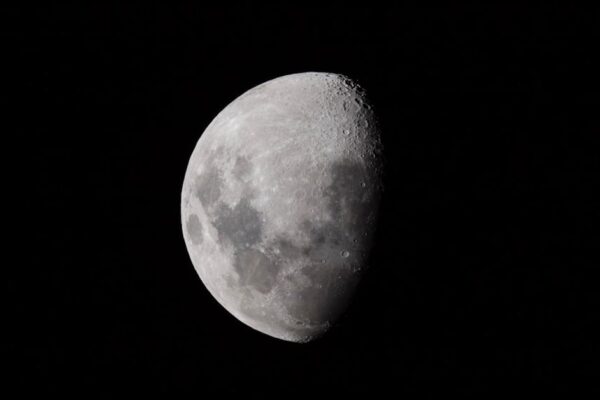
As lunar missions multiply, scientists argue for protected zones to preserve the Moon’s pristine environment for future research. Should we designate ‘research reserves’ on the Moon?

The July 23, 2026 careers and education thread reveals how AI is reshaping jobs. Learn practical steps to future-proof your career without panicking.

New research shows rhesus macaques categorize shapes like circles and squares using the same mental rules as humans, challenging our sense of cognitive uniqueness.

The smoky skies across North America in July 2026 weren’t just an air quality event. Brown carbon, a complex pollutant from wildfires, changed the rules—and the risks.
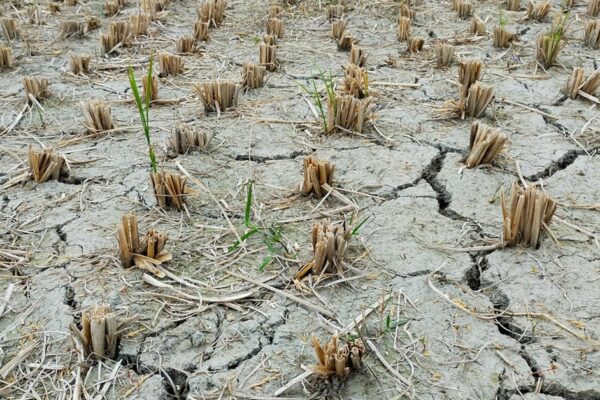
Central England faces its longest dry spell in 30 years, raising drought fears. What this means for farms, gardens, and your water bills.
Maine’s coastline splits dramatically at Portland: sandy beaches to the west, rocky cliffs to the east. Geology and sediment distribution explain the contrast and shape coastal hazards.
Explore the rise of Mexico’s most powerful drug cartel, CJNG, its fentanyl empire, global reach, and the challenges of stopping a ruthless criminal organization.

Wales’ controversial Sustainable Farming Scheme finally launches with £1B budget after years of protests and delays. Here’s what it means for farmers and the environment.

A century-old mystery of Theta Eridani’s changing brightness is finally explained: the star pulsates with a 95-year cycle. Ancient astronomers were right all along.