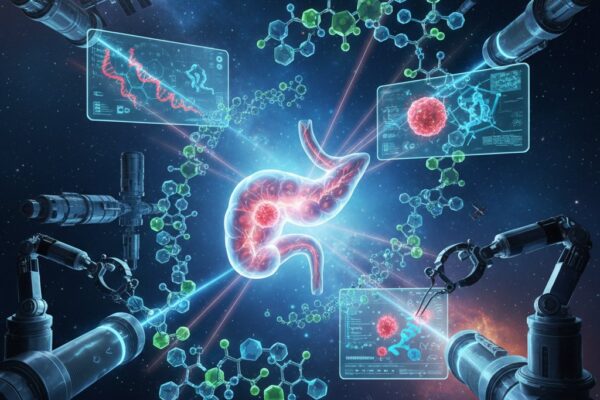
Aspartame May Raise Risk of Pancreatic Cancer, Study Finds
A new French epidemiological study links aspartame consumption to increased risk of pancreatic ductal adenocarcinoma. Researchers urge regulatory review and consumer caution.








A new French epidemiological study links aspartame consumption to increased risk of pancreatic ductal adenocarcinoma. Researchers urge regulatory review and consumer caution.
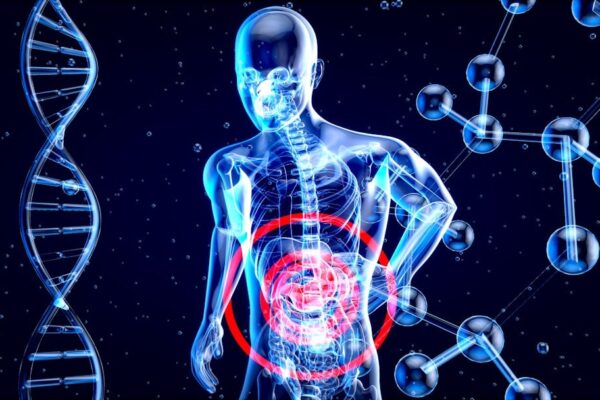
A large-scale study identifies a robust gut microbiome signature for colorectal cancer linked to low fiber intake. A dietary fiber intervention partially reversed the signature.
An 11-year-old Ontario boy died from rabies after a bat touched his face while sleeping. No visible bite marks. Experts urge immediate medical attention for any bat exposure.
Astronomers have discovered two exoplanets, WASP-193b and Kepler-51d, with densities lower than cotton candy. These ‘super-puffs’ challenge planetary formation models.

A 27,500-year-old bear attack victim in Italy reveals Paleolithic mourning rituals: red ochre, fox-teeth headdress, and deliberate wound covering, proving grief is ancient.

A new study reveals that the sequence in which species disappear from grasslands dramatically alters ecosystem stability, with major implications for conservation and climate resilience.

New King’s College London study finds invasive plants succeed because of ancient evolutionary traits, not recent adaptation—a discovery with major implications for climate change and biosecurity.

A new University of New Hampshire study reveals that solar storms can weaken rain and snow across North America. The discovery may upend weather forecasting.

Scientists analyzed oxygen isotopes in 15-million-year-old giant bird eggshells from the Miocene and found plants were transpiring heavily under high CO₂—a warning for today’s warming world.

Reusable rocket tanks must survive brutal cryogenic thermal cycles without cracking. From aluminum-lithium alloys to friction stir welding, here’s the science behind the deep freeze.

A new study finds that lead and arsenic levels in soils from burned LA homes vary wildly even between neighboring properties, raising urgent health and equity concerns for wildfire recovery.

University of Alberta researchers engineered a human-derived peptide, D-GK, that kills superbugs in preclinical tests. Could this be a new weapon against antimicrobial resistance?