








“The UK is experiencing a dramatic swing between weather extremes, with prolonged droughts and record-breaking heat waves now followed by sudden deluges,” says the UK Met Office in its latest State of the Climate report. That’s not just a bad week — it’s a pattern scientists call climate whiplash, and it’s rewriting the rules for everything from your garden to the national water grid.
My read is that this isn’t just about hotter summers or drier springs. It’s about the pace of change. The UK has always had variable weather, but what we’re seeing now is a jarring, rapid-fire oscillation between extremes that leaves little time to adapt. Think of it like a runner forced to sprint, then immediately crawl — then sprint again. That’s what’s happening to our ecosystems, infrastructure, and health systems.
What Is Climate Whiplash, Exactly?
Climate whiplash refers to rapid swings between opposite extremes — say, from drought to flooding, or from a heat wave to a cold snap. In the UK this year alone, we’ve seen the driest February in decades, followed by a record-breaking June heat wave that shattered all-time highs in parts of England, then a July that brought flash floods to London and the South East. The Met Office confirmed that the first half of 2023 saw both the lowest rainfall in 50 years for some areas and the highest temperatures ever recorded in June.
The culprit? A change in the jet stream — that fast-moving river of air high in the atmosphere that steers our weather systems. Normally, the jet stream keeps low-pressure systems moving across the Atlantic, bringing regular rain. But as the Arctic warms faster than the mid-latitudes, the jet stream weakens and becomes wavier. That means weather patterns get stuck — a high-pressure system can park over the UK for weeks, causing drought and heat, before suddenly shifting to allow a train of storms to barrel through. This isn’t speculation; climate models have been predicting this for years, and now we’re living it.
And it’s not just the UK. Similar whiplash is being documented across North America, Europe, and Asia. But the UK’s geography — an island at the mercy of Atlantic weather — makes it especially vulnerable.
From Parched Lawns to Flooded Homes: The Real Cost
So what does this mean for you? Start with water. During the heat wave, the UK’s water companies imposed hosepipe bans across much of England. Reservoirs dropped to dangerously low levels. Then, just weeks later, heavy rains caused localised flooding, with some areas receiving a month’s worth of rain in a day. The ground, baked hard by drought, couldn’t absorb the water — leading to flash floods that overwhelmed drains and flooded homes.
Agriculture is taking a hit too. Farmers reported stunted crops in the dry spring, then waterlogged fields in the summer. The National Farmers’ Union warned that the erratic weather is pushing some farms to the brink, with yields for wheat and barley down significantly. And if you’ve noticed your supermarket bill creeping up, weather extremes are partly to blame.
There’s also a health angle. Heat waves kill more people in the UK than any other natural hazard — the 2022 heat wave, for instance, led to over 3,000 excess deaths, according to the UK Health Security Agency. Then the sudden switch to wet weather can increase mould and respiratory issues. It’s a one-two punch that public health systems aren’t designed for.
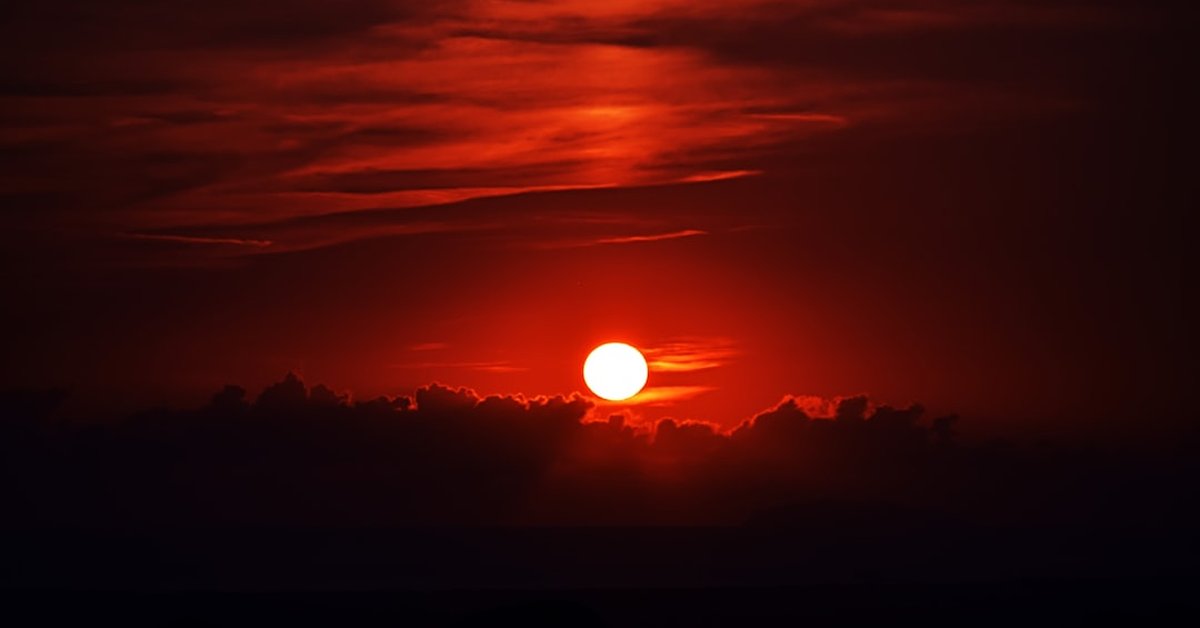
During the recent heat waves, the sun often appeared red or orange due to wildfire smoke carried across the Atlantic from Canadian fires. That eerie phenomenon isn’t just a photo op — it’s a reminder that climate whiplash is a global chain reaction. If you want to understand how that smoke alters sunlight, check out my piece on Why Your Sun Looks Red: Wildfire Smoke Science You Can See.
The Jet Stream Connection: Why This Is Getting Worse
The underlying driver is clear: human-caused climate change. As the planet warms, the temperature difference between the Arctic and the mid-latitudes shrinks, which slows the jet stream and makes it more prone to dramatic meanders. This isn’t just theory — a 2023 study in Nature Communications found that the frequency of summer jet stream waviness has increased significantly since the 1980s, and is linked to more extreme weather in Europe.
But there’s a deeper issue: the UK’s infrastructure was built for a climate that no longer exists. Victorian-era sewers can’t handle sudden downpours. Homes designed for mild temperatures lack insulation or cooling. The National Grid struggles with surging demand during heat waves. And our water system, which relies on winter rains to fill reservoirs, is failing when the rain comes in short, intense bursts that run off rather than soaking in.
Look, I’m not saying the sky is falling. But the evidence is mounting that we need to adapt — and fast. The government’s Climate Change Committee has repeatedly warned that the UK is not prepared for the impacts of a 2°C warming, let alone the 3-4°C we’re currently on track for. Climate whiplash is the symptom; resilience is the cure.
What You Can Do (And What Should Be Done)
Individually, there are steps you can take. Install a water butt to capture heavy rain for use during dry spells. Check your home’s flood risk — the Environment Agency offers free online maps. And when a heat wave hits, look out for vulnerable neighbours. But these are sticking plasters.
The bigger shifts need to come from government and industry. We need to upgrade drainage systems, build more reservoirs, and redesign homes to handle both heat and flood. We need a national water strategy that doesn’t assume a steady climate. And crucially, we need to cut emissions — fast — because every fraction of a degree of warming makes the jet stream more unruly.
One promising idea is to use natural flood management — restoring peat bogs, planting trees, and creating wetlands that can absorb excess water and release it slowly. These same measures also help during droughts by retaining moisture in the landscape. It’s a win-win, but it requires investment and political will.
The Met Office puts it starkly: ‘The UK’s climate is changing. We are seeing more frequent and intense extremes, and the pattern of whiplash between them is a clear signal of a warming world.’
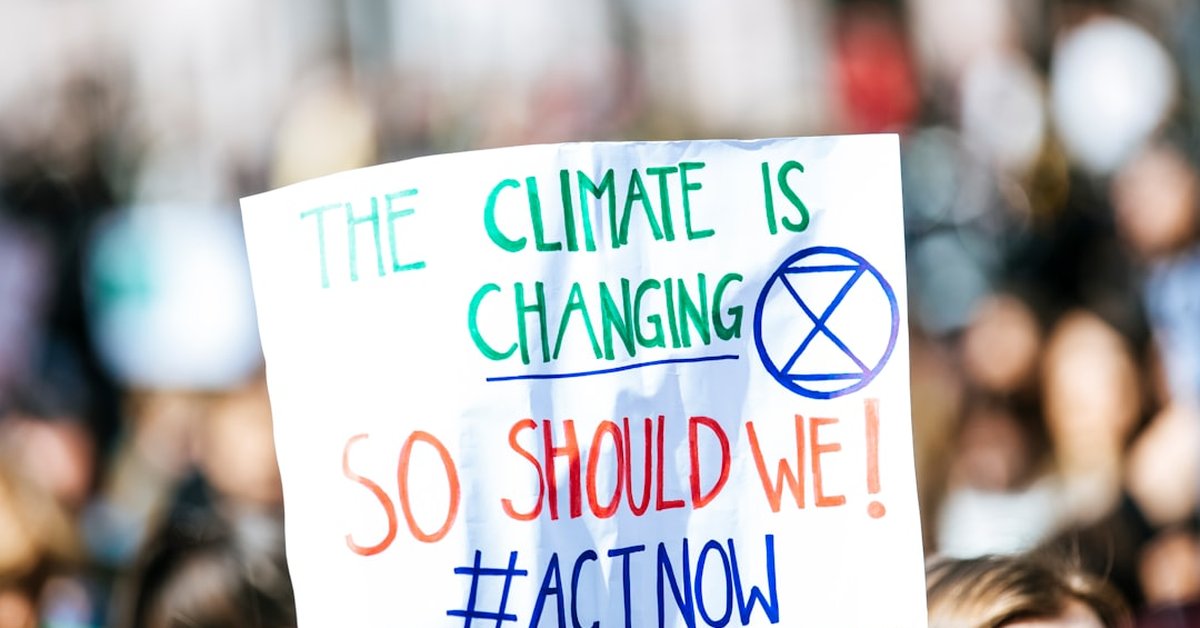
We’re not going to stop climate whiplash overnight. But we can adapt to it — if we take it seriously. That means accepting that the UK’s weather has become a rollercoaster, and building tracks that can handle the ride.
As for the bigger picture, scientists are also exploring whether we can predict these whiplash events weeks or months ahead. The Met Office is working on seasonal forecasts that might give farmers and water companies a heads-up. But for now, the best advice is to expect the unexpected — and prepare for both extremes.
Frequently Asked Questions
What is climate whiplash?
Climate whiplash describes rapid swings between extreme weather conditions, such as going from a severe drought to heavy flooding within a short period. In the UK, this is driven by changes in the jet stream caused by climate change.
How does the jet stream cause climate whiplash in the UK?
The jet stream is a band of strong winds high in the atmosphere that steers weather systems. As the Arctic warms faster than the equator, the jet stream weakens and becomes wavier, causing weather patterns to stall or shift abruptly. This can lock a high-pressure system over the UK for weeks (drought/heat) then suddenly allow low-pressure systems to bring heavy rain (flooding).
What can I do to protect my home from climate whiplash?
Consider installing a water butt to collect rainwater for dry spells, checking your property’s flood risk via the Environment Agency website, and improving drainage around your home. For heat waves, ensure good ventilation and shade, and check on elderly neighbours. On a community level, support local projects that restore wetlands or plant trees to manage both flood and drought.