







If you’ve never seen the Belt of Venus, the August Buck Moon is your perfect excuse to finally look up. Most people know the full moon as a bright white disk, but few realize that when it rises, it’s often accompanied by a pinkish band hugging the opposite horizon. That’s the Belt of Venus — and it’s not a celestial belt at all. It’s your own planet’s shadow, cast onto the atmosphere. And the Buck Moon, rising just as the sun sets, makes it the easiest time of year to spot this subtle phenomenon.
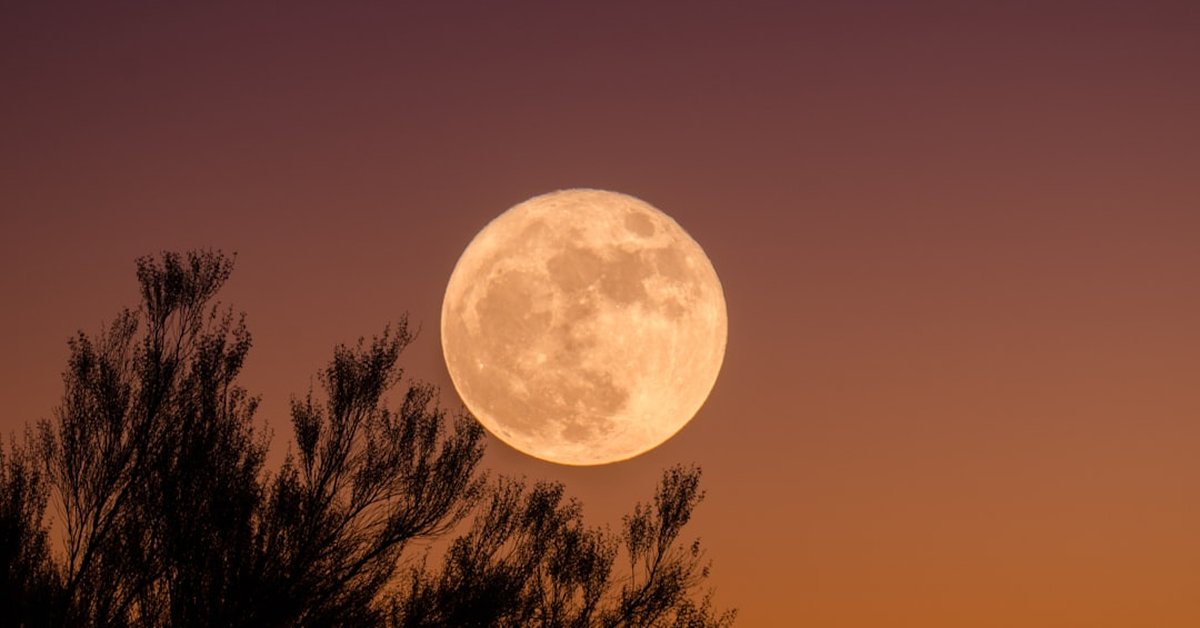
The Astronomy Picture of the Day for August 1, 2026, captured exactly this: a full moon climbing above a landscape, with a soft pink arc below it. The image is stunning, but the science behind it is even better. So let’s break down what’s really happening up there — and why you should care.
The Belt of Venus: Earth’s Shadow in Plain Sight
The Belt of Venus appears during twilight, on the side of the sky opposite the sun. It’s a pinkish band that sits just above the horizon, with a darker blue-gray region below it. That darker region is Earth’s shadow projected onto the atmosphere. The pink band is the atmosphere still lit by the sun, but scattered by the same physics that make sunsets red.
Here’s the simple version: sunlight travels through more atmosphere at sunset. Shorter blue wavelengths scatter away, leaving longer reds and oranges. The Belt of Venus is the backscatter of that reddened light — the part of the atmosphere that’s still in sunlight, seen against the dark shadow of the Earth. It’s like a reverse sunset, painted across the sky.
And yes, the same scattering that turns smoke-filled sunsets deep red can intensify the Belt of Venus. I wrote about that in my piece on wildfire smoke science — the aerosols from wildfires make the sky redder, and they also make the Belt of Venus more vivid. So if you’re in a region with wildfire smoke, you might get an even more dramatic show.
Why the Buck Moon Makes It Perfect
The Buck Moon is the full moon of August, named by Native American tribes for the time when male deer grow new antlers. It’s not special in size or brightness (that’s a myth), but it is special in timing. In August, the full moon rises near sunset and sets near sunrise, putting it directly opposite the sun. That means the Belt of Venus is visible on the opposite horizon just as the moon rises.
Most full moons rise when the sky is still bright, washing out the Belt of Venus. But the Buck Moon rises during the deeper twilight of summer evenings, when the sun is far enough below the horizon to make Earth’s shadow pop. The result: a perfect alignment of moon, shadow, and twilight pink.
Think of it like a cosmic photo op. The moon is the subject, but the Belt of Venus is the backdrop — and it’s only available for a few minutes each evening. So timing matters. The best viewing is about 20–30 minutes after sunset, looking east (opposite the sunset direction). The moon will be low, and the pink band will be just above the horizon.
How to See It Yourself
You don’t need a telescope. You don’t need dark skies. You just need a clear horizon to the east, and a clear horizon to the west. The Belt of Venus is visible to the naked eye — look for a pale pink band above the horizon, with a blue-gray band below it. That’s Earth’s shadow.
Here’s a practical tip: use the moon as a guide. If the moon is rising, the Belt of Venus will be on the opposite side of the sky. If the moon is setting, you’ll see the Belt of Venus in the morning before sunrise. For the Buck Moon, evening is better because the moon rises at dusk.
But there’s a catch: the Belt of Venus is most visible when the atmosphere is clear. Clouds, haze, and light pollution can obscure it. So if you’re in a city, find a park or rooftop with a low horizon. And if you’re in wildfire country, you might see a deeper pink — but also reduced visibility overall. It’s a trade-off.
What This Means for Skywatchers
The Belt of Venus isn’t just pretty. It’s a natural diagnostic tool. The color and intensity of the pink band tell you about the amount of aerosols in the atmosphere — dust, smoke, volcanic ash. Historically, major eruptions like Krakatoa (1883) and Pinatubo (1991) produced vivid, long-lasting Belts of Venus. So next time you see a particularly bright one, ask yourself: what’s in the air?
This is where the Buck Moon connection gets interesting. Because the full moon provides a fixed reference point, you can use it to compare the Belt of Venus from year to year. Is it pinker? More diffuse? Brighter? Keep a log. Citizen science projects like GLOBE at Night already track light pollution; someone should start one for the Belt of Venus.
Look, I’m not saying you’ll discover an eruption. But you might notice the long-term drift of aerosols from climate change — more droughts, more fires, more dust. The sky is a mirror of the planet. The Buck Moon and Belt of Venus are one of the easiest ways to see that mirror, if you know where to look.
So here’s what I want you to do: on the next clear evening near the full moon, go outside. Don’t just look at the moon. Turn around. Look at the opposite horizon. Find the pink. And remember that what you’re seeing is the shadow of the Earth, cast across the air you breathe. It’s a humbling thought — and a beautiful one.
Frequently Asked Questions
What is the Belt of Venus?
The Belt of Venus is a pinkish band of light visible during twilight, opposite the sun. It’s caused by the Earth’s shadow blocking direct sunlight on the atmosphere, while the remaining sunlight is scattered red. The darker band below it is the actual shadow of the Earth.
Why is the August full moon called the Buck Moon?
The Buck Moon is a traditional name for the full moon in August, originating from Native American cultures. It refers to the time when male deer (bucks) grow new antlers. Other names include the Sturgeon Moon and Green Corn Moon.
How can I see Earth’s shadow?
The easiest way is to look at the horizon opposite the sun during twilight, about 20–30 minutes after sunset or before sunrise. You’ll see a dark blue-gray band (Earth’s shadow) and a pink band above it (the Belt of Venus). The full moon rising or setting provides a convenient reference point.