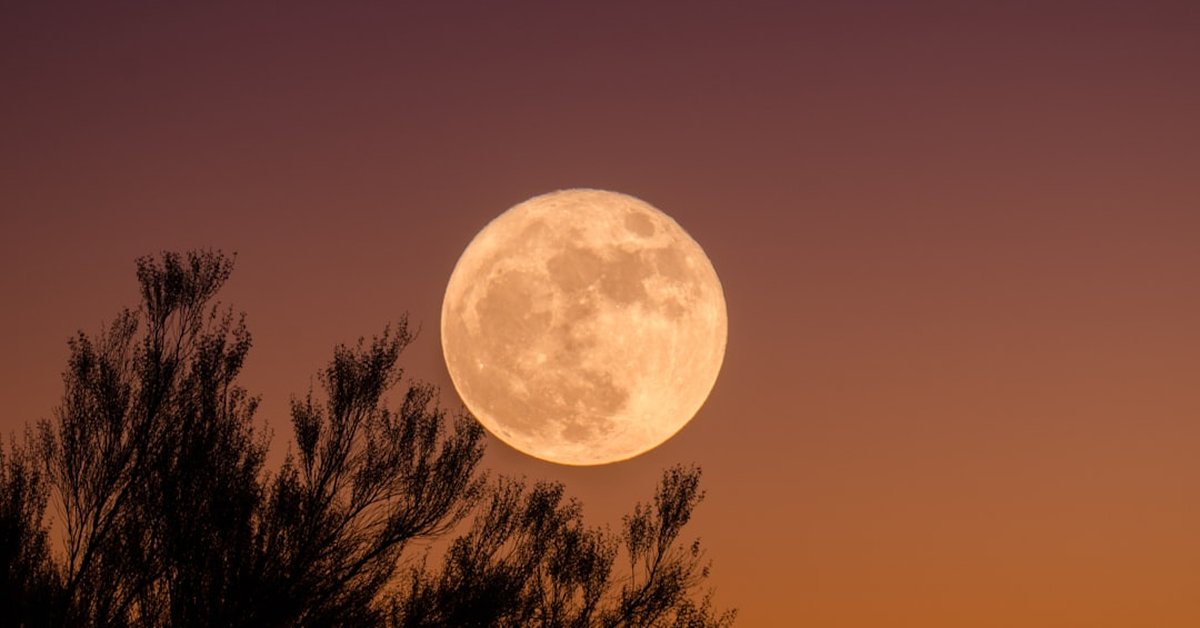







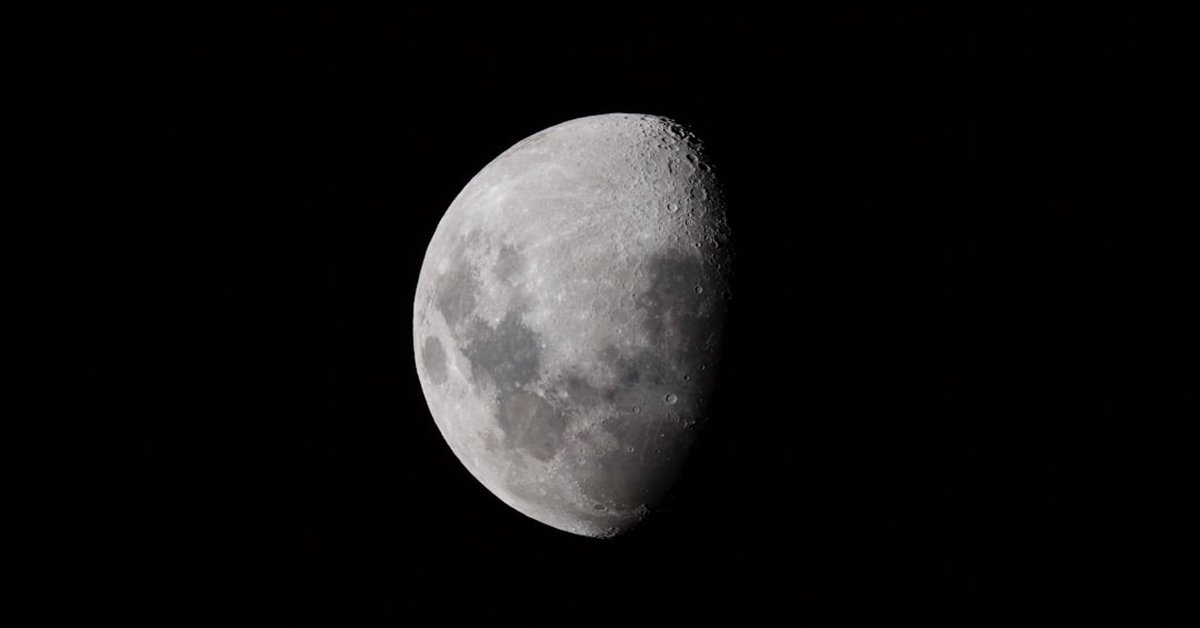
Picture a landscape so still that a single footprint left today will remain for millennia. The Moon’s surface is exactly that—a pristine archive of the solar system’s history, unaltered by atmosphere, water, or life. But the clock is ticking. With NASA‘s Artemis program targeting repeated landings, private companies eyeing lunar mining, and a dozen nations planning missions, the Moon faces a contamination crisis that most people haven’t even heard of. And a growing number of scientists are calling for something radical: designated ‘research reserves’—protected zones where no human activity is allowed, so that the Moon’s natural state can be studied for generations.
This isn’t some fringe idea. It’s rooted in the same logic that gave us Antarctica’s protected areas and the wilderness zones of national parks. The question is whether we can act fast enough to set aside lunar real estate before the inevitable rush stampedes over it.
The Moon as a Natural Laboratory
Every rock on the Moon tells a story. The ancient basalts record volcanic eruptions that happened before Earth even had continents. The polar craters preserve ice that may hold clues to the origin of water in the inner solar system. And the regolith itself—the powdery surface layer—has been quietly collecting particles from the Sun and interstellar space for billions of years, unaffected by any biological process.
That’s what makes the Moon uniquely valuable. It’s a clean slate. But the moment we land, we bring terrestrial microbes, exhaust gases, and physical disturbances. Even a single landing can kick up dust that travels miles, potentially altering the chemical makeup of nearby sites. The need to protect these landscapes before they are altered—much like the urgency highlighted in our coverage of wildfire smoke impacts—is driving a new conversation among planetary scientists.
Look, we already have rules. The Outer Space Treaty of 1967 says nations must avoid harmful contamination of the Moon and other celestial bodies. But it’s vague. It doesn’t spell out what ‘harmful’ means, and it certainly doesn’t set aside specific areas. Today, the Committee on Space Research (COSPAR) provides guidelines for planetary protection, but they focus on avoiding biological contamination of Mars and icy moons—not the Moon. The Moon is often treated as a dead world, so why bother?
But here’s the thing: the Moon is not dead in the scientific sense. It’s a record. And once that record is disturbed, you can’t get it back.
What a Lunar Research Reserve Would Look Like
In 2023, a group of scientists from the University of Arizona and several other institutions proposed the concept of ‘lunar heritage zones’—areas that would be off-limits to all spacecraft and human activity except for purely scientific study. Think of them as national parks on the Moon. The idea is to identify a few key sites—perhaps a permanently shadowed crater at the south pole, a pristine lava tube, or a patch of ancient highlands—and cordon them off.
These wouldn’t be fences. On the Moon, you can’t put up a fence. Instead, they’d be international agreements: no landings within a certain radius, no rover traffic, no mining. The zones would be monitored by orbital assets, and any violation would be a diplomatic breach. The proposal is modeled on the Antarctic Specially Protected Areas (ASPAs), which restrict access to fragile ecosystems on Earth’s southern continent. It works there. It could work on the Moon.
But here’s the rub: who enforces it? The Moon has no police. And the nations and companies heading there are under no legal obligation to respect voluntary zones. The Artemis Accords, signed by 30+ countries, encourage ‘safety zones’ around landing sites to prevent interference, but those are temporary and designed to protect operations, not science. A research reserve would be permanent and would restrict access—not expand it.
So the debate is not just about science. It’s about power. Who gets to decide what part of the Moon is off-limits? And what happens when a mining company discovers a rare earth deposit exactly where scientists want a reserve?
Lessons from Earth: The Antarctic Model
The Antarctic Treaty System is a useful precedent. Signed in 1959, it set aside the entire continent for peaceful scientific research and prohibited military activity, mining, and nuclear tests. Over time, the treaty added environmental protocols that designate specific areas as ‘Antarctic Specially Protected Areas’—places where even scientists need a permit to enter. The result? Some of the most pristine ecosystems on Earth have been preserved, even as research stations and tourism grew.
But the Moon is different. It’s not a continent with a treaty that has stuck for 60 years. The Moon is governed by a mishmash of international law, national space laws, and commercial interests. The Outer Space Treaty explicitly forbids national appropriation of the Moon, but it doesn’t say anything about private companies. That loophole is already being exploited: in 2020, the U.S. issued an executive order encouraging commercial mining on the Moon, and several companies have filed for extraction rights with the U.S. government.
This is where the ‘research reserve’ idea gets political. If we can’t agree on who owns the Moon, how can we agree on who gets to protect parts of it? Some argue that the only way to ensure protection is to have a binding international agreement, like a new treaty. Others say that’s unrealistic and that the private sector should self-regulate—like a code of conduct for lunar operators. But the history of self-regulation in space isn’t great. We’ve already got thousands of pieces of debris in orbit because nobody wanted to clean up after themselves.
What This Means for the Rest of Us
You might be thinking: ‘I’m never going to the Moon. Why should I care?’ Because the Moon is a natural laboratory for understanding how planets work. The same processes that shaped the Moon—impact cratering, volcanic activity, space weathering—have shaped every rocky body in the solar system. By studying a pristine Moon, we can calibrate our models for Mars, Mercury, the asteroids, and even exoplanets. If we let the Moon become a chaotic dump of landing sites and mining operations, we lose that baseline forever.
And there’s a deeper issue: precedent. If we can’t protect the Moon, what hope is there for protecting Mars or Europa, where signs of past or present life might exist? The way we treat the Moon will set the standard for how we treat every other world. It’s a test case for planetary stewardship. As the scientific community has repeatedly pointed out, we have one chance to get this right.
So should scientists have research reserves on the Moon? The short answer is yes—but only if we can agree on the rules, and quickly. The window is closing. The first Artemis landings are scheduled for the late 2020s, and private missions like those from Intuitive Machines and Astrobotic are already touching down. Every mission leaves a mark. The question is whether we want to leave a few places untouched, or pave over the entire Moon before we even understand what we’re losing.
In the end, it’s not really about the Moon. It’s about us. Do we have the foresight to protect something before it’s gone? That’s a question that goes beyond space policy. It’s about how we treat the natural world—whether it’s a forest, an ocean, or a crater on another world. The Moon’s silence is a warning. We should listen.
Frequently Asked Questions
What exactly is a lunar research reserve?
A lunar research reserve is a proposed designated area on the Moon where human activities like landing, mining, and rover traffic would be restricted or banned to preserve the site’s natural state for scientific study. The concept is similar to Antarctica’s Specially Protected Areas.
Why is it important to protect the Moon from contamination?
The Moon’s surface has remained unchanged for billions of years, recording solar system history through impact craters, ancient volcanic rocks, and trapped solar particles. Human activity—especially landing and mining—can disturb this record through physical disruption, dust transport, and the introduction of terrestrial microbes or gases, making it impossible to study the Moon’s original condition.
How would these reserves be enforced?
Enforcement would rely on international agreements, such as a new treaty or binding protocols under the Outer Space Treaty. Orbital satellites could monitor the zones for unauthorized landings, and violations would be handled through diplomatic means. However, no formal enforcement mechanism currently exists, and major spacefaring nations have not yet agreed on the concept.