







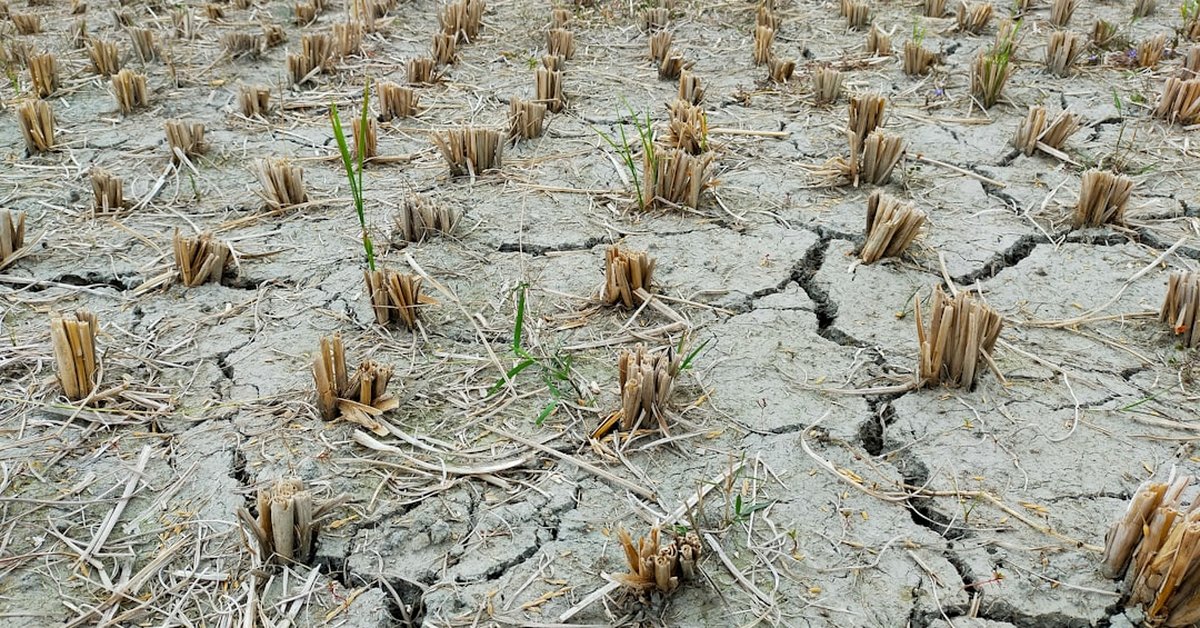
Nobody is talking about this, but parts of the UK are quietly creeping toward a drought that could reshape everything from your Sunday roast to the price of your morning pint. While headlines scream about floods in Spain and wildfires in Canada, central England is in the grip of its longest dry spell in over 30 years. And the question everyone should be asking – when will it rain again – has no easy answer.
The numbers are stark. According to the UK Met Office, the region encompassing central and eastern England has seen less than 10 millimeters of rain in the past five weeks. That’s less than half an inch. For context, the average for this time of year is closer to 60 millimeters. The last time it was this dry for this long was in 1992, when hosepipe bans hit much of the southeast. We’re not there yet. But the trajectory is worrying.
So what does this mean for you? If you live in the affected areas – think the Midlands, East Anglia, and parts of Yorkshire – your water company is already watching reservoir levels like a hawk. And if you’re a farmer, you’re probably staring at parched fields, wondering how to save the autumn cereal crops. The Environment Agency has warned that without significant rainfall in the next two weeks, parts of the region could officially enter drought status. That triggers restrictions: hosepipe bans, limits on non-essential water use, and potential economic fallout for agriculture.
The Science of a Dry Spell
To understand why this is happening, you have to look at the jet stream – that high-altitude river of air that drives weather patterns across the Atlantic. Normally, the jet stream brings a steady procession of low-pressure systems from the west, dumping rain on the UK. But this summer, it’s been parked far to the north, shunting storms toward Iceland and Scandinavia. The result? A stubborn high-pressure system has been sitting over the UK like a lid on a pot. No clouds, no rain, just endless sunshine.
That’s great for a bank holiday weekend, but terrible for the water table. The Met Office’s long-range forecast suggests the pattern could persist for at least another week, with only patchy rainfall expected. “The signal for significant rain is weak,” they noted in their latest update. In plain English: don’t hold your breath.
This isn’t just a meteorological curiosity. It’s a test of the UK’s water infrastructure – and a reminder that even rainy Britain isn’t immune to water scarcity. In 2012, a similar dry spell led to widespread hosepipe bans across southern England. That year, the drought cost the UK economy an estimated £1.3 billion. And that was before climate change made these events more likely.
What This Means for Farms and Gardens
Farmers are on the front line. The National Farmers’ Union (NFU) has reported that soil moisture levels in central England are now below the threshold for crop stress. For wheat and barley, that means smaller yields. For livestock farmers, it means grazing land turning to dust. And for consumers, it means higher prices at the supermarket. The NFU is already lobbying for emergency abstraction licenses – permission to take water from rivers and streams – but those come with environmental costs. Low river levels stress fish populations and harm ecosystems.
Then there’s the garden. If you’ve been watering your lawn, you’re part of the problem. Water companies in the affected regions have reported a 20% spike in domestic water use as people try to keep their gardens alive. But here’s the catch: in many areas, the water supply is already stretched. The reservoirs that serve Birmingham and Nottingham are at 60% capacity, down from the seasonal average of 80%. That’s a lot of empty space.
Ironically, the government’s new billion-pound farm subsidy scheme – designed to support sustainable farming – has been criticized for taking a decade to develop. Farmers say they need help now, not in another ten years. The timing couldn’t be worse.
Historical Parallels: Lessons from 1976
If you want to know where this is heading, look back at 1976. That was the UK’s most famous drought: 16 weeks without significant rain, temperatures hitting 35°C in London, and water rationing so severe that standpipes appeared on street corners. The government appointed a minister for drought, and the army was called in to deliver water to affected communities. It was a national crisis.
We’re not at 1976 levels. Not yet. But the parallels are unsettling. The current dry spell has already lasted longer than the early stages of that legendary drought. And while modern water management is better – we have more reservoirs, better leak detection, and smarter demand management – the population has grown by 10 million since then. More people, same amount of water.
The difference is that 1976 was a freak event. Today, scientists say climate change is making these dry spells more frequent and intense. A study published in the journal Nature Climate Change found that the probability of a summer drought in the UK has increased by 50% since the 1970s. This isn’t a one-off. It’s the new normal.
What Can You Do?
For now, the advice from water companies is simple: use less. Take shorter showers. Fix dripping taps. Use a watering can instead of a hose. It sounds trivial, but if everyone in a region cuts water use by 10%, it can delay the need for a hosepipe ban by weeks. And if you’re in an area that’s already under pressure – like parts of Lincolnshire or Cambridgeshire – check your water company’s website for local alerts.
The bigger picture is about infrastructure. The UK loses an estimated 3 billion liters of water every day to leaks – that’s about 20% of total supply. Fixing those leaks is expensive, but it’s cheaper than dealing with a full-blown drought. The government has pledged £2.9 billion for water infrastructure improvements by 2025, but critics say that’s not enough. The Environment Agency has warned that without major investment, parts of southern England could face water shortages by 2050.
So keep an eye on the sky. And maybe start planning your garden for a drier future. Because the rain will come eventually – it always does. But the question is whether we’ll be ready when it doesn’t.
Frequently Asked Questions
When will the drought end?
The UK Met Office predicts only weak rainfall in the next week, with a chance of more significant precipitation by late October. However, long-range forecasts are uncertain. Historically, autumn storms usually break dry spells, but climate change may delay that pattern.
Will hosepipe bans be enforced?
Hosepipe bans – officially called Temporary Use Bans – are possible if drought conditions are declared. The Environment Agency will make that decision based on reservoir levels and river flows. Several water companies have already asked customers to voluntarily reduce usage.
How does this affect water bills?
Drought conditions can lead to higher water bills in the long term, as water companies invest in additional infrastructure and emergency measures. However, short-term price hikes are unlikely. Check your water company’s website for any announced changes.