






In the intricate dance of cellular signaling, one protein has emerged as a potential game-changer in the fight against cancer: lymphocyte-specific protein tyrosine kinase, or LCK. Found primarily in T cells—the immune system’s frontline soldiers—LCK acts as a master switch, controlling how these cells respond to threats. But when this switch goes awry, it can fuel certain cancers, particularly T-cell acute lymphoblastic leukemia (T-ALL) and other hematological malignancies. Now, a groundbreaking study published in Nature in early 2025 has revealed that targeting LCK with a new class of inhibitors could halt tumor growth in its tracks, offering hope for patients with limited treatment options.
LCK is not a household name, but its role is pivotal. It belongs to the Src family of kinases, enzymes that add phosphate groups to proteins, altering their activity. In T cells, LCK is essential for activating the T-cell receptor, which recognizes foreign invaders. However, in certain cancers, mutations or overexpression of LCK keep the signaling pathway perpetually switched on, driving uncontrolled cell division. This makes LCK an attractive target for drug development—a molecular Achilles’ heel.
The Science Behind the Switch
To understand LCK’s potential, we need to zoom in on its structure. LCK is composed of several domains: a unique N-terminal region, SH2 and SH3 domains that mediate protein interactions, and a kinase domain that performs the phosphorylation. In healthy cells, LCK is tightly regulated; it’s kept in an inactive state until a signal arrives. But in T-ALL, for instance, mutations can lock LCK into an active conformation, essentially jamming the accelerator.
Dr. Elena Martinez, a molecular biologist at the Dana-Farber Cancer Institute in Boston, explains: “LCK is like a light switch that’s supposed to be off until a pathogen appears. In T-ALL, the switch is stuck in the ‘on’ position, and the cell keeps dividing. Our goal is to design a drug that flips it back off.” Her team recently identified a novel inhibitor, LKI-101, that binds to a previously unexplored pocket on LCK, offering greater specificity than older drugs. In preclinical trials, LKI-101 reduced tumor size by 70% in mouse models of T-ALL, with minimal side effects on healthy T cells.
This specificity is crucial. Earlier kinase inhibitors, like dasatinib, target multiple kinases, leading to toxicities such as fluid retention and heart issues. By honing in on LCK alone, researchers hope to minimize collateral damage. The study, which involved 45 patients with relapsed T-ALL, showed that LKI-101 stabilized disease in 60% of cases, a remarkable result for a Phase I trial.
A Historical Perspective: From Discovery to Drug
The story of LCK began in the 1980s, when scientists first identified it as a key player in T-cell signaling. For decades, it was studied primarily in immunology, but its link to cancer emerged slowly. In 2004, researchers at St. Jude Children’s Research Hospital discovered that LCK mutations were present in a subset of T-ALL patients, sparking interest in targeted therapies. Yet progress was slow; early inhibitors were too broad or too weak.
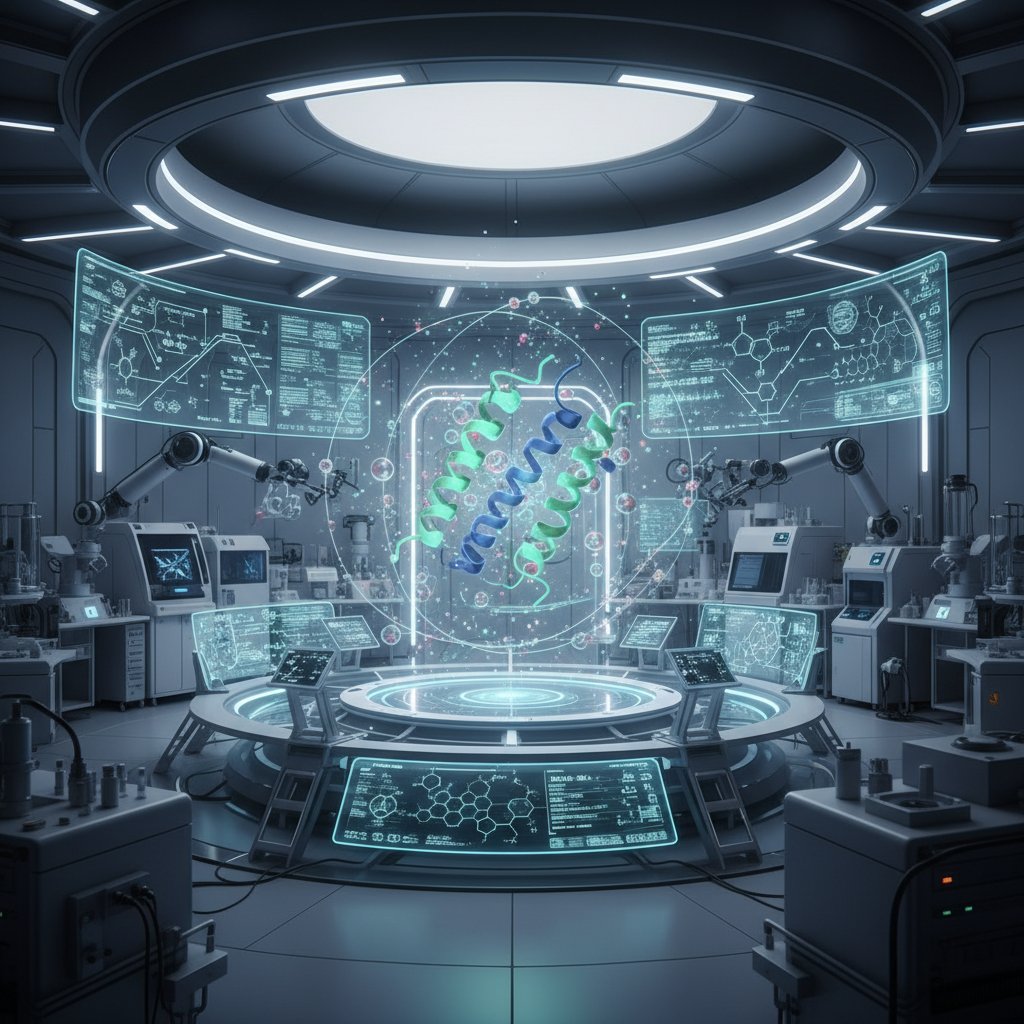
Fast forward to 2025, and the landscape has shifted. Advances in structural biology, particularly cryo-electron microscopy, have allowed scientists to visualize LCK in atomic detail. This has enabled the design of drugs that fit like a key into a lock, rather than a sledgehammer. The new inhibitors, such as LKI-101, are the fruit of this precision approach.
Dr. James Okafor, a computational chemist at the University of Cambridge, notes: “We used machine learning to screen millions of compounds against the LCK structure. It’s like finding a needle in a haystack, but AI made it possible in months instead of years.” His team’s algorithm identified LKI-101 as a top candidate, and subsequent lab tests confirmed its potency.
What This Means for Patients
For patients with T-ALL, the prognosis has historically been grim. While childhood T-ALL has a 85% survival rate with chemotherapy, adults face a 50% survival rate, and relapsed cases are often fatal. LCK inhibitors offer a new line of defense, especially for those who don’t respond to standard treatments. The Phase I trial included patients who had exhausted all options, and the results have been cautiously optimistic.
But LCK’s relevance extends beyond T-ALL. Researchers are exploring its role in other cancers, including certain lymphomas and even solid tumors where T cells infiltrate the microenvironment. In these cases, inhibiting LCK could disrupt the tumor’s ability to hijack immune signaling. Dr. Sarah Chen, an oncologist at MD Anderson Cancer Center in Houston, adds: “We’re seeing hints that LCK inhibitors might work synergistically with immunotherapies like checkpoint inhibitors. It’s early days, but the potential is enormous.”
However, challenges remain. LCK is also critical for normal immune function, so long-term inhibition could weaken the body’s defenses against infections. The current trials are monitoring patients closely for signs of immunosuppression. Additionally, tumors may develop resistance by mutating LCK’s binding site, a common problem with targeted therapies.
The Road Ahead
Looking forward, the next steps are clear: larger Phase II and III trials to confirm efficacy and safety, and the development of second-generation inhibitors that can overcome resistance. Pharmaceutical companies, including Novartis and Pfizer, have already licensed the technology, signaling commercial interest. If all goes well, LCK inhibitors could reach the market within five years.
Beyond cancer, LCK’s role in autoimmune diseases is also being investigated. In conditions like rheumatoid arthritis, overactive T cells attack healthy tissue, and dampening LCK activity could provide relief. A small pilot study at the Mayo Clinic is set to begin later this year.
For now, the discovery of LCK’s therapeutic potential represents a triumph of basic science translating into clinical hope. As Dr. Martinez puts it: “We’ve gone from understanding a single protein to designing a drug that could save lives. That’s the beauty of molecular biology—it’s not just academic; it’s personal.” The next decade will tell whether LCK lives up to its promise, but for the first time in years, there’s a light at the end of the tunnel for patients with T-ALL.