
Qatar vs Switzerland: The Secret AI and Space Race
Qatar and Switzerland are competing in AI and space exploration, investing billions to become tech leaders. How will these small nations reshape the future?










Qatar and Switzerland are competing in AI and space exploration, investing billions to become tech leaders. How will these small nations reshape the future?
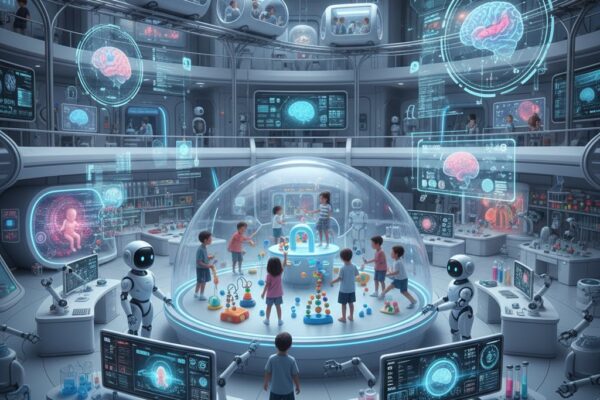
Discover how AI and robotics are reshaping childcare, from smart toys to monitoring systems. A deep dive into the science behind early childhood development and technology.
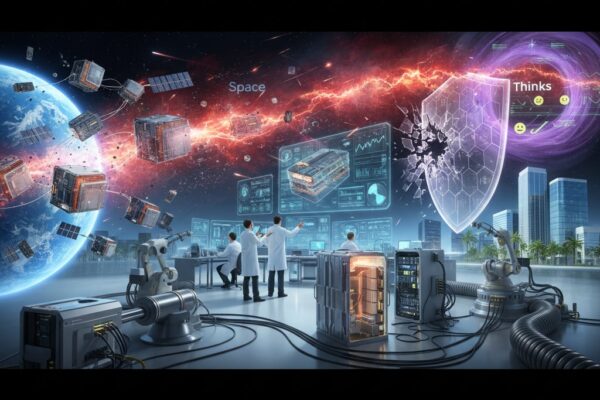
Orbital data centers promise low latency and global access, but radiation, launch costs, and cooling make them far harder than Silicon Valley expects. Here’s why.
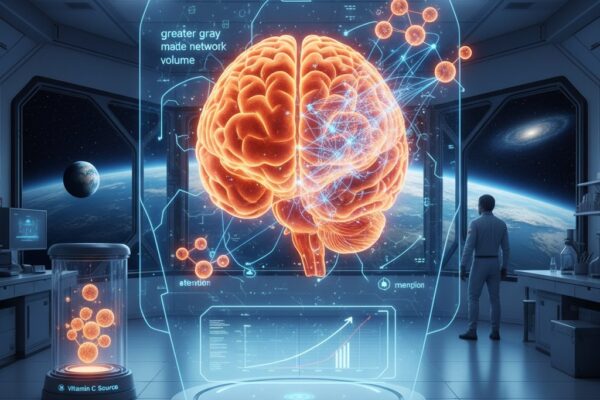
Higher vitamin C linked to greater gray matter volume and stronger default mode network in study of 2,044 adults over 64, suggesting cognitive preservation.
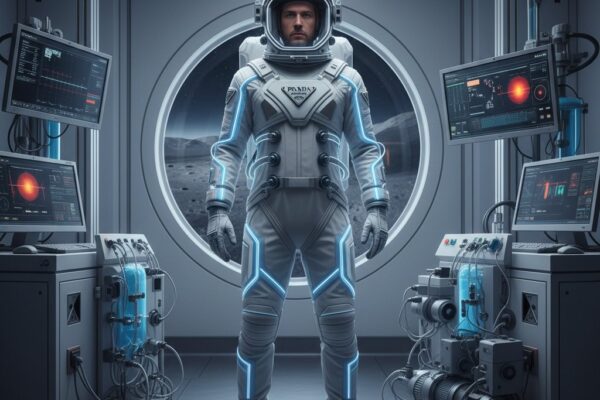
Discover how Prada’s innovative cooling suit helps NASA’s Artemis astronauts withstand extreme lunar temperatures. A collaboration with Axiom Space sets new standards for space fashion and function.
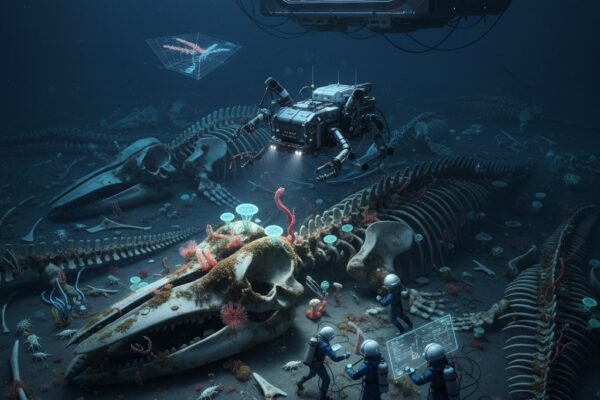
Whale graveyard at 6,000 meters in the Pacific holds 5-million-year-old carcasses supporting a unique ecosystem, with implications for climate and alien life.
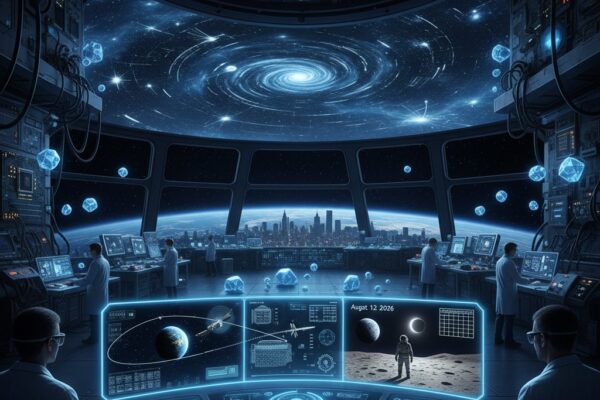
Explore cosmos from browser: ride Voyager 2 past Neptune, stand on Moon, see 2026 eclipse. No sign-up, no ads, no tracking. Free 3D map.
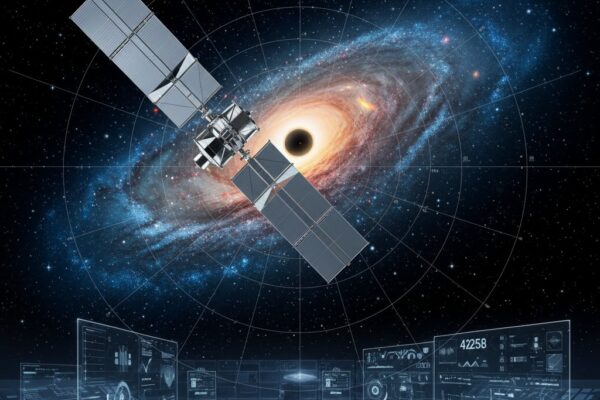
NASA’s Hubble Space Telescope captures stunning image of spiral galaxy NGC 4951, revealing a supermassive black hole at its core and offering insights into galaxy evolution.
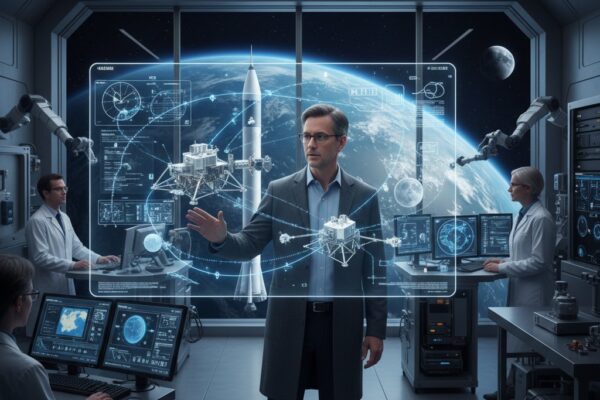
Ars Technica’s Eric Berger reveals exciting new details about NASA’s Artemis III mission, including the landing site, upgraded spacesuits, and groundbreaking science experiments planned for the lunar surface.
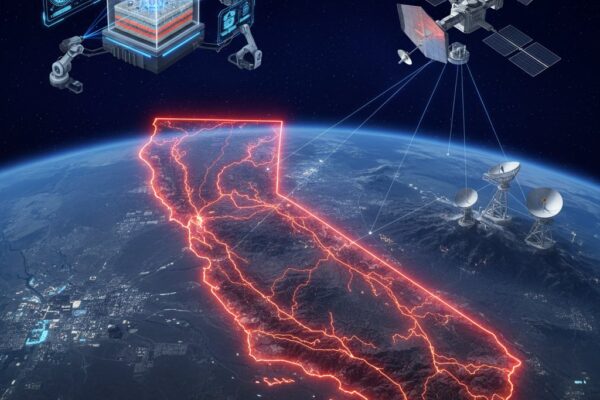
California’s earthquake faults are under their highest stress in 1,000 years, a new study finds. But scientists say this doesn’t mean the ‘Big One’ is imminent—yet.
FCC lifts Amazon’s Project Kuiper satellite deadline, allowing more time to build a second LEO broadband constellation. Competition against Starlink may lower costs and expand global internet access.

As AI approaches autonomous scientific discovery, questions of patent rights and credit emerge. Explore the legal and ethical future of AI-owned knowledge.