







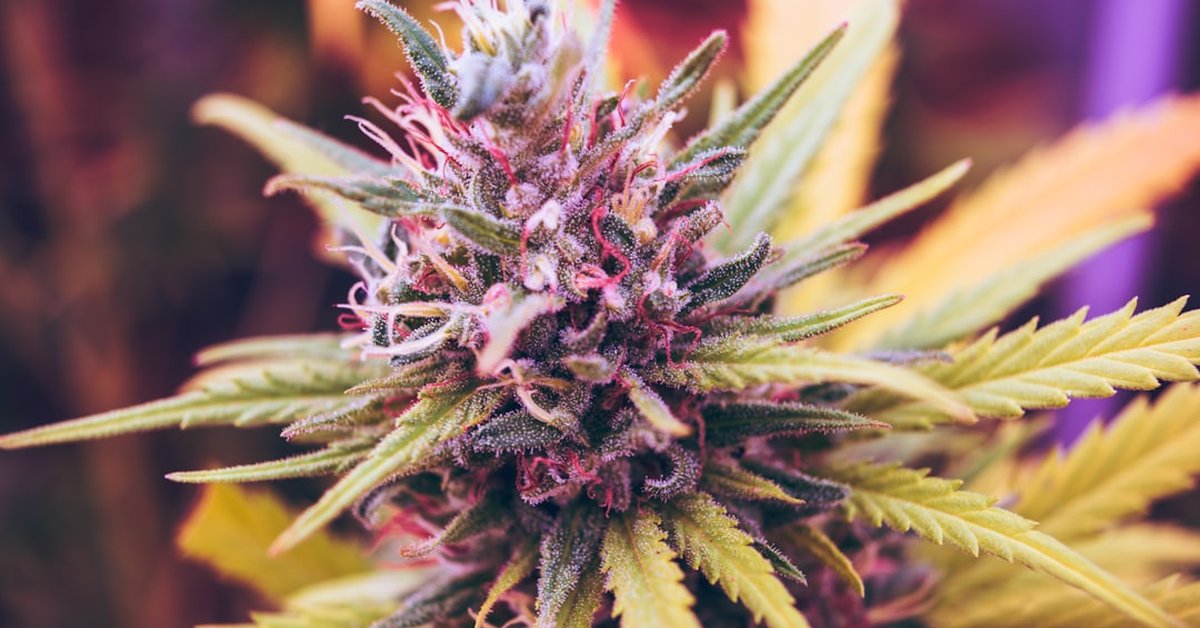
The first time you crack open a jar of premium cannabis, the scent hits you like a freight train — pine, citrus, diesel, maybe a hint of skunk. But what exactly is behind that complex bouquet? And why does the same strain sometimes smell completely different depending on how it was handled after harvest? A growing body of research, combining high-resolution chromatography with human sensory panels, is finally providing answers. It turns out that the aroma of cannabis is not just a matter of genetics; the decisions made during drying, curing, and storage can either amplify or obliterate the subtle notes that connoisseurs prize.
This matters because aroma isn’t just about pleasure. It’s a window into the plant’s chemistry — specifically its profile of terpenes, the volatile organic compounds responsible for scent. And as legal markets expand across North America, understanding how to preserve and predict aroma has become a multi-million-dollar question for growers, processors, and consumers alike.
The Terpene Blueprint: More Than Just Smell
Every cannabis cultivar carries a unique genetic recipe for terpenes. Myrcene, limonene, pinene, caryophyllene — these are the heavy hitters, but researchers have identified over 200 terpenes in cannabis. “Think of it like a fingerprint,” says Dr. Elena Vasquez, a plant chemist at the University of British Columbia. “Two plants with the same cannabinoid content can smell worlds apart because their terpene ratios differ.”
But here’s the twist: those ratios are incredibly fragile. A study published in Frontiers in Plant Science found that up to 40% of total terpene content can be lost during improper drying. Heat is the enemy. So is UV light. And time. The moment a plant is cut, a race begins to capture its volatile signature before it degrades into something generic.
That’s why researchers at institutions like the National Institute of Standards and Technology (NIST) are developing standardized methods for aroma analysis. Using gas chromatography paired with olfactometry — where a human sniffer evaluates each compound as it elutes — scientists can map which terpenes actually contribute to perception. And the results challenge some long-held assumptions.
Drying: The Make-or-Break Stage
Walk into any grow operation and you’ll hear debates about drying time. Some swear by a slow, cool dry over 10–14 days. Others flash-dry at higher temperatures. Which one preserves aroma? A 2023 study from the University of Guelph put it to the test. “We compared three drying regimes: slow at 15°C, moderate at 20°C, and fast at 30°C,” explains Dr. Mark Chen, lead author of the study. “The slow-dried samples retained nearly 80% more monoterpenes than the fast-dried ones.”
Monoterpenes — like limonene and myrcene — are the most volatile and also the most aromatic. They’re responsible for the bright, citrusy, and earthy notes. When dried too quickly, these compounds literally evaporate before they can be locked in. The result? A flat, hay-like smell that disappoints consumers who paid a premium for a “loud” strain.
But it’s not just about temperature. Humidity matters too. If the environment is too dry, trichomes — the resin glands that hold terpenes — can shatter. Too humid, and mold takes hold, producing off-notes that no one wants. The sweet spot, according to industry best practices, is around 60% relative humidity at 15–18°C for the first week, then a gradual drop to 55%.
(Ever wondered why your home-dried homegrown never smells like the dispensary stuff? That’s probably why.)
Storage and Curing: The Long Game
Even after optimal drying, the story isn’t over. Curing — the controlled aging of cannabis in sealed containers — can further refine aroma. During curing, residual moisture allows enzymes to break down chlorophyll, reducing grassy notes. Terpenes also undergo subtle transformations, often becoming more rounded and complex.
“Curing is like aging wine,” says Dr. Vasquez. “You’re not creating new compounds, but you’re allowing the existing ones to harmonize. Done right, it can elevate a good cultivar to a great one.”
But there’s a catch. Curing also exposes cannabis to oxygen, which can oxidize terpenes into less fragrant compounds. The balance between beneficial aging and oxidative loss is delicate. Many commercial producers now use nitrogen-flushed packaging to minimize oxygen exposure after curing. And for consumers, storing cannabis in airtight glass jars in a cool, dark place — never the fridge — is the simplest way to extend shelf life.
Interestingly, the method of consumption also interacts with aroma perception. Vaporizing at lower temperatures (around 180°C) releases more monoterpenes than smoking, which combusts many volatiles. So the same cured flower can smell vastly different depending on how you use it. This is why sensory panels are crucial: they test not just raw aroma but also the experience during and after consumption.
What This Means for the Future of Cannabis
As the legal industry matures, the demand for consistent, high-quality aroma is growing. Some breeders are now selecting cultivars specifically for terpene stability during drying — a trait that hasn’t traditionally been prioritized. “We’re moving beyond just THC percentage,” notes Dr. Chen. “Consumers are becoming more sophisticated. They want a predictable sensory experience, and that means controlling the whole post-harvest chain.”
Regulators are also taking notice. In Canada, Health Canada has proposed aroma standards for certain product categories. In the U.S., state-level testing labs are increasingly including terpene profiles in their mandatory analyses. The FDA has also issued guidance on labeling for cannabis-derived compounds, though full federal regulation remains a political question.
And while this research focuses on cannabis, the principles apply broadly. The same chromatographic techniques used to map cannabis terpenes have been employed to study the aroma of hops, coffee, and wine. In fact, the technology — known as comprehensive two-dimensional gas chromatography — was originally developed for petrochemicals. It’s now being used to detect trace compounds in everything from truffles to spacecraft. Speaking of which, the same analytical rigor that helped the Euclid Telescope detect ancient quasars is now helping us understand why your favorite strain smells like grapefruit. Science works in mysterious ways.
Looking ahead, expect to see more at-home terpene testing kits, online databases linking specific drying protocols to aroma outcomes, and perhaps even AI-driven recommendations for curing schedules. The days of guessing are over. For growers, processors, and enthusiasts alike, the message is clear: aroma is not an accident. It’s an engineering challenge — and one we’re finally learning to solve.
Frequently Asked Questions
Why do some cannabis strains smell like fruit while others smell like diesel?
That difference is largely due to the relative abundance of specific terpenes. Fruity aromas typically come from limonene (citrus) and myrcene (mango/earthy), while diesel and skunk notes are associated with volatile sulfur compounds and terpenes like caryophyllene oxide. The genetic blueprint of each cultivar determines the baseline, but post-harvest handling can amplify or mute these notes significantly.
Does the drying method affect cannabinoids like THC or CBD?
Yes, but less dramatically than it affects terpenes. Cannabinoids are more stable than terpenes under heat and oxidative stress. However, very high drying temperatures (above 30°C) can cause some decarboxylation of THCA into THC, and prolonged exposure to UV light can degrade cannabinoids. The primary impact of drying on potency is indirect: if you lose terpenes, you also lose the synergistic “entourage effect” that enhances cannabinoid perception.
How can I preserve the aroma of my cannabis at home?
Store your cannabis in airtight, UV-protective glass jars in a cool (15–20°C), dark place. Avoid plastic bags or containers, which can impart off-flavors and allow terpenes to escape. If you live in a dry climate, consider adding a humidity pack (62% RH) to prevent trichomes from becoming brittle. And resist the urge to open the jar frequently — each opening introduces fresh oxygen and lets volatiles escape.